
TradeDeal – Kharge Warns Parliament on Risks of India-US Trade Understanding
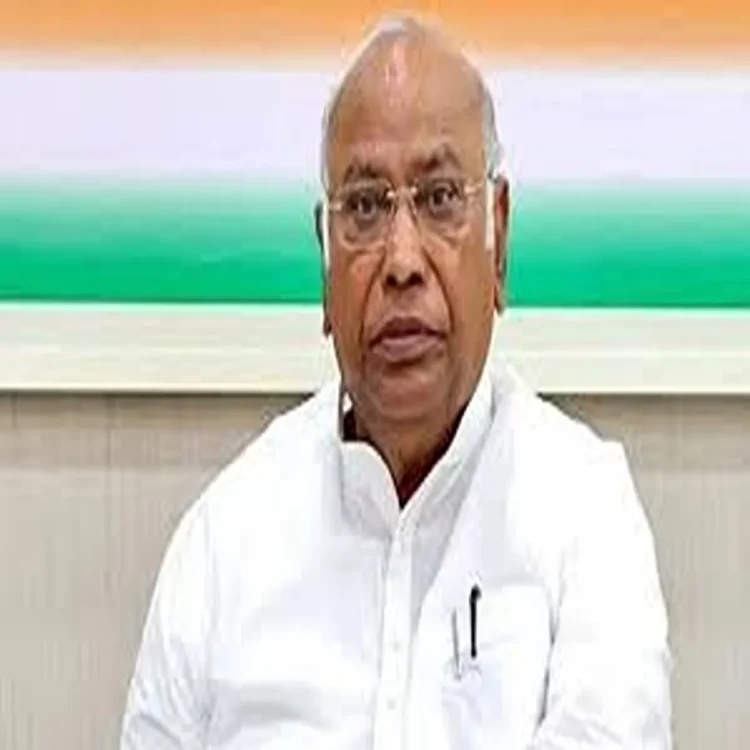
TradeDeal – he Leader of Opposition in the Rajya Sabha, Mallikarjun Kharge, delivered a forceful critique of the Union government on Wednesday during the debate on the Motion of Thanks to the President’s address, raising serious concerns over the recently announced India-United States trade arrangement. He argued that the agreement could undermine national interests and place India’s farming community at a disadvantage.
Concerns Over Impact on Indian Farmers
Kharge cautioned that the proposed trade understanding would expose Indian farmers to direct competition with their American counterparts, who benefit from large-scale subsidies and advanced infrastructure. According to him, such an uneven playing field could threaten rural livelihoods across the country. He warned the government that discontent among farmers could resurface if their concerns were ignored, suggesting that earlier mass protests might repeat if corrective steps were not taken.
He stated that opening domestic markets to agricultural imports from the United States, alongside reciprocal tariff reductions, could weaken India’s agricultural sector rather than strengthen it. In his view, the consequences would be felt most sharply by small and marginal farmers already coping with rising input costs and uncertain incomes.
Questions on Sovereignty and Global Standing
During his address, Kharge also questioned India’s position in global affairs, suggesting that the trade negotiations reflected an imbalance in decision-making power. He expressed unease over what he described as external influence on domestic policy choices and asked how such developments aligned with India’s long-standing emphasis on strategic autonomy.
He described the government’s defence of the agreement as difficult to justify, remarking that even a strong argument could not overcome what he portrayed as fundamental weaknesses in the deal itself.
Criticism of President’s Address and Policy Gaps
Kharge criticised the President’s address for omitting several pressing issues, saying it failed to acknowledge challenges facing the country. He listed social justice, communal harmony, pressure on constitutional institutions, economic stress, rural hardship, labour issues, and foreign policy concerns as areas that deserved greater attention in Parliament.
According to him, the address missed an opportunity to provide clarity on how the government planned to address widening inequalities and economic uncertainty affecting large sections of the population.
Focus on Social Justice and Gender Representation
Turning to social justice, Kharge argued that progress in this area had weakened under the current administration. He accused the ruling Bharatiya Janata Party of viewing women primarily as an electoral constituency rather than partners in governance. He questioned why promised measures, including legislative reservations for women, had not yet been implemented.
He further pointed to the absence of women in senior leadership roles within organisations aligned with the ruling party’s ideology, describing it as evidence of a broader failure to prioritise gender equality in political decision-making.
Details of the Trade Understanding
Much of Kharge’s intervention centred on parliamentary tensions surrounding the India-US trade arrangement, which was publicly disclosed after a conversation between Prime Minister Narendra Modi and US President Donald Trump. The outline of the agreement includes a proposed reduction in American tariffs on Indian goods, commitments from India to lower trade barriers on select US products, increased imports of American energy and agricultural commodities, and indications of reduced reliance on Russian oil.
The government has maintained that discussions are ongoing and that final terms have yet to be concluded.
Government Response and Ongoing Debate
Union Commerce Minister Piyush Goyal has defended the proposed agreement in both Houses of Parliament, stating that India’s core interests, including agriculture and dairy, would be safeguarded. He has emphasised that negotiations remain in progress and that any final deal would reflect national priorities.
Kharge’s remarks highlighted broader anxieties over economic independence, rural stability, and social equity, setting the tone for continued debate during the Budget session. With differing views sharply articulated, the trade agreement is likely to remain a focal point of parliamentary discussion in the days ahead.