
Tourism – Tibetan Administration Renews Dialogue Push Amid China Tensions
Tourism – Penpa Tsering began his second term as the head of the Central Tibetan Administration on Tuesday in Dharamshala, reaffirming his government’s commitment to pursuing peaceful dialogue with China while raising concerns over what he described as increasing pressure on Tibetan identity and culture.
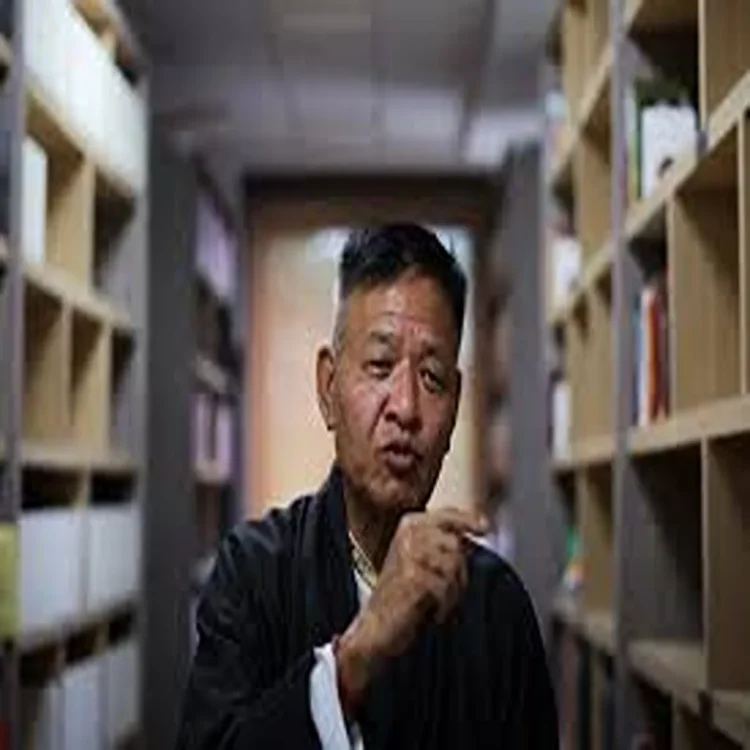
The oath-taking ceremony drew members of the Tibetan exile community, senior officials and international supporters, along with the presence of the 14th Dalai Lama. Tsering, who continues as Sikyong, used his inaugural address to outline the administration’s political priorities and its long-term strategy regarding the Tibet-China issue.
Administration Reaffirms Commitment to Middle Way Policy
During his address, Tsering said the Central Tibetan Administration would continue following the Dalai Lama’s “Middle Way Policy,” which advocates resolving the Tibet-China dispute through non-violent dialogue and mutual understanding rather than confrontation.
He acknowledged that diplomatic engagement with Beijing remains difficult under current circumstances, but stressed that the administration would continue maintaining communication channels with caution and patience. According to him, the Tibetan leadership remains focused on seeking a lasting and peaceful solution through discussions rather than conflict.
Tsering also said his administration would strengthen efforts to build wider international awareness and support for the Tibetan cause. He described the continuation of the Middle Way approach as essential for ensuring long-term stability and preserving Tibetan identity.
Concerns Raised Over Cultural and Religious Policies
A major part of Tsering’s speech focused on what he called systematic attempts to weaken Tibetan cultural traditions, language and religious practices. He accused Chinese authorities of implementing policies that threaten Tibet’s historical and cultural identity.
According to the Tibetan leader, preserving language and cultural traditions among younger generations has become increasingly important. He urged Tibetans, particularly families living inside Tibet, to continue teaching children about Tibetan heritage, religion and values at home.
Tsering argued that despite political pressures, Tibetans continue to maintain a strong emotional and spiritual connection with their homeland. He said this bond has remained intact across generations and continues to shape the identity of Tibetan communities worldwide.
International Support Highlighted in Address
Referring to global developments, Tsering mentioned recent legislation in the United States related to Tibet. He pointed to laws that support the Tibetan community and oppose interference in the future recognition of the Dalai Lama’s reincarnation.
He also referred to international discussions surrounding Tibet’s political status and the need for peaceful resolution under international law. According to Tsering, misinformation and competing narratives surrounding Tibet remain a major challenge for the Tibetan movement.
The Tibetan administration, he said, plans to continue presenting what it considers factual information to governments, institutions and global audiences in an effort to strengthen international backing.
Appeal for Greater Global Advocacy
Tsering called on Tibet support groups, activists and international organisations to raise awareness about Tibet-related concerns in national and international forums. He said coordinated advocacy efforts would play an important role in drawing global attention to issues affecting Tibetans.
He further alleged that attempts had been made to create divisions among Tibetan exile communities and support networks. According to him, maintaining unity within the Tibetan movement remains important for sustaining long-term political and cultural efforts.
The Tibetan leader also addressed concerns surrounding the future succession process of the Dalai Lama. He suggested that external attempts to influence the reincarnation process have become a growing concern for Tibetans both inside Tibet and in exile communities abroad.
Ceremony Held in Dharamshala
The swearing-in ceremony took place at the headquarters of the Central Tibetan Administration in Dharamshala, a town that has served as the base of the Tibetan government-in-exile for decades. Community leaders, officials and supporters attended the event as the administration formally began its new term.
Tsering concluded his speech by encouraging Tibetans worldwide to remain connected to their traditions and continue supporting peaceful efforts aimed at resolving the long-standing Tibet-China dispute.