
Tourism – Madhya Pradesh and Uttar Pradesh Sign Key MoUs in Varanasi
Tourism – The governments of Madhya Pradesh and Uttar Pradesh have entered into two important agreements aimed at strengthening religious tourism systems and boosting regional economic initiatives.
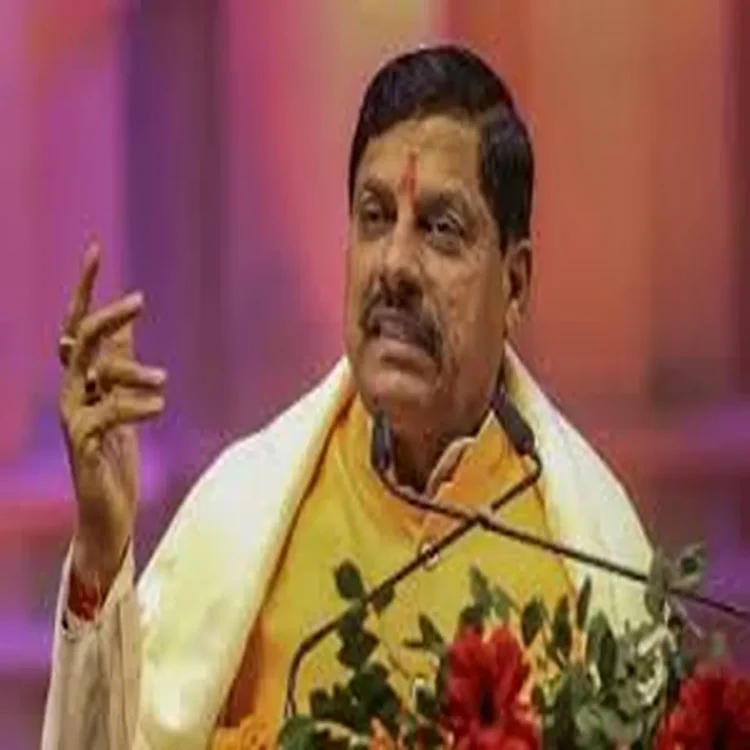
In a significant development on Tuesday, the administrations of two BJP-governed states—Madhya Pradesh and Uttar Pradesh—formalised two memorandums of understanding in Varanasi, the parliamentary constituency of Prime Minister Narendra Modi. The agreements reflect a shared effort to improve temple administration and expand economic cooperation between the two states.
Focus on Temple Management Collaboration
The first agreement was signed between the authorities managing two of India’s most revered Jyotirlinga shrines—Kashi Vishwanath Temple in Varanasi and Mahakaleshwar Temple in Ujjain. This partnership is expected to facilitate the exchange of administrative practices, particularly in managing large volumes of pilgrims.
Officials indicated that the arrangement would allow Ujjain’s Mahakaleshwar Temple to adopt Varanasi’s well-established crowd management systems. These systems have gained attention for ensuring smoother access for devotees, especially during peak seasons. Madhya Pradesh Chief Minister Mohan Yadav emphasised that the collaboration is primarily aimed at improving facilities and overall convenience for visitors.
Preparing for Simhastha 2028
During his visit to the Kashi Vishwanath Temple Corridor, Yadav reviewed operational systems and held discussions with members of the temple trust. A detailed presentation on crowd handling and pilgrim services was also shared with him.
The Madhya Pradesh government views these insights as crucial for preparations related to Simhastha 2028, which will take place in Ujjain. The large-scale religious gathering is expected to draw millions of devotees, making efficient management systems essential. Authorities believe that adopting proven methods from Varanasi will help ensure better planning and accessibility during the event.
Beyond Ujjain, officials also see potential benefits for other prominent religious sites across Madhya Pradesh, where similar systems could be implemented to improve visitor experiences.
Economic Cooperation Through ODOP and GI
The second memorandum of understanding focuses on economic collaboration, particularly in the areas of One District One Product (ODOP) and Geographical Indication (GI) certifications. Uttar Pradesh has emerged as a leading state in promoting ODOP initiatives and securing GI tags for its unique regional products.
Through this agreement, both states aim to share expertise and build a structured framework that supports local industries. The initiative is expected to help artisans, small manufacturers, and traditional industries gain wider recognition and improved market access.
Officials highlighted that Uttar Pradesh’s experience in implementing ODOP has led to substantial growth in exports. Before the programme was introduced, the state’s exports were valued at over ₹88,000 crore in 2017. By 2024, this figure had risen to more than ₹1.86 lakh crore annually, demonstrating the impact of targeted policy support.
Strengthening Cultural and Economic Ties
Together, the two agreements underline a broader effort to deepen cooperation between Madhya Pradesh and Uttar Pradesh in both cultural and economic sectors. While the temple management partnership focuses on enhancing the experience of millions of pilgrims, the economic framework aims to support local industries and promote traditional products on a larger scale.
Officials from both states expressed confidence that these initiatives will deliver long-term benefits, not only for religious tourism but also for regional development and employment generation. The collaboration is also seen as a step toward sharing successful governance models across states.
As both agreements begin to take shape, their implementation will be closely watched, particularly in the lead-up to major events like Simhastha 2028 and in the continued expansion of export-driven initiatives.