
Tourism – Ladakh to Host Historic Public Display of Sacred Buddha Relics
Tourism – The upcoming public exhibition of the revered Piprahwa relics in Ladakh is being seen as a moment of deep cultural and spiritual importance. More than a ceremonial gathering, the event is expected to bring communities together, reinforce Buddhist traditions, and highlight India’s role in the global Buddhist landscape.
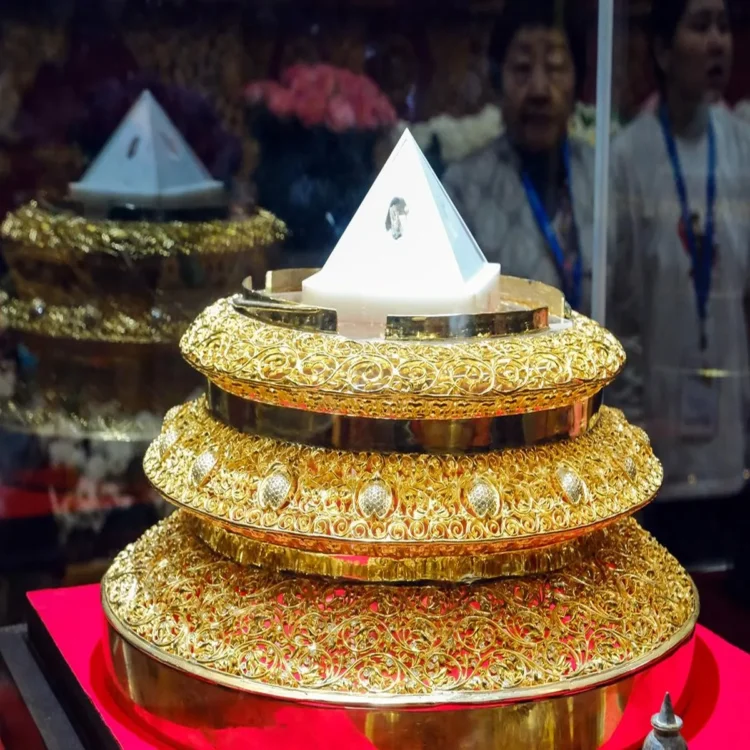
A Rare Spiritual Occasion for the Region
Set to begin in early May, the exhibition will mark the first time these sacred relics are widely accessible in Ladakh. The relics, linked to the Buddha’s Shakya lineage, hold immense religious significance. Their presence in the region is expected to draw devotees, scholars, and visitors, offering a unique opportunity for collective reflection and cultural renewal.
Strengthening Community Bonds
Ladakh has long maintained a strong connection to Buddhist practices, with monasteries and local institutions shaping everyday life. Organizations such as the Ladakh Buddhist Association have played a vital role in preserving traditions and encouraging social harmony. The arrival of the relics is likely to deepen these connections by bringing together villages, religious groups, and community organizations in shared participation.
Public gatherings centered on sacred relics often go beyond devotion. They create spaces where people engage in dialogue, exchange knowledge, and strengthen social ties. In a region experiencing rapid change due to modernization and tourism, such moments can help reinforce stability and shared identity.
Cultural Continuity and Historical Significance
The return and public display of the Piprahwa relics after more than a century is seen as an important step in restoring cultural heritage. Their reunification after 127 years has been widely acknowledged as a landmark event for the global Buddhist community. For Ladakh, where identity is closely linked to history and sacred traditions, this carries strong symbolic value.
National Participation and Shared Heritage
The event has generated interest across Buddhist communities in India. Monks, scholars, and followers from regions including Himachal Pradesh, Maharashtra, and the Northeast are expected to attend. This broad participation highlights a growing sense of unity among Buddhist groups nationwide.
Such gatherings also provide an opportunity for discussions on key issues such as preserving traditions, engaging younger generations, and promoting sustainable development. The event is increasingly being viewed not just as a regional celebration, but as a significant national milestone.
Reviving Ladakh’s Historical Role
Historically, Ladakh served as a cultural link between India, Central Asia, and Tibet. It was a route through which ideas, art, and religious teachings traveled. The arrival of the relics symbolically reconnects the region with this legacy.
In today’s context, this role gains added importance. Countries such as Sri Lanka, Thailand, Myanmar, Japan, and South Korea share deep ties with Buddhism’s origins in India. Events like this often attract international visitors, strengthening cultural and diplomatic relationships.
Boost to Tourism and Local Economy
The exhibition is also expected to support Ladakh’s tourism sector. Religious tourism centered on sacred sites has proven to generate employment and encourage infrastructure development in many regions. Increased visitor numbers could benefit local businesses, including guides, artisans, and hospitality providers.
Traditional crafts such as thangka painting and handwoven textiles may see renewed interest, while cultural activities like monastery tours and storytelling can enhance visitor experiences. Improved facilities developed for the event are likely to benefit both tourists and residents in the long term.
Inspiring the Younger Generation
Beyond economic and cultural gains, the event may have a lasting impact on Ladakh’s youth. Exposure to such a significant spiritual occasion can strengthen their connection to heritage and foster a sense of pride in local traditions.
Educational institutions and community groups may use the opportunity to organize programs that deepen understanding of history and culture. This can help young people balance modern influences with a strong sense of identity.
A Step Forward in Cultural Diplomacy
The exhibition also reflects India’s broader efforts to strengthen cultural ties through Buddhism. By hosting the event in Ladakh, the country highlights the region as an important center for international Buddhist engagement.
In the long run, the significance of the Piprahwa relic exhibition lies in its ability to bring people together. It offers a chance to strengthen social bonds, preserve traditions, and create opportunities for future generations while reinforcing Ladakh’s place in the wider Buddhist world.,