
TempleVerdict – Bhojshala Worship Rights Restored After High Court Decision
TempleVerdict – The Bhojshala-Kamal Maula complex in Madhya Pradesh’s Dhar district witnessed a large gathering of devotees on Saturday after the Indore Bench of the Madhya Pradesh High Court ruled that the site is a temple linked to Raja Bhoj and permitted the Hindu community to perform worship there. Following the judgment, several devotees entered the premises and offered prayers, calling the development a significant moment after years of legal proceedings and administrative restrictions.
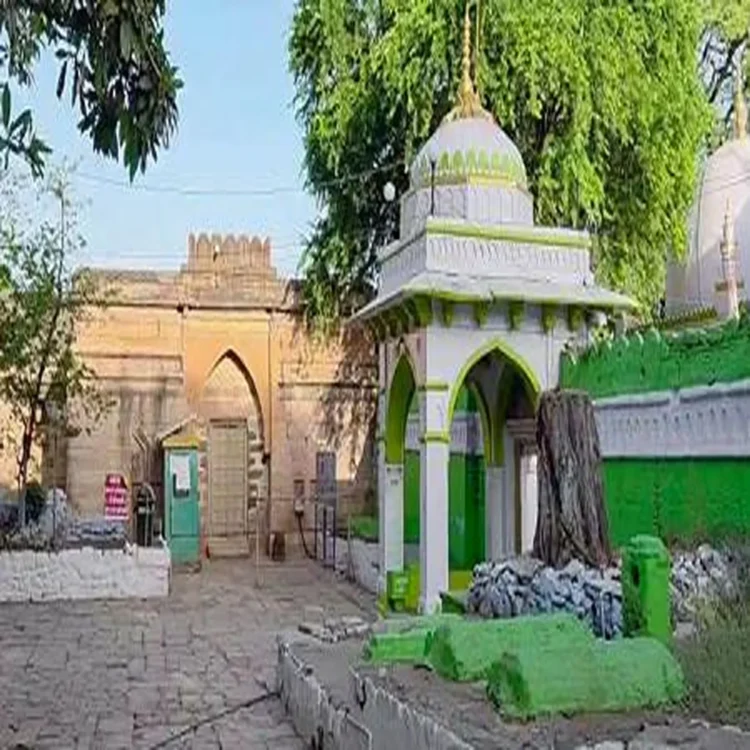
Devotees Arrive at Bhojshala Following Court Decision
Soon after the court order became public, worshippers gathered inside the Bhojshala complex to participate in prayers. Many visitors described the occasion as emotional, saying they were finally able to perform religious rituals without obstacles. Some devotees stated that they planned to visit the site regularly in the coming days.
The atmosphere around the complex remained peaceful as people arrived to offer prayers and observe the developments linked to the court’s ruling. Local authorities also maintained supervision in and around the premises to ensure normal movement and security arrangements.
High Court Recognises Historical Character of the Site
The Madhya Pradesh High Court delivered its judgment on Friday, granting the Hindu side the right to worship at the disputed Bhojshala-Kamal Maula complex. The court also recognised the site as historically associated with Raja Bhoj and linked its origins to the Bhoj-Parmar dynasty.
According to submissions discussed after the ruling, the court observed that the disputed structure was originally a temple dedicated to Goddess Vagdevi, also revered as Goddess Saraswati. The decision reportedly modified earlier administrative arrangements that had governed religious practices at the site for several years.
ASI to Continue Supervising the Protected Monument
Advocate Aviral Vikas Khare, representing the Archaeological Survey of India (ASI), explained that the court reaffirmed the monument’s protected status under existing heritage laws. He noted that the Bhojshala complex has remained a protected monument since 1904 and that its management and regulation will continue under the ASI’s authority.
The court clarified that despite changes related to worship rights, the overall administration and preservation responsibilities would remain with the ASI. Officials are expected to continue monitoring the site to maintain its historical and archaeological significance.
Earlier Arrangement on Religious Practices Modified
For years, religious activities at the Bhojshala complex had been conducted under a shared arrangement supervised by the ASI. Under an earlier order issued in 2003, the Muslim community had been permitted to offer Friday prayers at the site during a specified time period, while Hindu devotees performed worship on other occasions.
Following the latest verdict, the court modified aspects of that earlier order after determining the historical character of the structure. Legal representatives associated with the Hindu side stated that the ruling marks a major development in the long-running dispute surrounding the site.
Hindu Side Calls Judgment Historic
Advocate Vishnu Shankar Jain, appearing for the Hindu side, described the High Court decision as historic while addressing media persons after the verdict. He said the court had partially set aside the ASI order issued on April 7, 2003, and formally granted the Hindu community the right to worship inside the complex.
Jain also mentioned that the court considered issues related to the idol associated with the temple tradition, which is currently housed in a museum in London. Discussions regarding its possible return have remained part of the broader legal and cultural debate connected to Bhojshala.
Matter May Reach the Supreme Court
Within hours of the High Court ruling, two caveat petitions were reportedly filed in the Supreme Court. The petitions were moved in anticipation that parties from the Muslim side may challenge the judgment before the apex court.
Legal experts believe the matter could witness further hearings if an appeal is submitted. Until then, the latest High Court order is expected to guide the administration and religious activities at the disputed complex in Dhar district.