
Security – Government Signals Decisive End to Maoist Insurgency Nationwide
Security – March 31, 2026, marked more than the close of a financial year—it stood as a target date set by the government to bring an end to the Naxal insurgency. As that deadline passed, the Centre indicated that the country’s long-running fight against Left-Wing Extremism had entered its final phase, with only limited operations still underway.
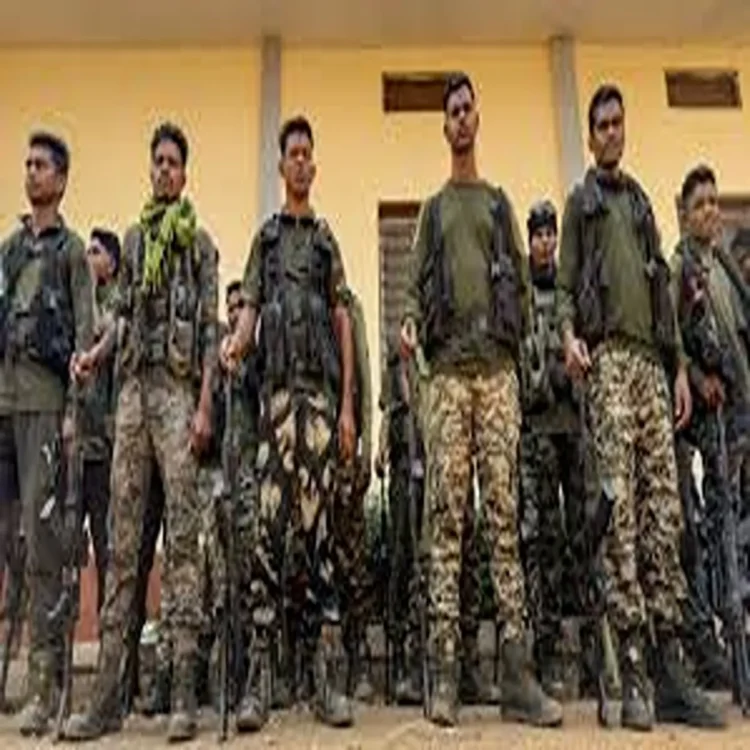
Government Declares Major Breakthrough
Addressing Parliament, Union Home Minister Amit Shah stated that Maoist activity had been reduced to a negligible level, with an official conclusion expected after remaining operations are completed. Officials from the Ministry of Home Affairs explained that the strategy has now shifted from active combat to maintaining stability in previously affected regions through coordinated governance and security measures.
Leadership Structure Dismantled
Over recent years, security forces have systematically weakened the insurgent network through intelligence-led missions. Several prominent figures, including Madvi Hidma and Nambala Keshava Rao (also known as Basavaraju), have been neutralised. Others, such as Tippiri Tirupati and Papa Rao, have surrendered. Meanwhile, senior ideologue Ganapathi is believed to have left the country, and strategist Misir Besra is reportedly in hiding.
The once-feared “Red Corridor,” which aimed to stretch across large parts of India, has effectively collapsed. Areas like Abujhmad, long considered inaccessible strongholds, have been brought back under administrative control in a relatively short period.
Numbers Reflect Sharp Decline
Authorities estimate that the number of armed cadres, once numbering over 6,500, has now dropped drastically, nearing elimination. In the past year alone, more than 20 senior members of the Maoist leadership have either been killed or surrendered. Only a handful remain unaccounted for, with security agencies closely tracking their movements.
Development and Connectivity Drive Change
Officials attribute the success not only to security operations but also to sustained development efforts. Nearly 15,000 kilometres of roads have been built in remote areas, alongside the installation of more than 9,000 mobile towers. These initiatives have improved accessibility, strengthened governance, and reduced the isolation that once enabled insurgent activity.
Additionally, 31 districts have been identified for focused development, aiming to ensure long-term stability and economic inclusion.
Experts Urge Continued Vigilance
Security experts caution that while armed resistance has weakened, the ideological roots of the movement may still persist. Former internal security officials have recommended a multi-layered approach, including neutralising remaining leaders, dismantling residual networks, countering extremist narratives, and accelerating inclusive development.
Final Operations Continue in Jharkhand
Jharkhand remains one of the last regions witnessing active operations. Security forces are concentrating on forested areas such as Saranda in Chaibasa, where Misir Besra is believed to be hiding with a small group of cadres.
Police estimate that fewer than 50 insurgents remain active, largely confined to difficult terrain with hidden explosive devices. Alongside combing operations, authorities are engaging families of insurgents to encourage voluntary surrender under rehabilitation policies.
Chhattisgarh Declares Milestone Achievement
Chhattisgarh, once the centre of Maoist violence, has announced that it is now free from armed insurgents. This transformation follows years of coordinated operations, improved intelligence sharing, and parallel development programmes.
Between early 2024 and March 2026, hundreds of insurgents were eliminated, thousands surrendered, and a significant cache of weapons and explosives was recovered. In the Bastar region, security forces have extended their presence into villages that were previously inaccessible, symbolising the restoration of administrative control.
Telangana and Maharashtra Show Positive Outcomes
Telangana has emerged as a successful example of rehabilitation-focused strategy. State authorities report that most Maoists from the region have surrendered and reintegrated into society over the past two years.
In Maharashtra, the insurgency has nearly disappeared, particularly in Gadchiroli district. Specialised units such as the C-60 commandos, along with community engagement involving tribal youth, have played a key role in reducing recruitment and strengthening intelligence networks.
Transition from Conflict to Stability
With the collapse of key leadership and shrinking operational capacity, the Maoist movement has reached a critical turning point. The government now faces the challenge of ensuring that peace is sustained through governance, development, and continued vigilance.