
Security – Fake Entry Pass Racket Exposed Inside Mumbai Vidhan Bhavan
Security – A serious lapse in security arrangements has come to light during the recent budget session in Mumbai, after authorities uncovered the use of forged entry passes to access the Vidhan Bhavan premises. The Marine Drive Police have detained five individuals, including staff linked to government offices, for their alleged role in creating and distributing counterfeit passes. The issue first surfaced when concerns were raised about suspicious documents being used for entry, prompting a closer examination of the system.
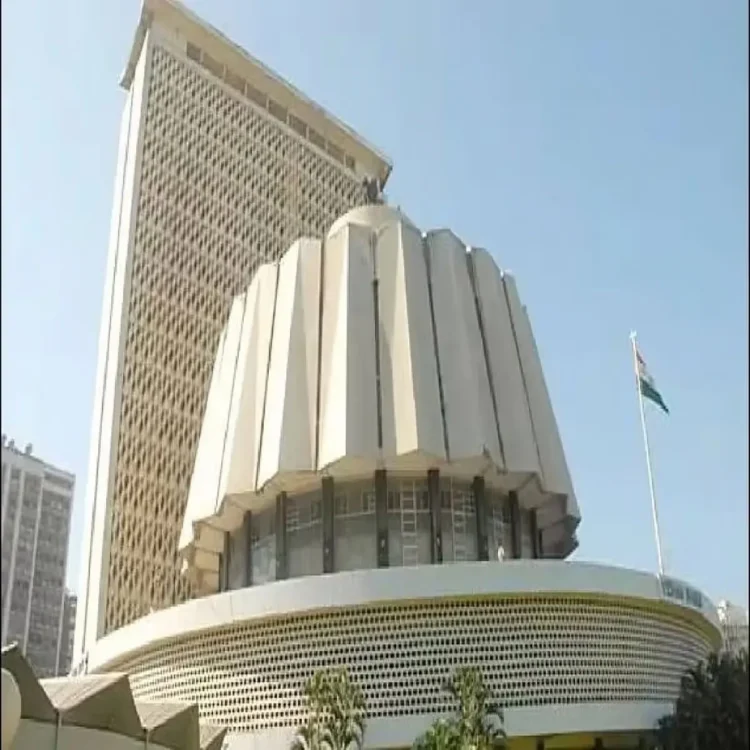
Fake Documents Used to Generate Unauthorized Passes
Preliminary findings indicate that forged requisition letters were prepared using the name of the Maharashtra Industrial Development Corporation. These documents were then reportedly used to obtain nearly 30 unauthorized entry passes. The discovery has raised serious questions about how such documents were approved and circulated without detection within a high-security administrative zone.
Network of Insiders Suspected in the Operation
Investigators believe the operation was not carried out by a single individual but involved coordinated efforts among clerks and support staff working in government offices. Authorities suspect that these individuals collaborated with an external contact to exploit weaknesses in the pass issuance system. The accused have been identified as Dattatraya Keshav Gunjal, Ganpat Bhau Jawale, Nagesh Shivaji Patil, Manoj Ananda Morbale, and Swapnil Ramesh Tayde.
In addition, two other employees from Mantralaya—Mahesh Dumpalwar and Lavesh Shankar Nakate—are currently absconding. Police teams are actively working to trace their whereabouts. Officials believe the group operated in an organized manner, leveraging internal access and procedural gaps to facilitate the scheme.
Financial Motive Behind the Fraudulent Activity
Authorities have revealed that the fake entry passes were allegedly sold for amounts ranging between Rs 2,000 and Rs 5,000. This indicates that the operation was driven by financial gain rather than isolated misconduct. In one notable instance, Gunjal is said to have created a pass describing himself as an advisor to the Chief Minister’s Office. The pass reportedly included his photograph along with a counterfeit Mantralaya stamp, making it appear authentic.
Such details have intensified concerns among officials, who believe that insider involvement played a crucial role in enabling the breach. The scale and sophistication of the operation suggest that it may have gone unnoticed for some time before being flagged.
Investigation Expands as Authorities Probe Wider Links
All five arrested individuals were taken into custody on March 25, and their mobile phones have been seized for forensic analysis. Investigators are now examining digital evidence to identify others who may have used these forged passes to gain entry into the Vidhan Bhavan complex.
As part of the ongoing inquiry, a constable from the Local Arms unit has also been questioned. Authorities are exploring whether additional personnel may have been aware of or indirectly involved in the operation. Special teams have been formed to locate the absconding suspects and to determine the full extent of the network.
Concerns Raised Over High-Security Protocols
The incident has triggered widespread concern regarding the effectiveness of security measures at one of Maharashtra’s most important government institutions. The breach occurred during a crucial legislative session, a time when security protocols are expected to be particularly stringent.
Officials have described the matter as highly sensitive, emphasizing the need for a thorough review of entry procedures and internal controls. The case has also highlighted the risks posed by insider threats and the importance of strengthening verification mechanisms to prevent similar incidents in the future.
Authorities have assured that strict action will be taken against those found guilty, while efforts continue to ensure accountability and restore confidence in the system.