
Sanitation – Kerala Local Bodies Defend Pre-Monsoon Health Preparedness Efforts
Sanitation – The Local Self-Government Department (LSGD) has dismissed allegations that pre-monsoon sanitation work in Kerala was delayed because of the Assembly elections and the enforcement of the Model Code of Conduct. Officials described the claim as inaccurate and stated that preventive measures had been carried out according to the planned schedule. The clarification comes as the state faces an increase in communicable diseases, including cases of Shigella infection and several water-borne illnesses.
Department Rejects Delay Allegations
Senior officials from the department said sanitation and mosquito-control activities began well before the arrival of the monsoon season. They emphasized that election-related restrictions did not affect the execution of public health initiatives. According to the department, local bodies across the state continued their scheduled activities without interruption, ensuring that preventive measures remained on track.
Officials noted that substantial financial resources had been allocated for these efforts. Around Rs 59.29 crore was set aside for sanitation and cleaning operations, while an additional Rs 3.49 crore was earmarked for mosquito-control initiatives. These funds were distributed among approximately 1,200 local self-government institutions across Kerala to support statewide preparedness measures.
Extensive Preventive Measures Undertaken
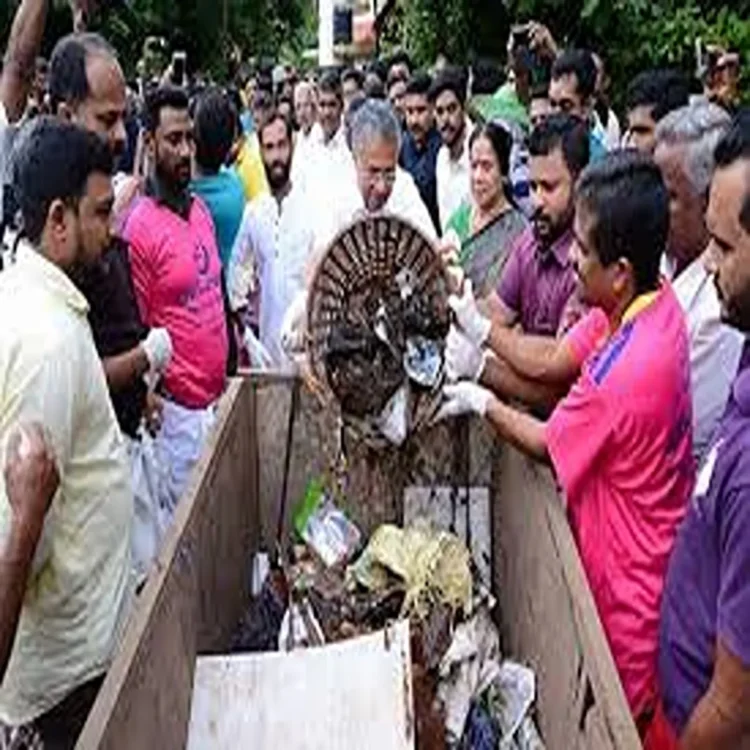
The department outlined a wide range of activities conducted as part of the pre-monsoon campaign. These included cleaning drainage systems, removing waste accumulation points, and carrying out source-reduction drives aimed at preventing mosquito breeding. Local authorities also undertook vegetation-clearing operations in areas vulnerable to scrub typhus transmission.
In addition, efforts were made to improve water safety through the chlorination of wells and other drinking water sources. Officials said these steps were implemented to reduce health risks commonly associated with the monsoon season, when water contamination and vector-borne diseases often become more prevalent.
Clarification on Shigella Infections
Responding to concerns that shortcomings in sanitation management may have contributed to the rise in Shigella cases, department representatives said there is no direct evidence supporting such a conclusion. They explained that the infection is generally spread through contaminated drinking water, poor personal hygiene practices, and food contamination.
According to officials, maintaining safe drinking water supplies and promoting proper handwashing habits remain among the most effective ways to prevent the spread of the disease. They stressed that public awareness and hygiene practices play a critical role in controlling outbreaks.
Focus on Public Health During Monsoon
The department reiterated its commitment to protecting public health through coordinated action with local bodies. Officials stated that sanitation drives, mosquito-control programs, and water-safety initiatives will continue throughout the monsoon period to reduce the risk of disease transmission.
As Kerala experiences seasonal health challenges linked to heavy rainfall, authorities have urged residents to remain vigilant, ensure access to clean drinking water, and follow recommended hygiene practices. The department maintains that preventive measures were launched on time and continue to be implemented across the state as part of a broader effort to safeguard communities from monsoon-related diseases.