
Safety – Jharkhand High Court Questions Gaps in Coal Mine Safety Oversight
Safety – The Jharkhand High Court has raised serious concerns over the deteriorating safety and health conditions in coal mines across the state, taking suo motu cognisance of the issue during a recent hearing. The court’s intervention reflects growing unease over the apparent disconnect between official reports and the realities faced by workers in hazardous mining environments.
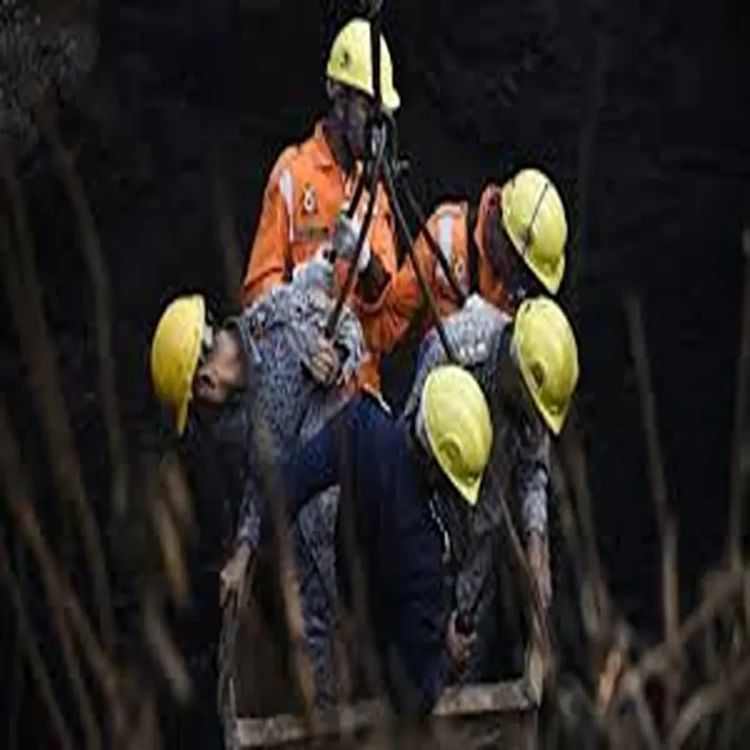
Court Expresses Concern Over Worker Safety
A division bench comprising Justices Sujit Narayan Prasad and Sanjay Prasad reviewed the matter on Monday, emphasizing that the safety and well-being of mine workers cannot be compromised. The proceedings were initiated in line with earlier directions from the Supreme Court, which underscored the importance of safeguarding workers’ fundamental right to life. The High Court indicated that continued administrative lapses could no longer be overlooked.
During the hearing, the judges made it clear that the responsibility for ensuring safe working conditions lies squarely with the state authorities. The court signaled its dissatisfaction with the pace and seriousness of action taken so far, suggesting that more concrete and visible efforts are needed.
State Report Fails to Convince Bench
The state government presented a review report outlining inspections carried out at major coal mines and industrial units. The document included an assessment of compliance with prescribed safety norms and regulatory standards. However, the court found the report lacking in substance.
According to the bench, there appeared to be a noticeable gap between what was documented in official inspections and the actual situation on the ground. The judges pointed out that such inconsistencies raise questions about the effectiveness of monitoring mechanisms and the credibility of compliance claims.
The court sought detailed explanations regarding the steps taken to mitigate risks faced by workers, particularly during high-risk operations. It also asked the administration to clarify measures being implemented to protect workers from long-term health hazards associated with mining activities.
Chief Inspector Asked to Appear Personally
In a significant move, the court directed the Chief Inspector of Factories to be present in person at the next hearing. This directive reflects the seriousness with which the judiciary is treating the issue and its intent to ensure accountability at the highest level of enforcement.
The bench indicated that the Chief Inspector would be required to explain the shortcomings in implementing safety protocols and justify the lack of tangible progress in improving working conditions. Legal representatives present during the hearing confirmed that the court was not satisfied with the current state of affairs.
Focus on Contract Workers and Wage Compliance
Beyond immediate safety concerns, the court also turned its attention to the broader welfare of mine workers. It asked the state government to submit a clear roadmap for the regularisation of contract workers, many of whom remain in precarious employment conditions despite working in high-risk environments.
Additionally, the court stressed the importance of enforcing minimum wage standards across the mining sector. It observed that ensuring fair wages is an essential aspect of worker protection and cannot be separated from discussions on safety and health.
Judiciary Signals Need for Systemic Reform
The High Court’s observations suggest a growing demand for systemic reforms in how mining operations are regulated and monitored. By seeking detailed action plans and holding senior officials accountable, the court aims to push the administration toward more effective governance.
The matter will be taken up again in the coming hearing, where the court expects comprehensive responses and a clear demonstration of intent to address the issues raised. The outcome could have significant implications for policy enforcement and worker safety standards in the state’s mining industry.