
Railways – Indian Railways Cuts Fuel Costs with Rapid Electrification Push
Railways – Indian Railways has significantly reduced its fuel expenses by transitioning from diesel to electric power, achieving savings of nearly Rs 6,000 crore, Railway Minister Ashwini Vaishnaw informed the Lok Sabha on Tuesday during discussions on budgetary allocations.
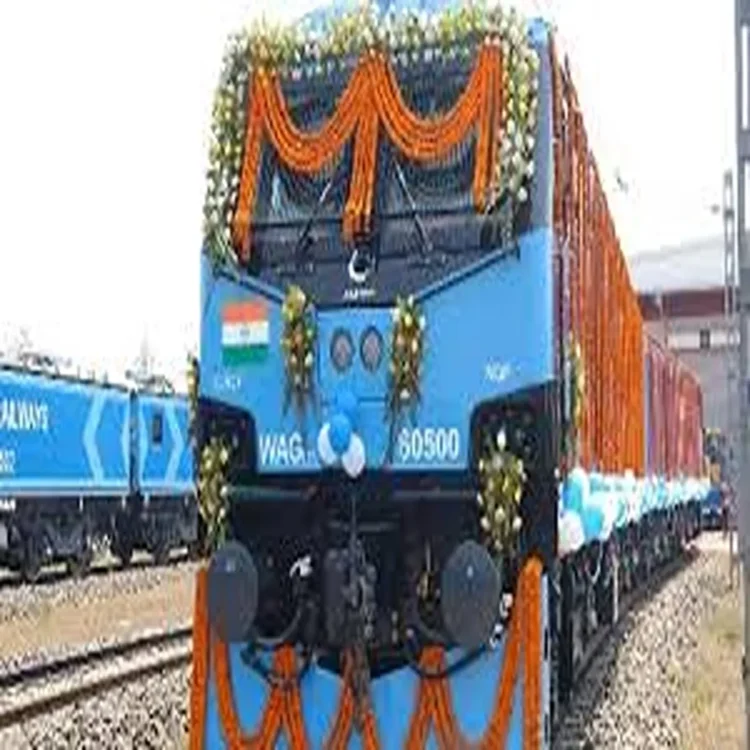
Shift to Electric Power Brings Major Savings
Addressing members of Parliament, the minister highlighted that energy remains the second-largest expense for the national transporter after staff costs. He explained that the gradual replacement of diesel engines with electric locomotives has led to substantial cost reductions. According to him, this transition is expected to continue, with diesel engines eventually becoming less common across the network.
Vaishnaw emphasized that the move toward electrification is not only cost-effective but also aligns with long-term sustainability goals. The reduction in fuel expenses reflects improved efficiency in operations and better resource management within the railway system.
Expansion of Rail Network and Infrastructure
The minister also shared key figures outlining the expansion of the railway network in recent years. Since 2014, approximately 35,000 kilometers of new railway tracks have been laid across the country. In addition, around 27,000 kilometers of existing routes have been electrified, marking a significant upgrade in infrastructure.
He noted that these developments have strengthened the capacity of Indian Railways, helping it emerge as one of the largest cargo carriers globally. The increased network coverage and modernization efforts have contributed to higher operational efficiency and improved service delivery.
Debate Over State Participation in Projects
During the session, a sharp exchange took place between the government and opposition members. Vaishnaw criticized certain state governments, including Kerala, Tamil Nadu, and West Bengal, for not providing adequate support for railway development projects, particularly in matters related to land acquisition.
Opposition members responded by raising concerns over project implementation and funding priorities. Despite the disagreement, the discussion reflected the ongoing challenges in coordinating large-scale infrastructure projects across multiple administrative levels.
Budget Reforms and Financial Oversight
The minister credited structural reforms for improving the financial condition of the Railways. He pointed to the decision to merge the railway budget with the general budget as a key step that allowed for increased funding and streamlined financial planning.
He added that financial transparency has improved, with accounts now being published more systematically. Advanced digital systems are being used by the Finance Ministry and other agencies to monitor the financial health of the Railways, ensuring better accountability.
Vaishnaw also noted that new trains and infrastructure projects are now being launched throughout the year, rather than being limited to specific announcements, indicating a more continuous development approach.
Parliament Approves Railway Budget Demands
The debate on the Railway Ministry’s demands for grants lasted two days and saw participation from over 200 members of Parliament. Following the discussions, the Lok Sabha approved the budgetary proposals for the financial year 2026–27, paving the way for continued investment in railway development.
Government Focus on Expanding Health Insurance Coverage
In a separate discussion in the Rajya Sabha, Finance Minister Nirmala Sitharaman stated that expanding health insurance coverage remains a priority for the government. She informed members that the insurance sector is growing steadily, with approximately 58 crore individuals covered during the 2024–25 period.
The minister expressed confidence that the country could achieve near-universal health insurance coverage by 2033, reflecting ongoing efforts to strengthen social security systems.
Suspension of MPs Revoked in Lok Sabha
Meanwhile, the Lok Sabha also witnessed a procedural development as the suspension of eight opposition MPs was lifted with immediate effect. These members had been barred earlier over alleged disorderly conduct.
Speaker Om Birla reiterated the importance of maintaining decorum within the House and instructed members to avoid displaying placards, posters, or digital images during proceedings. The move followed a request from Congress leadership, which assured cooperation for the smooth functioning of Parliament.