
Protest Response – Police Record Details RAF Crowd-Control Measures During NEET Rally
Protest Response –A newly surfaced police record has indicated that the Rapid Action Force (RAF) deployed several types of non-lethal crowd-control ammunition while dispersing demonstrators during the July 20 “Sansad Chalo” protest linked to the NEET paper leak issue near Jantar Mantar in New Delhi. The disclosure has renewed political debate over the handling of the protest, even as authorities continue to defend their actions.
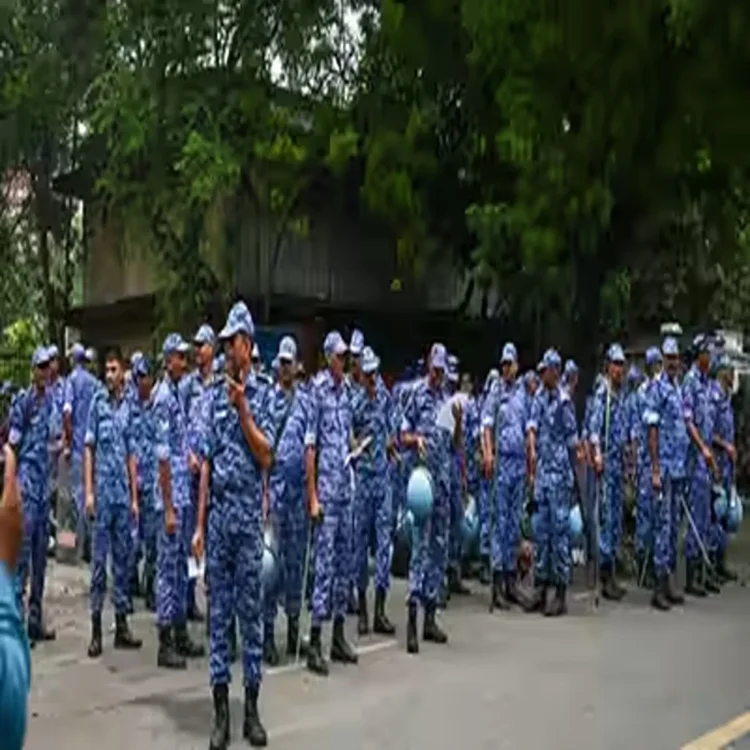
Official Diary Entry Details Crowd-Control Action
According to a general diary entry recorded at Parliament Street Police Station on July 22 at 1:24 pm, the information was submitted by a Deputy Commandant of the RAF. The officer had been deployed in Zone 1 of the Jantar Mantar area alongside a Delhi Police officer holding the rank of Deputy Commissioner of Police (DCP).
The official record states that the RAF acted after receiving instructions from the DCP during the operation to disperse protesters gathered at the site.
Types of Non-Lethal Ammunition Used
As per the police record, the force discharged 55 non-electrical shells, 15 electrical shells, five tear smoke grenades, two rounds from anti-riot guns and two rounds of plastic pellets during the crowd-control operation.
Officials explained that the plastic pellet rounds differ significantly from metal pellets. Each plastic pellet cartridge contains four plastic projectiles and is specifically designed for riot-control situations while aiming to reduce the risk of serious injury. Authorities maintained that these projectiles are intended to minimize harm compared with conventional metal ammunition.
Political Dispute Intensifies
The disclosure has emerged amid continued political criticism over the police response to the demonstration. Opposition parties have demanded that Union Home Minister Amit Shah address Parliament regarding allegations surrounding the reported use of force during the protest.
The march was organized by the Cockroach Janta Party (CJP), which had been demanding the resignation of then Union Education Minister Dharmendra Pradhan following the controversy over the alleged NEET-UG paper leak.
Reports have also surfaced claiming that two to three protesters suffered serious injuries allegedly caused by pellets during the clashes. However, the exact circumstances surrounding those injuries remain under public scrutiny.
Police Reject Allegations Over Peaceful Protesters
Delhi Police has firmly denied accusations that pellets were used against peaceful demonstrators. Officials described such claims as false and misleading, maintaining that the crowd-control measures adopted during the operation complied with established procedures.
The police have continued to defend their handling of the situation despite the growing political controversy and public discussion surrounding the incident.
Security Personnel Also Sustained Injuries
Authorities said the confrontation resulted in injuries to members of multiple security forces, including personnel from the Delhi Police, the Rapid Action Force and the Central Reserve Police Force (CRPF).
The clashes reportedly led to injuries on both sides as security personnel attempted to manage the gathering and restore order in the protest area.
Protest Ends After Minister’s Resignation
The agitation concluded after Dharmendra Pradhan stepped down from his position as Union Education Minister on Saturday. Following his resignation, the Cockroach Janta Party announced that it was ending its month-long protest campaign related to the NEET paper leak controversy.
Meanwhile, neither the CRPF nor the RAF has released a formal statement specifically addressing the allegations surrounding the reported use of plastic pellets.
CRPF Director General G. P. Singh stated that, with the protest now over and the crowd dispersed, the force would carry out its standard professional post-event assessment. He added that the findings and the official position of the Force Headquarters would be shared after the review process is completed.