
Power Discom Audit – Supreme Court Pauses CAG Review in Delhi
Power Discom Audit – The Supreme Court has temporarily halted a proposed Comptroller and Auditor General audit of Delhi’s private power distribution companies, days after the Delhi government ordered a review of their financial records. The dispute centres on regulatory assets worth about Rs 38,500 crore, an amount that could eventually be recovered from electricity consumers through future tariff adjustments.
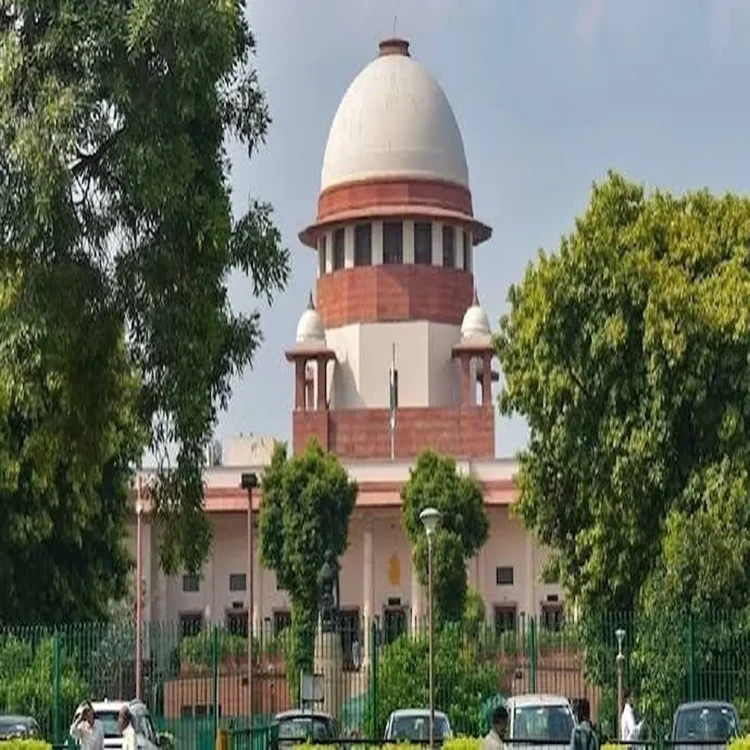
A vacation bench led by Justice K V Viswanathan directed all parties to maintain the existing position on the audit until the matter is examined further. The proposed review was to be conducted by an independent chartered accountant appointed through the CAG.
Court limits stay to CAG-linked audit
The Supreme Court made it clear that its interim order only affects the proposed CAG audit. It said the Delhi Electricity Regulatory Commission remains free to use its statutory powers under the law.
The bench also stated that no final view had been taken on the legal issues raised by the parties. It noted that all arguments and claims would remain open for consideration at the next stage of proceedings.
DERC challenges appellate tribunal direction
The order came while hearing a petition filed by the Delhi Electricity Regulatory Commission against a decision of the Appellate Tribunal for Electricity. The tribunal had directed the regulator to arrange an audit of the distribution companies through an independent chartered accountant.
The Supreme Court issued notices to the Delhi government, the CAG, DERC and the Union Ministry of Power. It has listed the case for further hearing on July 15.
The court also paused the appellate tribunal’s direction concerning the audit. It said the question of whether DERC can assign or facilitate such an examination through the CAG requires detailed legal scrutiny.
Regulatory assets remain central to dispute
Regulatory assets are generally created when electricity regulators defer the immediate recovery of costs from consumers to prevent a sharp increase in power bills. The unpaid amount is then carried forward and may be recovered over time through future tariff decisions.
In Delhi, the accumulated regulatory assets have become a major issue because of their size and the possible impact on household and commercial consumers. The Supreme Court observed that such liabilities, which are intended to protect consumers from sudden tariff shocks, should not remain pending for extended periods.
The court’s remarks indicate that the eventual recovery mechanism and the financial basis for the outstanding amount are likely to remain key issues in the case.
Arguments over consumer interest and public funds
Representing DERC, Solicitor General Tushar Mehta told the court that an audit referred to in the Supreme Court’s August 6, 2025 judgment should be completed before any regulatory asset recovery is made from consumers.
He argued that the financial position of the discoms must be independently assessed before tariff-paying consumers are asked to bear any additional burden.
Additional Solicitor General S V Raju, appearing for the Delhi government, submitted that the distribution companies receive significant public support in the form of electricity subsidies. He said this made CAG scrutiny necessary in the public interest.
The case now places the spotlight on the balance between regulatory oversight, the role of public audit institutions and the protection of consumers from higher electricity bills.
Next hearing set for July 15
For now, the CAG-linked audit process will remain on hold while the Supreme Court considers the legal questions surrounding the regulator’s authority and the tribunal’s directions.
The outcome could have wider implications for Delhi’s power sector, particularly for how regulatory assets are verified and recovered in the years ahead. Any final decision may also affect future electricity tariff planning for consumers across the national capital.