
Education Reform – Pappu Yadav Questions NTA’s Functioning During Lok Sabha Debate
Education Reform – Independent MP from Purnea, Rajesh Ranjan, widely known as Pappu Yadav, strongly criticized the Central government during the Lok Sabha discussion on the Examination Amendment Bill on Wednesday. He raised several questions about the functioning of the National Testing Agency (NTA), its financial operations, and the investigation into examination paper leak cases. The MP argued that greater transparency and stronger accountability are needed to restore public confidence in the country’s examination system.
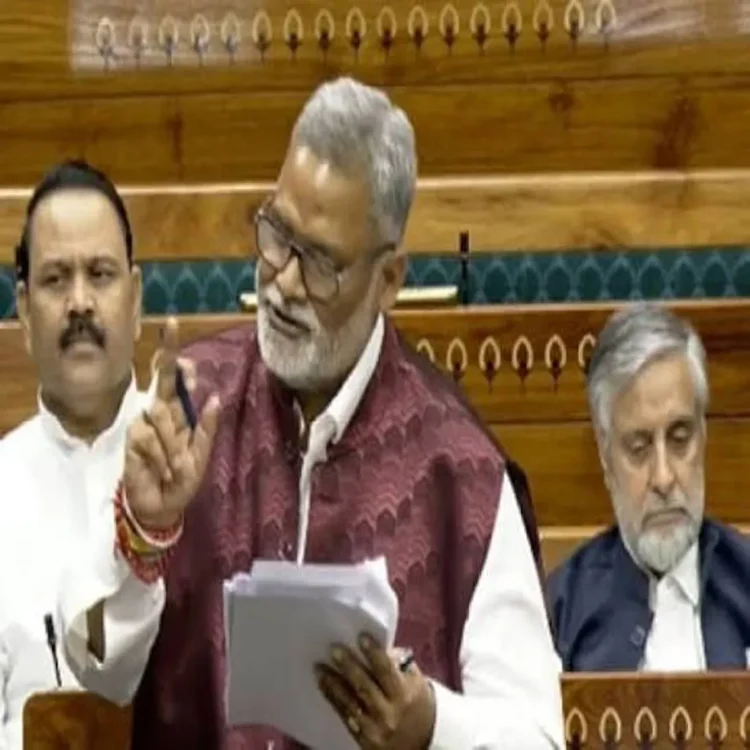
Questions Raised Over NTA’s Administration
While participating in the debate, Pappu Yadav pointed to the financial growth of the National Testing Agency, stating that the organization had generated around Rs 3,654 crore between 2019 and 2024. He asked the government to explain the agency’s financial structure and the reasons behind its growing revenue over the past few years.
The MP also questioned the appointment of senior officials to lead the agency. According to him, one individual had been assigned multiple high-profile constitutional and administrative positions despite allegedly facing adverse judicial observations in the past. He asked whether there were no other qualified officers available to head important national institutions, including the Union Public Service Commission and the National Testing Agency.
Concerns About Operational Capacity
Highlighting the scale of examinations managed by the NTA, Yadav claimed that the agency was functioning with only 24 officials while handling examinations involving nearly six to eight crore candidates every year. He questioned how such a small administrative setup could effectively manage such a massive responsibility.
He also sought clarification on the large number of examination applications processed annually and the substantial funds associated with these activities. According to him, the government should provide greater transparency regarding the agency’s operations and financial management to address public concerns.
Allegations Regarding Paper Leak Investigations
During the discussion, the Purnea MP also expressed concerns about the investigation into examination paper leak cases. He questioned the role of central investigative agencies in handling these matters and alleged that several key accused, including Sanjeev Mukhiya, had been released despite being linked to major examination paper leak investigations, including the alleged NEET-UG paper leak case and other incidents reported in Bihar.
Yadav further claimed that after the Central government constituted a Special Investigation Team (SIT), the state’s investigative authority in these cases was reduced. He sought greater clarity on the investigation process and asked who would ultimately be responsible for ensuring accountability in such sensitive matters.
Suggestions for Improving the Examination System
Apart from raising concerns, the MP also proposed adopting international practices to strengthen India’s examination process. He said several countries have implemented systems designed to improve transparency, security, and efficiency in conducting competitive examinations.
Referring to examples from abroad, he noted that many examinations in the United States are conducted using real-time computer-based testing systems. He also mentioned that South Korea reportedly follows strict confidentiality measures by keeping question paper setters in isolated and undisclosed locations before examinations. In addition, he referred to China’s reported practice of imposing severe penalties, including lifetime restrictions from government employment, on individuals found guilty of examination-related fraud.
Focus on Examination Integrity
The discussion reflected continuing concerns surrounding examination security and the credibility of recruitment and entrance tests conducted across the country. Issues such as paper leaks, administrative accountability, and transparent investigations have remained subjects of public debate in recent years.
The Examination Amendment Bill debate provided members of Parliament with an opportunity to present their views on strengthening the examination framework. During his remarks, Pappu Yadav emphasized the need for institutional reforms and the adoption of effective global practices aimed at protecting the integrity of examinations and ensuring fairness for millions of students and job aspirants.