
Politics – Swati Maliwal Switches Sides, Levels Serious Charges Against Kejriwal
Politics – Rajya Sabha member Swati Maliwal has intensified political debate after leaving the Aam Aadmi Party and joining the Bharatiya Janata Party, while also making strong allegations against AAP chief Arvind Kejriwal. Her move marks a significant shift in Delhi’s political landscape and has triggered reactions across party lines.
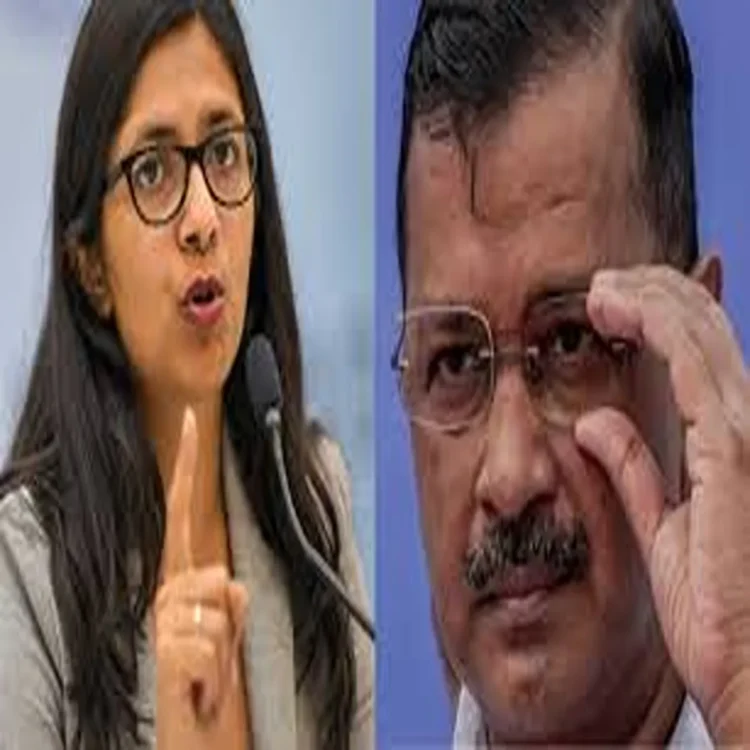
Maliwal Announces Exit and BJP Entry
A day after formally joining the BJP, Maliwal stated that her decision was driven by conviction rather than pressure. Speaking publicly, she said she had faith in the leadership of Prime Minister Narendra Modi and encouraged individuals interested in constructive governance to consider aligning with the BJP.
Her departure from AAP ends an association that began nearly two decades ago. Maliwal recalled working alongside Kejriwal since 2006, supporting multiple public movements that eventually led to the formation of the party.
Allegations of Harassment and Suppression
While explaining her exit, Maliwal accused Kejriwal of creating a hostile environment within the party. She alleged that she faced harassment and undue pressure, particularly after raising concerns about certain incidents.
According to her statement, she was physically assaulted at her residence and later pressured to withdraw the complaint she had filed. She further claimed that despite being a Rajya Sabha MP, she was not given an opportunity to speak in Parliament for two years, calling it a matter of concern for democratic functioning.
Maliwal described these experiences as deeply troubling and went on to accuse Kejriwal of being insensitive toward women’s issues.
Criticism of Governance in Punjab
Extending her criticism beyond Delhi, Maliwal also raised questions about AAP’s governance in Punjab. She alleged that the state administration was being controlled remotely and accused party leadership of misusing resources.
She claimed that illegal activities such as sand mining and drug-related issues had worsened in the state. Additionally, she said that leaders who voiced dissent were allegedly targeted through legal actions.
These remarks have added to the ongoing political tensions between the two parties, particularly in states where AAP has expanded its presence.
Praise for Central Leadership
In contrast, Maliwal praised Prime Minister Narendra Modi and Union Home Minister Amit Shah for what she described as decisive governance. She credited them with major policy initiatives, including steps related to women’s representation and internal security.
Referring to national operations and legislative measures, she highlighted what she sees as strong leadership at the Centre. Her comments reflect a clear shift in her political alignment and priorities following her move to the BJP.
Reflections on Political Journey
Maliwal also shared details about her political journey, beginning with her involvement in the Right to Information movement and later the anti-corruption campaigns that shaped modern Indian politics.
She expressed disappointment, saying that the principles on which AAP was founded had, in her view, been compromised over time. Her remarks suggest a broader critique of the party’s internal functioning and direction.
Wider Political Developments
Her exit comes amid a series of changes within AAP’s parliamentary ranks. Several Rajya Sabha members have reportedly distanced themselves from the party, with some moving closer to the BJP. These developments indicate a possible realignment within the Upper House.
Meanwhile, AAP leadership has begun internal discussions to assess the situation and plan its next steps. Senior leaders have held meetings following these developments, signaling that the party is preparing a response to the evolving political scenario.
The unfolding events are expected to have implications for both national and state-level politics in the coming weeks.