
Politics – Sixteen Former IVP Councillors Join BJP, Strengthening Delhi Civic Presence
Politics – The Bharatiya Janata Party (BJP) expanded its presence in the Municipal Corporation of Delhi (MCD) on Friday after all 16 councillors of the Indraprastha Vikas Party (IVP), a group that had earlier separated from the Aam Aadmi Party (AAP), formally merged with the party. The announcement was made in the presence of Delhi Chief Minister Rekha Gupta and Delhi BJP president Harsh Malhotra, marking another significant shift in the capital’s civic political landscape.
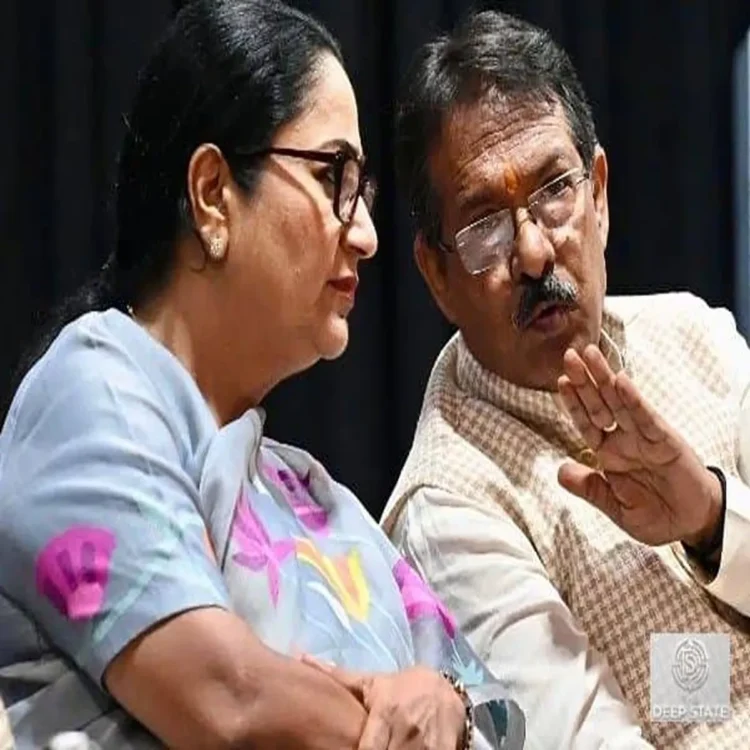
BJP Links Merger to Development Agenda
Addressing the gathering, Harsh Malhotra said the IVP was created under the leadership of former AAP councillor Mukesh Goel after a section of municipal representatives chose to function independently. He stated that while the group maintained a cooperative relationship with the BJP, its members gradually concluded that remaining outside the ruling party limited their ability to secure faster development for the areas they represented.
According to Malhotra, the councillors decided to join the BJP with the objective of aligning their wards more closely with the development initiatives being implemented by the Delhi government under the leadership of Prime Minister Narendra Modi. He described the move as one driven by the representatives’ intention to ensure that residents benefit from ongoing infrastructure and civic improvement projects across the national capital.
Development Fund Highlighted by BJP Leadership
Malhotra also pointed to what he described as an unprecedented decision by the Delhi government to allocate development funds of ₹1 crore to every municipal councillor, regardless of political affiliation. He said the measure reflected an inclusive approach towards local governance and ensured that elected representatives could address civic priorities within their constituencies.
He further claimed that the government’s focus on planning and civic management had contributed to smoother conditions during the ongoing monsoon season. Referring to the city’s preparedness, he asserted that Delhi had largely avoided major waterlogging and severe traffic disruptions, adding that the administration’s performance demonstrated the benefits of coordinated governance.
Chief Minister Welcomes New Entrants
Welcoming the newly inducted leaders, Chief Minister Rekha Gupta said residents of the concerned municipal wards would now be able to take full advantage of development programmes being carried out under what she described as the capital’s “triple-engine government.”
Gupta noted that she had interacted with several of the councillors over the years, both while serving in government and during her time in the Opposition. Based on those experiences, she said she was familiar with their administrative abilities and public service record.
She also assured the incoming councillors and the workers who accompanied them that they would receive equal respect within the BJP and would be given opportunities to actively participate in organisational and public development activities.
AAP Questions Motive Behind Political Shift
The political development triggered a strong response from the Aam Aadmi Party, which argued that the merger reinforced allegations it had made earlier regarding the circumstances surrounding the councillors’ departure from AAP.
Delhi AAP president Saurabh Bharadwaj claimed that the latest move supported the party’s contention that the formation of the Indraprastha Vikas Party had been part of a larger political strategy that eventually resulted in its merger with the BJP. According to him, the sequence of events indicated that the breakaway group was created to distance the councillors from AAP before formally joining the BJP.
The latest realignment is expected to further influence the balance of power within the Municipal Corporation of Delhi, where political equations have continued to evolve over recent months. With both the BJP and AAP presenting contrasting interpretations of the merger, the development is likely to remain a key point of discussion in Delhi’s civic politics.