
Politics – Questions Emerge After Surprise Outcome in J&K Rajya Sabha Polls
Politics – A fresh political dispute has surfaced in Jammu and Kashmir following revelations related to last year’s Rajya Sabha elections, where an unexpected result altered the anticipated outcome. The ruling National Conference has alleged that members of the opposition Peoples Democratic Party did not adhere to their declared stance during the polls, leading to an unforeseen victory for a Bharatiya Janata Party candidate.
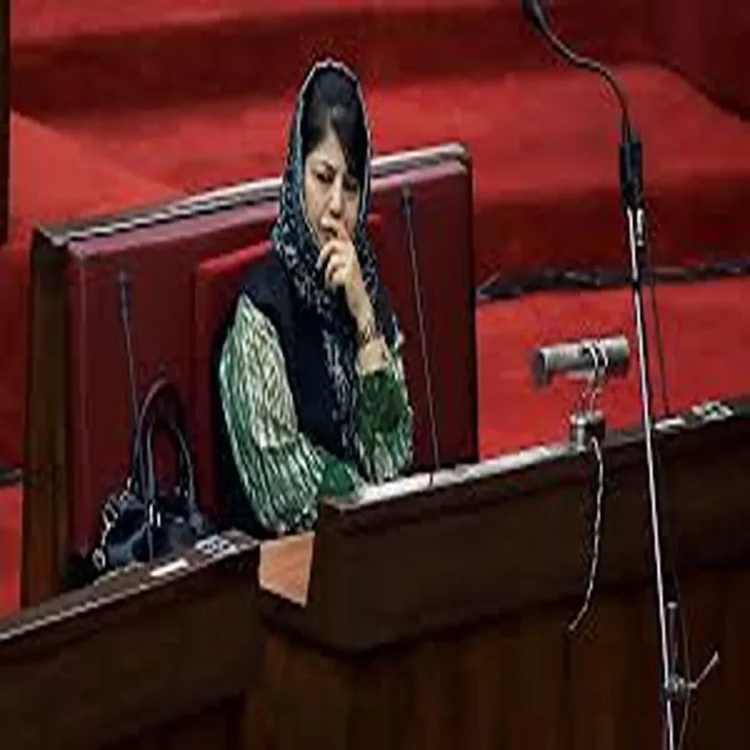
Allegations of Cross-Voting Stir Political Debate
The controversy dates back to October 24, 2025, when elections were conducted to fill four vacant Rajya Sabha seats from Jammu and Kashmir. Despite having the backing of a clear majority, the National Conference managed to secure only three seats. The fourth seat was won by BJP leader Sat Sharma, even though the party’s numerical strength in the विधानसभा was considered insufficient for such a result.
National Conference spokesperson Imran Nabi Dar publicly questioned the conduct of PDP legislators, pointing out that they had earlier pledged support to NC candidates. However, the final vote count suggested otherwise, raising suspicions of cross-voting.
Vote Count Raises Eyebrows
According to the official tally, Sat Sharma received 32 votes, exceeding his party’s strength of 28 by four votes. In contrast, Imran Nabi Dar, who was contesting for the fourth seat on behalf of the National Conference, secured only 21 votes. Additionally, three votes were declared invalid during the counting process.
This discrepancy between expected and actual voting patterns has become the focal point of the ongoing political argument. The National Conference maintains that the results cannot be explained without considering the possibility of cross-party voting.
RTI Response Adds New Dimension
The situation gained further attention after information obtained through a Right to Information request revealed procedural details about the election. The response from the J&K Assembly Secretariat indicated that only three parties—the National Conference, BJP, and Congress—had appointed authorised agents to oversee the voting process.
In total, seven such agents were designated: four by the National Conference, two by the BJP, and one by the Congress. Notably, the Peoples Democratic Party, which had three legislators at the time and had extended support to NC candidates, did not appoint any authorised agents.
Importance of Authorised Agents in Voting
Under Rule 39AA of the Conduct of Election Rules, 1961, authorised agents play a crucial role in Rajya Sabha elections. They are permitted to verify how members of their respective parties cast their votes before the ballot is officially submitted. This mechanism is intended to ensure transparency and party discipline during the voting process.
The absence of authorised agents from the PDP has therefore raised questions about oversight and accountability. Observers argue that this gap may have contributed to the uncertainty surrounding the voting behavior of its legislators.
Speculation Over Motives Continues
While no official confirmation has been provided regarding the alleged cross-voting, leaders from the National Conference have suggested several possible factors behind the outcome. These include political incentives, strategic alignments, or individual decisions taken by legislators at the time of voting.
However, no concrete evidence has been publicly presented to substantiate these claims. The PDP has also not issued a detailed response addressing the specific allegations or the absence of authorised agents during the election.
Focus Shifts to Unanswered Questions
As discussions continue, attention has turned to identifying the legislators whose votes may have influenced the final result. The issue of invalid votes has also added another layer of complexity to the situation.
Whether the identities of those involved will be officially disclosed remains uncertain. For now, the episode has reignited debate over electoral transparency and internal party discipline in legislative processes within Jammu and Kashmir.