
Politics – Delhi CM Rekha Gupta Responds to Kejriwal’s Judicial Remarks
Politics – The latest exchange between Delhi Chief Minister Rekha Gupta and former Chief Minister Arvind Kejriwal has brought renewed attention to the role of the judiciary and public accountability in political discourse.
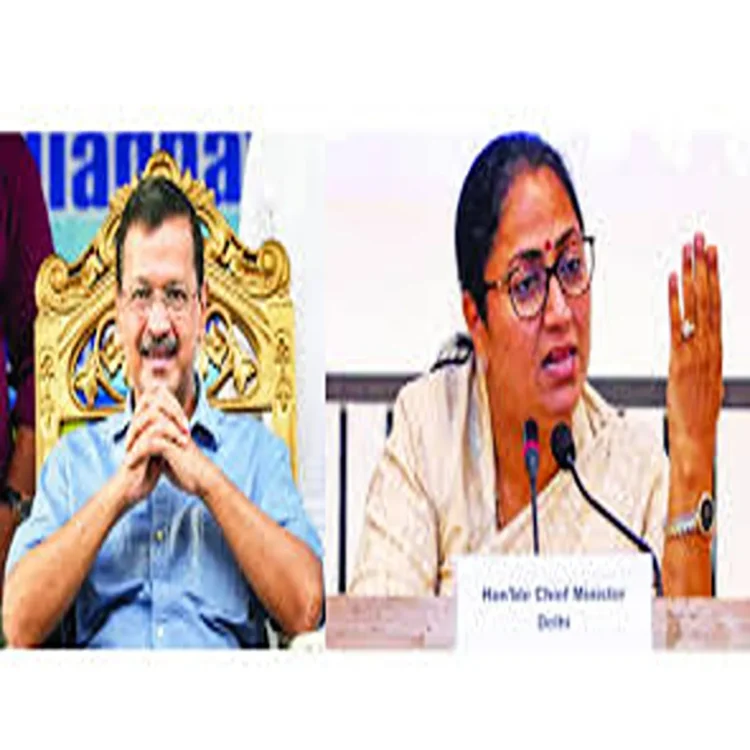
Sharp Response to Public Statements
On Monday, Chief Minister Rekha Gupta strongly criticized Arvind Kejriwal following his recent comments and a letter addressed to a High Court judge. Gupta argued that Kejriwal’s tone and actions suggest he views his own statements as unquestionable truths. She remarked that such an approach reflects a troubling mindset, especially in matters involving the judicial system.
According to Gupta, Kejriwal appears to be positioning himself in multiple roles simultaneously—acting as his own legal representative, witness, and adjudicator. She questioned how the judicial process could function effectively if individuals begin to assume all roles within it. Her comments underline concerns about maintaining institutional balance and respecting due process.
Concerns Over Judicial Integrity
Gupta emphasized that repeatedly casting doubt on judicial institutions could weaken public trust. She stated that making allegations against judges in public forums, while avoiding court appearances, undermines the dignity and authority of the legal system. In her view, such actions could create confusion among citizens and erode confidence in constitutional mechanisms.
She further noted that the judicial system is designed to ensure fairness through established procedures. Any attempt to bypass or publicly challenge these processes without proper legal engagement raises serious concerns. Gupta stressed that public figures have a responsibility to uphold the credibility of institutions rather than diminish them.
Questions Over Legal Strategy
Another key point raised by Gupta was Kejriwal’s reported request for a change of judge after the filing of a chargesheet. She suggested that such a move, especially at this stage, invites scrutiny regarding its intent. According to her, legal proceedings should follow a transparent path, and sudden shifts in approach may lead to questions about consistency and fairness.
Gupta argued that once formal legal steps have been initiated, all parties involved should cooperate fully with the process. Attempting to alter its course without clear justification could be perceived as an attempt to influence outcomes rather than seek justice.
Objection to Historical Comparisons
In her remarks, Gupta also expressed disapproval of comparisons made between contemporary political situations and national icons. She stated that drawing parallels with respected historical figures in such contexts is inappropriate and risks trivializing their legacy. According to her, public discourse should remain grounded in present realities rather than invoking symbolic references that may not be relevant.
Call for Responsible Public Conduct
The Chief Minister concluded by urging all political leaders to exercise restraint and responsibility, particularly when addressing sensitive matters involving the judiciary. She highlighted the importance of maintaining a clear distinction between political debate and legal proceedings.
Gupta’s response reflects a broader concern about the intersection of politics and the legal system. As public figures continue to engage in high-profile disputes, the manner in which they address judicial matters is likely to remain under close scrutiny.