
Politics – Delhi Assembly Convenes Special Session Over Women’s Reservation Debate
Politics – The Delhi Legislative Assembly is set to meet on April 28 for a special sitting focused on the ongoing debate surrounding women’s reservation. The move follows the recent rejection of related legislation in the Lok Sabha, which has sparked political reactions across several states governed by the Bharatiya Janata Party (BJP).
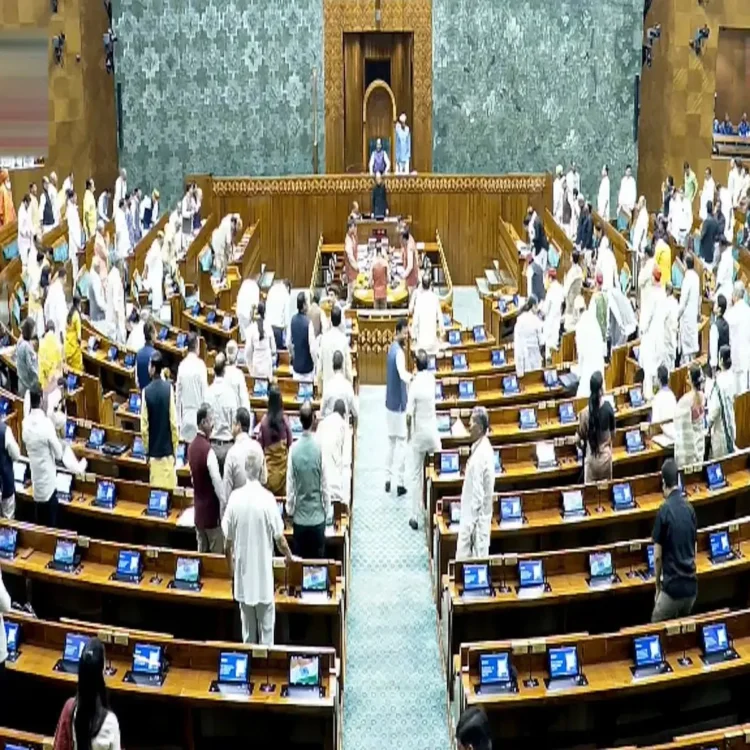
Special Session Scheduled Amid National Debate
According to an official communication from the Assembly secretariat, the fifth session of the eighth Delhi Assembly will begin at 11 a.m. on Tuesday. While the current plan is to conduct proceedings for a single day, authorities have indicated that the session may be extended if discussions require additional time.
Officials have confirmed that logistical preparations have been completed to ensure that the session proceeds without disruption. Particular attention has been given to security measures, especially in light of recent bomb threats that prompted heightened vigilance across government institutions in the capital.
Political Reactions Following Bill’s Defeat
The special session comes shortly after the failure of the proposed Mahila Shakti Amendment Bill to secure passage in Parliament. The development has drawn criticism from BJP leaders, who have voiced concerns over what they describe as missed opportunities for advancing women’s representation in governance.
Delhi Chief Minister Rekha Gupta, along with several party colleagues, had recently staged a symbolic protest against the bill’s rejection. Wearing black armbands, the leaders expressed dissatisfaction with the outcome in the Lok Sabha and described the situation as deeply concerning.
Accusations of Political Obstruction
Chief Minister Gupta has alleged that opposition parties, particularly the Congress and its allies, played a role in preventing the bill from being approved. She argued that such actions reflect a broader pattern of resistance to initiatives aimed at strengthening women’s participation in public life.
In her remarks, Gupta suggested that the issue goes beyond a single piece of legislation, pointing to what she described as a consistent lack of support for measures promoting gender equality in political representation. She emphasized that voters, especially women, are closely observing these developments and forming their own judgments.
Broader Political Implications
The decision to hold a special session in Delhi mirrors similar steps taken by BJP-led governments in other states. These sessions are expected to serve as platforms for discussing the implications of the bill’s rejection and for shaping future political strategies around the issue of women’s reservation.
Political analysts note that the debate over women’s representation has long been a sensitive and significant topic in Indian politics. While there is broad agreement on the need to increase participation, disagreements persist over the approach and timing of legislative measures.
Focus on Legislative Deliberation
During the upcoming session, members of the Delhi Assembly are likely to engage in detailed discussions about the provisions of the proposed amendment and its potential impact. The proceedings may also include resolutions or statements reflecting the Assembly’s position on the matter.
Observers expect the session to highlight differing viewpoints while also underlining the importance of constructive dialogue on issues affecting democratic representation. The outcome of these discussions could influence future policy directions at both the state and national levels.
As the political discourse continues, attention remains on how lawmakers across party lines respond to growing calls for greater inclusion of women in legislative bodies.