
Politics – Congress Questions Centre’s Shift on Women Reservation Timeline
Politics – The Congress on Friday criticised the central government over what it described as a sudden change in its position regarding the implementation of the women’s reservation law, arguing that the move appears aimed at diverting attention from governance challenges and foreign policy concerns.
Opposition Raises Concerns Over Delay
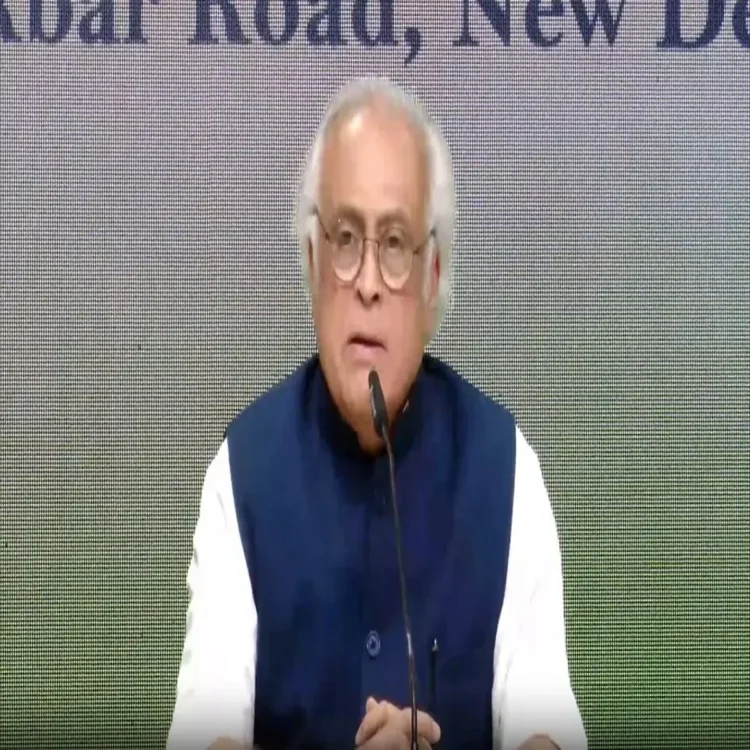
Senior Congress leader Jairam Ramesh said the government had earlier declined the party’s demand to enforce the Nari Shakti Vandan Adhiniyam, 2023, in time for the 2024 general elections. According to him, the legislation, which was passed unanimously in Parliament, could have been implemented earlier if there had been political will.
Ramesh stated that the Prime Minister should address why the proposal was initially tied to the completion of the Census and the delimitation process. He argued that these prerequisites were not carried out in a timely manner, resulting in delays that could have been avoided.
Questions Over Policy Shift
The Congress leader further alleged that the government’s recent signals suggest a change in approach, possibly influenced by political developments. He claimed that the new stance appears to move away from the earlier insistence on Census-based delimitation before implementing the reservation.
Ramesh also pointed out that official sources had indicated that Census data could be available by 2027, raising questions about why the process was not expedited earlier. He suggested that the evolving narrative around the issue could create confusion among voters, particularly in states heading into elections.
Government’s Position and Proposed Timeline
The criticism from the opposition came shortly after Prime Minister Narendra Modi reiterated the importance of women’s representation in legislative bodies. In a recent statement, he described the proposed amendments as reflective of the aspirations of women across the country.
The Prime Minister emphasised that greater participation of women in governance is essential for national progress. He indicated that the government intends to move forward with the implementation of the reservation framework ahead of the 2029 Lok Sabha elections and subsequent state assembly polls.
Special Parliamentary Session Announced
The Centre has announced a special session of Parliament from April 16 to 18, during which the issue is expected to be discussed. The government aims to finalise the process required to operationalise the provisions of the Women Reservation Act.
The Nari Shakti Vandan Adhiniyam, passed in 2023, provides for 33 percent reservation for women in the Lok Sabha and state assemblies. However, its rollout is linked to the delimitation exercise, which is to be based on updated Census data.
Broader Implications of the Legislation
The implementation of the law is expected to significantly reshape the composition of legislative bodies. Proposals suggest an increase in Lok Sabha seats from 543 to 816, with 273 seats reserved for women. The framework also includes provisions for representation of Scheduled Castes and Scheduled Tribes in proportion to their population.
While the government has presented the move as a step toward inclusive governance, the opposition continues to question both the timing and the process. The debate reflects broader political differences over how and when such structural reforms should be introduced.
As discussions continue, the focus is likely to remain on balancing procedural requirements with the demand for timely implementation of a law seen as crucial for enhancing women’s participation in politics.