
Politics – AAP Faces Major Rift as Rajya Sabha MPs Shift Sides
Politics – A significant political shift has unfolded in Delhi as a large section of the Aam Aadmi Party’s Rajya Sabha members have parted ways with the party and aligned with the Bharatiya Janata Party. The development has sparked sharp reactions from leaders across both camps, marking a turning point in the capital’s political landscape.
Chief Minister Targets Party Leadership
Delhi Chief Minister Rekha Gupta strongly criticised AAP’s national convenor Arvind Kejriwal following the departure of several senior MPs. She described the move as a serious setback for the party’s leadership structure, suggesting it reflects growing internal dissatisfaction. According to Gupta, the exit of such a substantial number of members indicates deeper issues within the party.
In a statement shared publicly, she argued that the organisation, which once positioned itself as a voice for ordinary citizens, has lost its original identity. Gupta further alleged that corruption has become widespread within the party and claimed that the latest developments signal a decline in its credibility.
Warning Signals for Punjab Politics
Gupta also extended her criticism beyond Delhi, predicting electoral challenges for AAP in Punjab. Drawing comparisons with the party’s recent performance in the national capital, she suggested that similar outcomes could emerge in other states. Her remarks underline the broader political implications of the current situation and hint at intensified competition in upcoming elections.
Formal Split Announced in the Capital
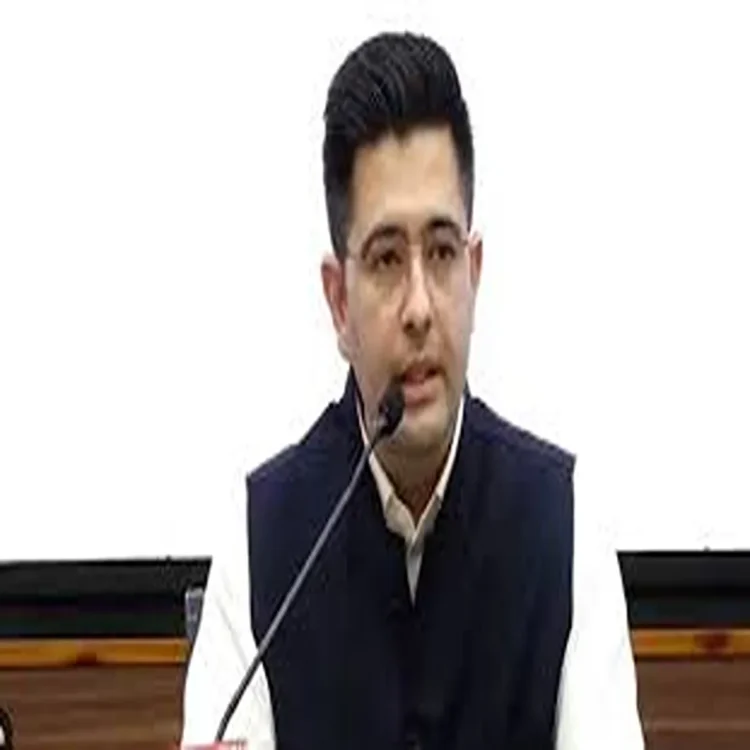
The internal rift became official when several Rajya Sabha MPs, including Raghav Chadha, publicly confirmed their decision to separate from the party. Chadha, who had earlier been removed from a key leadership role in the Upper House, addressed the media in Delhi and outlined the reasons behind the split. He indicated that discussions leading to this move had been ongoing for some time.
The announcement confirmed that a significant portion of AAP’s representation in the Rajya Sabha would now merge with the BJP. The move represents one of the most notable shifts in parliamentary alignment in recent months.
Key Leaders Join BJP
Alongside Chadha, MPs Sandeep Pathak and Ashok Mittal were among those who formally joined the BJP. The transition took place in the presence of senior BJP leadership, who welcomed the new members into the party fold. The event was marked by statements emphasising unity and a shared vision for national development.
BJP leaders described the move as a natural outcome of political realities, suggesting that the departing MPs were seeking a platform aligned with their goals. The party leadership also highlighted its broader agenda, encouraging the new members to contribute toward long-term national objectives.
Mixed Reactions Across Political Circles
The development has triggered contrasting responses. Within AAP, the move has been met with strong criticism, with party leaders expressing concern over the impact on organisational stability. Many have framed the departures as a betrayal of the party’s founding principles.
On the other hand, BJP leaders have welcomed the shift, portraying it as an endorsement of their governance approach. Statements from party officials suggest that they view the development as a strengthening of their position both in Parliament and in future electoral contests.
Broader Political Implications
The departure of a large group of MPs is likely to have lasting consequences for AAP’s national presence, particularly in the Rajya Sabha. It may also influence alliances, campaign strategies, and voter perceptions in the months ahead. Political analysts believe that such shifts often reshape narratives and can alter the balance of power in subtle but important ways.
As events continue to unfold, attention will remain focused on how both parties adapt to the changing landscape and what it means for upcoming elections across key states.