
Mining – Congress Raises Concerns Over Odisha Bauxite Project Protests
Mining – The Congress on Tuesday criticized the central government over growing protests in Odisha’s Koraput district, where local villagers have been opposing a proposed bauxite mining project. The party alleged that regulatory procedures were being bypassed to secure approvals for mining operations and questioned why such disputes involving tribal communities continue to emerge across different regions of the state.
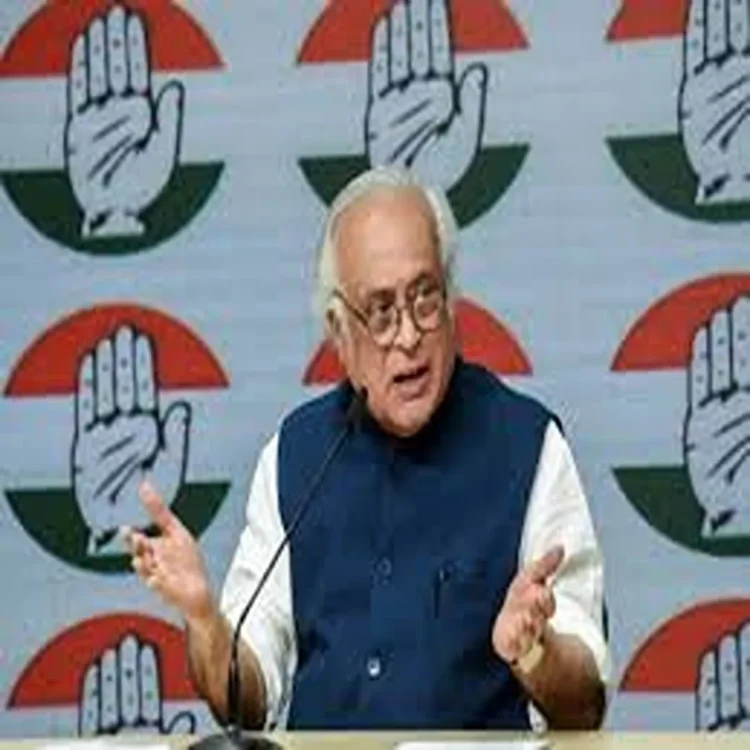
Allegations Linked to Forest Land Use
According to Congress leader Jairam Ramesh, Kalinga Alumina Ltd is facing accusations of diverting nearly 400 acres of forest land without following the legal safeguards meant to protect the interests of indigenous communities. He stated that the affected land is traditionally used by local residents and holds cultural as well as spiritual significance for them. These rights, he noted, are protected under the Forest Rights Act, 2006.
Ramesh argued that concerns raised by villagers deserve serious attention, particularly because the disputed land is closely connected to the livelihood and heritage of tribal groups living in the area. He said the allegations have intensified tensions between local communities and project authorities.
Questions Raised Over Tribal Affairs Ministry
The Congress leader also called on Union Tribal Affairs Minister Jual Oram to examine the reasons behind recurring protests linked to tribal rights and land-related issues in Odisha. He suggested that repeated demonstrations in different districts indicate broader concerns that require a policy-level response.
According to the opposition party, ensuring that legal protections for tribal communities are fully implemented remains essential before any major development project is allowed to move forward in scheduled areas.
Criticism of State-Level Task Forces
In a post shared on social media platform X, Ramesh also criticized the formation of special task forces in Madhya Pradesh and Chhattisgarh. He claimed these bodies were created to formalize the involvement of organizations associated with the Rashtriya Swayamsevak Sangh (RSS) in implementing key laws related to tribal governance and forest rights.
He further alleged that Odisha could become the next state to adopt a similar approach. According to him, these developments raise concerns about how important legislation is being administered in regions with significant tribal populations.
Focus on PESA and Forest Rights Act
The Congress leader referred specifically to two major laws — the Panchayat (Extension to Scheduled Areas) Act, 1996 (PESA), and the Forest Rights Act, 2006 (FRA). He argued that both pieces of legislation were enacted after years of public campaigns and grassroots movements aimed at strengthening the rights of tribal communities.
Ramesh maintained that the original purpose of these laws was to empower local self-governance and safeguard traditional rights over forests and natural resources. He expressed concern that the functioning of the recently established task forces could alter the democratic framework envisioned under these Acts.
Debate Over Implementation Continues
The issue has added another dimension to the ongoing national debate over balancing industrial development with environmental safeguards and tribal rights. While mining projects are often promoted for their economic potential and employment opportunities, local communities and rights groups frequently emphasize the need for strict adherence to legal protections and consultation processes.
As protests continue in parts of Koraput, the controversy is likely to keep attention focused on how development projects are approved and how laws designed to protect forest-dwelling communities are implemented on the ground.