
Maternal Health – Andhra Pradesh Expands Emergency Training for Safer Childbirth
Maternal Health – The Health and Family Welfare Department has begun a specialised training programme for doctors, nurses and other frontline health workers, with a focus on preventing maternal deaths caused by severe bleeding and eclampsia. The initiative is intended to improve emergency response at health facilities and ensure that high-risk patients receive timely treatment.
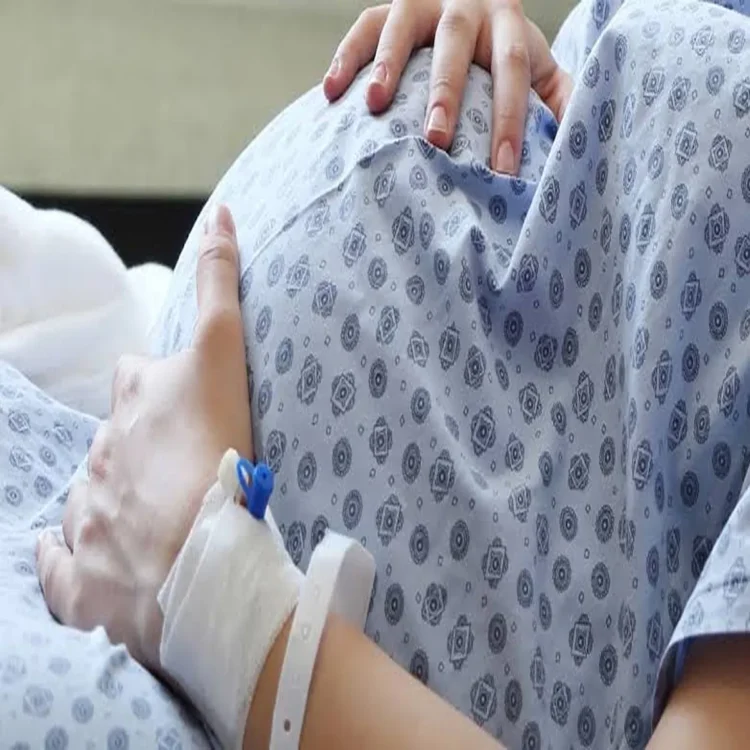
Focus on major causes of maternal deaths
Health Commissioner Chakradhar Babu said the programme is being conducted with support from Swasti, a non-governmental organisation, and the Federation of Obstetric and Gynaecological Societies of India (FOGSI).
Officials said postpartum haemorrhage and eclampsia remain two major contributors to maternal deaths in the state. Department data shows that postpartum haemorrhage accounts for about 20 per cent of such deaths, while eclampsia is linked to nearly 23 per cent. Together, these complications are associated with around 43 per cent of maternal deaths reported in Andhra Pradesh.
First training held for staff from two districts
The first round of training was organised in Mangalagiri, where nearly 75 healthcare workers from Anantapur and Bapatla districts participated. The two-day programme included gynaecologists, primary health centre medical officers, staff nurses and community health officers.
The sessions were designed to improve the ability of health workers to identify warning signs early and take immediate action before a patient needs to be referred to a larger hospital. Participants were trained in practical procedures and updated clinical protocols for managing obstetric emergencies.
Updated methods for handling severe bleeding
A major part of the programme focused on postpartum haemorrhage, a condition involving excessive blood loss after delivery. Trainers explained the importance of quick assessment and early treatment to prevent the condition from becoming critical.
Healthcare staff were trained in methods such as uterine massage, use of oxytocin, administration of tranexamic acid, intravenous fluid support and regular monitoring of the mother’s condition. The programme also covered the E-MOTIVE bundle, which brings together several evidence-based steps for managing heavy bleeding after childbirth.
Greater emphasis on accurate blood-loss assessment
FOGSI national president Dr Madhuri and Andhra Pradesh chapter representative Dr Susheela highlighted the need for better measurement of blood loss during delivery. They said calibrated drapes can help medical teams assess bleeding more accurately and respond without delay.
According to the experts, these tools are not used widely enough in routine maternity care, even though they can help doctors and nurses recognise dangerous blood loss at an earlier stage. Accurate measurement is considered important because visual estimates alone may not always show the seriousness of a patient’s condition.
Early intervention before referral remains crucial
Dr Madhuri said early recognition of haemorrhage and pre-eclampsia can make a major difference in saving mothers’ lives. She noted that treatment should begin immediately at the first point of care rather than waiting for a patient to reach a higher medical centre.
The training programme aims to ensure that frontline health workers are prepared to stabilise patients and begin necessary treatment during the critical period before referral. This approach is expected to improve coordination between primary health centres, community facilities and referral hospitals.
Statewide expansion planned
Chakradhar Babu said the government plans to extend the programme to healthcare workers across Andhra Pradesh. The wider rollout will focus on providing frontline teams with current, evidence-based practices for maternal emergency care.
The department expects the initiative to strengthen childbirth services in both rural and urban areas, while reducing deaths that can be prevented through early diagnosis, timely treatment and better clinical preparedness.