
Maritime – India Urges Urgent Reopening of Strait of Hormuz Route
Maritime – India has renewed its call for restoring movement through the Strait of Hormuz as tensions continue to disrupt maritime activity in West Asia. The appeal comes at a time when global energy supply chains face mounting uncertainty due to restricted access to one of the world’s most critical shipping corridors.
India Highlights Safety Concerns for Seafarers
Speaking at a virtual meeting hosted by the United Kingdom, Foreign Secretary Vikram Misri emphasized the importance of ensuring safe passage for commercial vessels. The meeting brought together representatives from more than 60 countries to discuss possible solutions for reopening the strategic waterway.
India underlined that it has been directly affected by the ongoing conflict, particularly in terms of human loss. Officials noted that Indian seafarers have been among those killed in attacks targeting merchant ships in the Gulf region. Government data indicates that at least three Indian sailors lost their lives while serving aboard foreign-flagged vessels navigating the Strait of Hormuz.
These casualties were part of a broader toll during the early phase of the conflict, which saw eight Indian nationals killed across the region. The government described these incidents as a matter of serious concern, reinforcing the urgency of restoring secure navigation.
Strategic Importance of the Strait
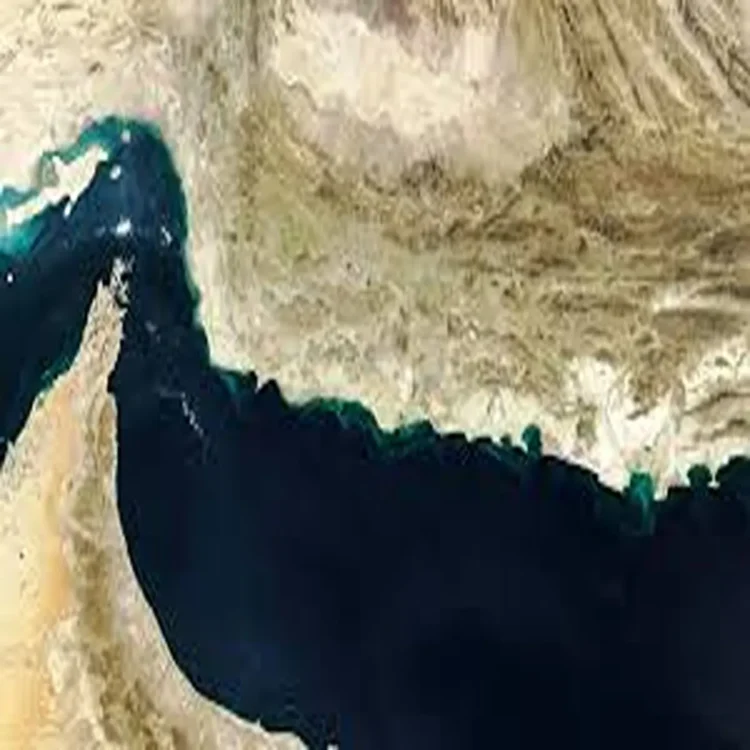
The Strait of Hormuz serves as a vital link for global oil and gas transportation, with a significant portion of the world’s energy supplies passing through it. Any disruption in this route has far-reaching consequences, affecting fuel prices and economic stability worldwide.
India, which relies heavily on energy imports, has expressed concern about the potential long-term impact on its energy security. Officials stressed that uninterrupted transit through international waterways is essential not just for India, but for the global economy as a whole.
Call for Dialogue and De-escalation
During the discussions, India reiterated its long-standing position that diplomatic engagement remains the most effective way to resolve conflicts. Misri urged all involved parties to focus on reducing tensions and returning to dialogue.
According to a statement from the Ministry of External Affairs, India believes that de-escalation and constructive communication are key to restoring stability in the region. The government has consistently advocated peaceful solutions and has avoided taking sides in the conflict.
Ongoing Diplomatic Efforts
Earlier, External Affairs Ministry spokesperson Randhir Jaiswal had confirmed India’s participation in the UK-led talks. He stated that India remains actively engaged with multiple countries, including Iran, to ensure safe passage for its vessels.
India has been particularly focused on securing transit for ships carrying essential energy supplies such as LPG and LNG. These shipments are crucial for meeting domestic energy demands and maintaining economic stability.
Jaiswal also revealed that recent diplomatic efforts have yielded some positive results. In the past few days, six Indian vessels have successfully navigated through the Strait of Hormuz without incident. This progress, he said, reflects ongoing coordination with regional stakeholders.
Continued Monitoring and Coordination
Despite these developments, the situation remains fragile. Indian authorities are maintaining close contact with international partners to monitor conditions and respond to any emerging risks.
The government has indicated that it will continue prioritizing the safety of its maritime operations while advocating for broader international cooperation. Ensuring secure shipping routes remains a critical objective as the conflict unfolds.
India’s position highlights a broader global concern: that prolonged disruptions in key maritime corridors could have lasting economic and humanitarian consequences. As discussions continue, the focus remains on restoring stability and safeguarding both lives and trad