
Energy – Rahul Gandhi Criticises Government Over Rising LPG Costs and Impact
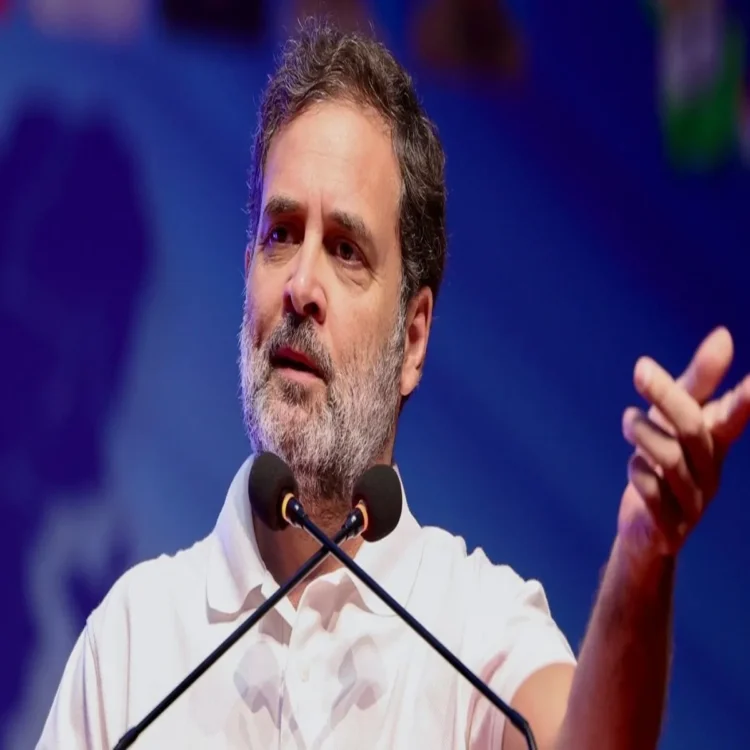
Energy – Congress leader Rahul Gandhi on Monday launched a sharp attack on the central government, questioning its approach to what he described as an emerging crisis related to LPG prices. Drawing comparisons with the handling of the COVID-19 pandemic, he alleged that the burden of rising costs is once again falling disproportionately on economically vulnerable groups.
Concerns Over Affordability for Daily Wage Workers
Gandhi highlighted the growing difficulty faced by daily wage earners in managing basic household expenses. According to him, workers earning between Rs 500 and Rs 800 a day are finding it increasingly difficult to afford cooking gas. He pointed out that many labourers returning home after long working hours are struggling to even arrange fuel for preparing meals.
The remarks reflect broader concerns about inflation and its effect on essential commodities, particularly for migrant and informal sector workers who depend on daily earnings for survival.
Migration Pressures and Impact on Workforce
The Congress leader further argued that rising living costs are compelling workers to reconsider their livelihoods in urban areas. He suggested that many labourers are being pushed to leave cities and return to their villages due to financial stress.
He stressed that such a trend could disrupt industries that rely heavily on migrant labour, especially sectors like textiles and small-scale manufacturing. According to his assessment, workers who form the backbone of these industries are now facing severe economic strain themselves.
Warning Signs for Key Economic Sectors
Gandhi also raised concerns about the broader economic implications of the situation. He stated that the textile sector is already under pressure, while manufacturing activities are showing signs of slowdown.
He attributed part of the problem to what he described as policy missteps, including decisions made during international negotiations. Although he did not provide specific details, he claimed that these issues have contributed to the current challenges and remain unaddressed by the government.
Criticism of Policy Approach
In his statement, Gandhi criticised what he called a lack of structured policy response, alleging that major announcements have not been backed by effective implementation. He warned that such an approach could have long-term consequences, including weakening industries and increasing economic inequality.
He also raised a broader question about the recurring impact of crises on lower-income groups, urging citizens to reflect on why vulnerable communities often bear the brunt of economic disruptions.
Government’s Position and Ongoing Measures
The remarks come shortly after Prime Minister Narendra Modi addressed Parliament, where he spoke about global uncertainties arising from tensions in West Asia. He cautioned that such challenges could continue to affect energy markets and called for collective efforts to manage the situation.
In a recent meeting of the Cabinet Committee on Security, chaired by the prime minister, officials reviewed strategies to minimise the impact of global developments on domestic fuel supply. The government has been working to ensure adequate availability of petroleum products, including LPG and LNG, by diversifying import sources.
Authorities have also emphasised the importance of providing accurate information to the public and taking steps to reduce disruptions in affected sectors. Efforts are underway to maintain stable supply chains and address concerns arising from international market fluctuations.
Ongoing Debate on Economic Impact
The exchange highlights an ongoing political debate over rising costs and economic management. While the opposition has raised concerns about affordability and policy effectiveness, the government has pointed to external global factors and measures being taken to stabilise supply.
As energy prices continue to influence household budgets and industrial activity, the issue is likely to remain a key point of discussion in the coming weeks.