
Legislation – State Assemblies Pass Record Bills Amid Limited Sitting Days
Legislation – State legislatures across India recorded their highest lawmaking activity in recent years during 2025, approving more than 600 bills despite meeting for relatively short periods, according to the PRS Annual Review of State Laws 2025. The study examined legislative performance in 27 states and three Union Territories, highlighting both increased productivity and continuing concerns over limited scrutiny of proposed laws.
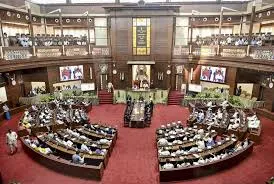
Fewer Sitting Days Despite Higher Legislative Output
The report found that state assemblies met for an average of 24 days during the year. While this marked an improvement from 21 days in 2024 and 23 days in 2023, the figure remained significantly below the number of sitting days many legislatures have prescribed through rules and procedures.
Among all states, Odisha recorded the highest number of assembly sittings with 43 days. At the other end of the spectrum, Nagaland’s legislature met for only seven days. The findings suggest that although legislative activity increased, opportunities for detailed debate remained limited in several states.
Jharkhand Continues Without Deputy Speaker
One of the notable observations in the review concerned Jharkhand, where the legislative assembly has functioned for more than two decades without appointing a deputy speaker. Article 178 of the Constitution requires every state assembly to have both a Speaker and a Deputy Speaker. The absence of a full-time deputy speaker for such an extended period has drawn attention to compliance with constitutional provisions.
Bills Cleared Quickly With Limited Examination
The study revealed that nearly 30 percent of bills introduced during 2025 were passed on the same day they were tabled in the assembly. In several states and Union Territories, including Andhra Pradesh, Bihar, Gujarat, Jharkhand, Mizoram, Puducherry and Punjab, every bill was approved either on the day of introduction or the following day.
Committee scrutiny remained uncommon. Fewer than five percent of bills were referred to committees for detailed examination before being passed. Karnataka stood out for approving 17 bills during a single sitting, reflecting the pace at which legislative business was conducted in some states.
Significant Differences in Budget Discussions
Budget deliberations also varied widely across the country. On average, assemblies spent eight days discussing annual financial proposals. Tamil Nadu devoted 27 days to budget discussions, making it one of the most extensive exercises in fiscal review among states.
Punjab, however, completed its budget discussions in only two days. Goa, Haryana and Tamil Nadu ensured that all proposed government expenditure was presented before legislators for debate. In contrast, Assam discussed only 23 percent of planned expenditure, indicating substantial differences in financial oversight practices.
Governor Assent and Rise in Ordinances
The review showed that governors approved 66 percent of bills within one month of their passage. Nearly 94 percent received assent within three months, indicating relatively timely processing of legislation after assembly approval.
States also relied more frequently on ordinances in 2025. A total of 127 ordinances were issued during the year, compared with 100 in 2024, representing a 27 percent increase. Matters related to local governance accounted for the largest share, followed by education-related subjects.
Key Legislative Themes Across States
Local governance, education and taxation emerged as the dominant areas of lawmaking, together accounting for almost half of all bills introduced during the year. Thirteen states established new universities through legislative action.
Several states also pursued regulatory and legal reforms. Karnataka and Tamil Nadu introduced measures aimed at addressing coercive practices by microfinance operators. A number of governments adopted Jan Vishwas-inspired reforms that replaced certain criminal penalties with civil penalties.
Meanwhile, Karnataka introduced legislation addressing hate speech, hate crimes and crowd management. Assam enacted an anti-polygamy law and approved a provision reserving 25 percent of seats in private universities for students from the state.