
LegalNews – Supreme Court Questions Lawyers’ Role in Sabarimala PIL Hearing
LegalNews – The Supreme Court on Tuesday sharply questioned the role of the Indian Young Lawyers Association (IYLA) in filing a public interest litigation related to the entry of women into Kerala’s Sabarimala Temple. During the hearing, the court raised concerns about the growing misuse of PILs and asked whether such petitions were being filed for genuine public causes or for other interests.
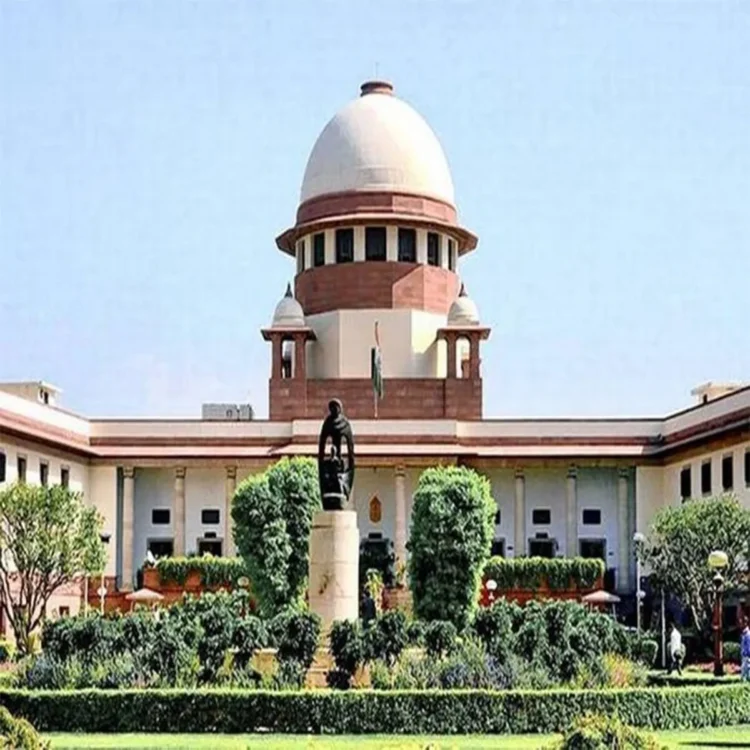
Court Raises Questions Over PIL Motive
A nine-judge Constitution bench, while hearing a group of review petitions connected to religious practices and women’s entry into places of worship, criticised the 2006 petition filed by the IYLA. The bench questioned the association’s involvement in the matter and suggested that professional legal bodies should focus more on legal welfare and support for younger members of the bar.
Justice B V Nagarathna remarked during the proceedings that legal associations should prioritise strengthening the justice system instead of pursuing such litigations. The court also expressed dissatisfaction over the basis on which the original petition was filed.
Bench Calls Attention to PIL Misuse
The Constitution bench observed that public interest litigation has increasingly drifted away from its original purpose. According to the judges, PILs are sometimes being used for publicity, political motives, or personal interests rather than genuine social concerns.
The court stated that such practices weaken the true spirit of PILs, which were introduced to provide access to justice for disadvantaged and vulnerable sections of society. The judges noted that courts have historically entertained PILs to address pressing public welfare matters, not simply because issues were discussed in newspaper reports.
Newspaper Reports Triggered Original Petition
Advocate Ravi Prakash Gupta, appearing for the Indian Young Lawyers Association, informed the bench that the original plea was based on newspaper reports published in June 2006 regarding restrictions on women between the ages of 10 and 50 entering the Sabarimala Temple.
Responding to the submission, the bench questioned whether media reports alone could become sufficient grounds for initiating a PIL in the Supreme Court. The judges observed that newspaper articles should not automatically lead to constitutional litigation unless supported by substantial legal grounds and direct public impact.
Chief Justice of India Surya Kant reportedly stated during the hearing that the petition could have been rejected at the initial stage itself. The court added that relying entirely on media coverage for filing PILs could create unnecessary legal proceedings.
Wider Religious Freedom Issues Under Review
The ongoing hearings are not limited only to the Sabarimala issue. The Constitution bench is also examining broader legal questions connected to religious freedom, gender equality, and practices followed by different faiths across the country.
The matter involves reviewing the extent to which courts can examine customs and religious traditions under constitutional principles. The hearing remained incomplete on Tuesday and is expected to continue further.
Apart from Chief Justice Surya Kant and Justice B V Nagarathna, the bench also included Justices M M Sundresh, Joymalya Bagchi, and Ahsanuddin Amanullah.
The Sabarimala matter has remained one of the most discussed constitutional and religious disputes in recent years, drawing national attention on questions related to faith, equality, and judicial intervention in religious practices.