
Legal – ED Challenges Acquittal of Kejriwal in Summons Case
Legal – The Enforcement Directorate (ED) has approached the Delhi High Court to contest the acquittal of former Delhi chief minister Arvind Kejriwal in cases related to non-compliance with summons issued in connection with the excise policy investigation.
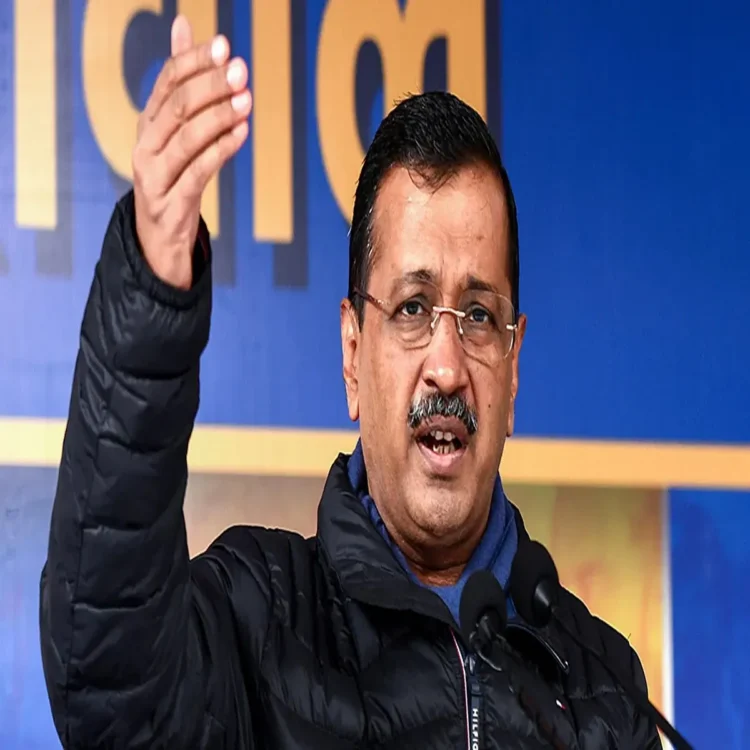
ED Moves High Court Against Trial Court Order
The Enforcement Directorate filed an appeal on Monday questioning a trial court’s decision that cleared Kejriwal of allegations tied to ignoring official summons. The agency has argued that the former chief minister deliberately chose not to respond to multiple notices issued during the course of its investigation into the now-scrapped excise policy.
According to the ED, Kejriwal’s actions amounted to a conscious refusal to cooperate. The agency has maintained in its appeal that he not only failed to appear before investigators but also raised objections that lacked merit, which, it claims, were intended to delay or avoid participation in the probe.
The matter is expected to be heard by Justice Swarana Kanta Sharma of the Delhi High Court later this week. The outcome could determine whether the earlier acquittal will stand or be reconsidered.
Trial Court Cited Lack of Proof
The ED’s appeal challenges a January 22 ruling in which the trial court dismissed its complaint. The lower court had concluded that there was insufficient evidence to establish that Kejriwal had intentionally disobeyed the summons issued to him.
In its reasoning, the trial court observed that the prosecution had not successfully demonstrated “wilful non-compliance,” a key requirement for sustaining the charges. This finding became the basis for acquitting Kejriwal in the two cases filed by the ED.
The agency, however, has argued that the court overlooked crucial aspects of the case, including what it describes as a pattern of avoidance. The ED now seeks a fresh evaluation of the evidence and a reversal of the earlier verdict.
Ongoing Proceedings in Money Laundering Case
Separately, Kejriwal remains on interim bail in a money laundering case linked to the same excise policy matter. The Supreme Court is currently examining broader legal questions surrounding the justification for his arrest.
The apex court has referred the issue of “need and necessity of arrest” to a larger bench, indicating that the matter involves significant legal considerations that may have wider implications for similar cases in the future.
This ongoing scrutiny adds another layer of complexity to the legal challenges surrounding the former chief minister.
Related CBI Case Still Pending
In a parallel development, a separate corruption case registered by the Central Bureau of Investigation (CBI) has also seen significant movement. On February 27, a trial court discharged Kejriwal, former deputy chief minister Manish Sisodia, and 21 others in connection with the alleged irregularities in the liquor policy.
The CBI has since challenged that discharge order in the Delhi High Court, where the matter is still awaiting a final decision.
While granting the discharge, the trial court had emphasized that its role was not to support prevailing narratives or deliver convenient outcomes but to uphold the principles of law based on evidence presented before it.
Legal and Political Implications
The ED’s latest move signals that the legal battle over the excise policy is far from over. With multiple cases progressing simultaneously in different courts, the situation continues to evolve.
The High Court’s upcoming hearing on the ED’s appeal is likely to be closely watched, as it could influence not only this specific case but also related proceedings involving similar allegations.
As the legal process unfolds, the focus remains on judicial interpretation, evidence, and procedural compliance, all of which will shape the final outcome of these high-profile cases.