
LabourWelfare – Delhi Plans Service Centres to Support Construction Workers
LabourWelfare – The Delhi government is preparing to introduce a network of dedicated service centres aimed at improving access to welfare schemes for construction workers across the city.
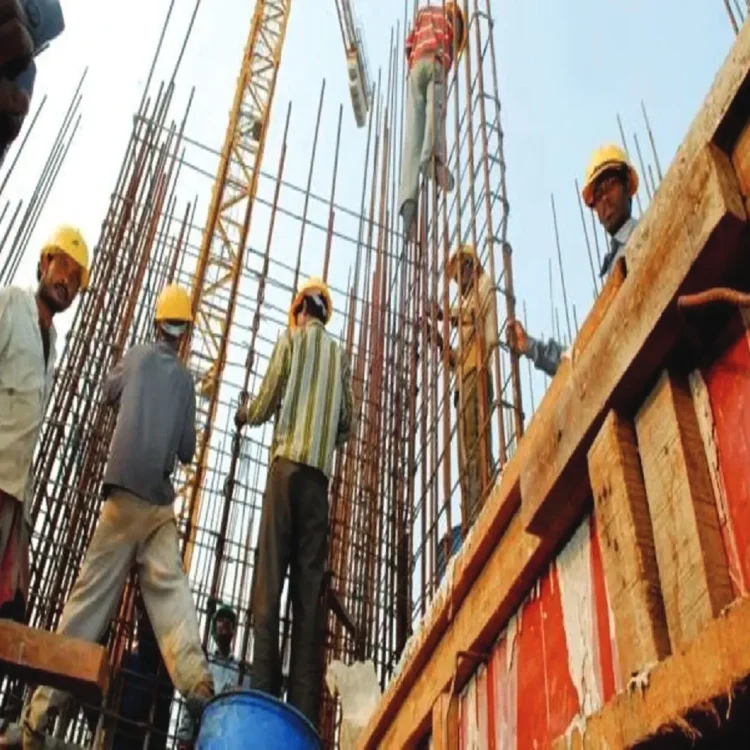
The initiative, titled Karmik Sewa Kendras (KSKs), is designed to streamline the process of registration and service delivery for workers, particularly those employed in the construction sector. These centres will function on a model similar to the Passport Seva Kendras, which have been widely recognised for modernising public service access in India. Officials believe this approach will help simplify procedures and ensure that benefits reach eligible workers more efficiently.
Plan to Establish Static and Mobile Centres
Authorities have begun the process of selecting an agency that will be responsible for designing and implementing the project. As part of the plan, 13 permanent centres and an equal number of mobile units will be developed. These facilities are intended to reach both migrant labourers and local workers, many of whom face challenges in accessing government services due to documentation issues or lack of awareness.
The inclusion of mobile centres is expected to extend services to areas where workers are concentrated but lack easy access to administrative offices. This step aims to reduce the gap between workers and welfare schemes by bringing services closer to their workplaces and living areas.
Focus on Large Workforce and Vulnerable Groups
The project is expected to benefit nearly 30 lakh individuals, with a particular focus on vulnerable sections such as migrant labourers and those working in the unorganised sector. These groups often struggle to navigate administrative processes, making it difficult for them to register and claim benefits.
To further strengthen the system, the selected agency will also develop 39 Labour Chowks across Delhi. Each of the city’s 13 districts will have three such facilities, creating a wider support network that complements the KSK centres.
Addressing Long-Standing Challenges
Officials have noted that the idea of setting up these centres emerged from ongoing difficulties faced by workers in accessing welfare services. Complicated procedures, long waiting times, and limited awareness have often prevented eligible individuals from receiving support.
By introducing a structured network of service centres, the government aims to remove these barriers. The system is expected to offer time-bound registration, better record management, and a more transparent process for workers seeking assistance.
Learning from a Proven Model
The KSK initiative draws inspiration from the Passport Seva Kendra framework, which significantly improved the delivery of passport services in the country. According to officials, replicating this model in the labour welfare sector could lead to similar improvements in efficiency and user satisfaction.
The planned centres will focus on creating a more organised and responsive system. With clearly defined procedures and improved infrastructure, workers are expected to experience quicker processing times and more reliable service delivery.
Technology and Tracking for Better Services
In addition to physical centres, the project will incorporate technology-driven solutions to enhance accessibility. Self-service kiosks will be installed to assist workers with basic tasks such as registration and information access.
The centres will also maintain detailed records of each worker’s engagement with welfare schemes. This includes tracking medical check-ups, distribution of essential kits, and records of Direct Benefit Transfers. Such monitoring is expected to ensure that benefits are delivered consistently and that workers remain informed about their entitlements throughout their membership.
Expected Impact on Worker Welfare
With a structured system in place, the government aims to improve overall service standards and reduce delays that workers currently face. The initiative is also expected to increase awareness about available schemes, enabling more workers to take advantage of welfare programs designed for their benefit.
By focusing on accessibility, efficiency, and transparency, the Karmik Sewa Kendras could play a key role in strengthening labour welfare infrastructure in Delhi and ensuring that support reaches those who need it most.