
Justice – Delhi High Court Clarifies EWS Quota Not Equal to Reserved Categories
Justice – The Delhi High Court has ruled that candidates from the Economically Weaker Sections (EWS) cannot be treated on par with those belonging to Scheduled Castes (SC), Scheduled Tribes (ST), and Other Backward Classes (OBC) when it comes to age relaxation and attempt limits in government recruitment.
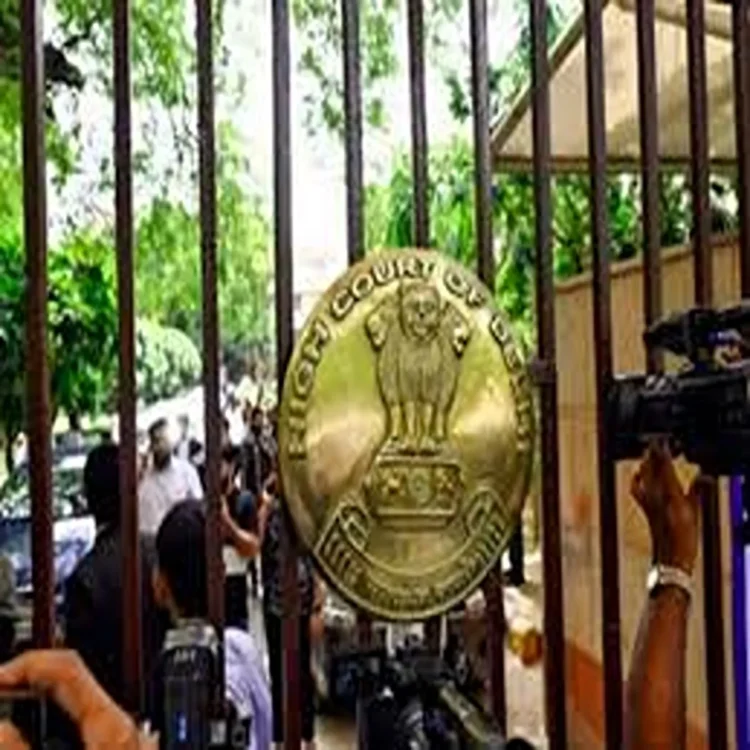
The court’s observation came while dismissing a petition filed by several EWS candidates who had sought similar benefits as those provided to SC, ST, and OBC applicants in central government jobs.
Court Highlights Fundamental Difference in Categories
A bench comprising Justices Anil Kshetarpal and Amit Mahajan underlined that the EWS category operates on a distinctly different basis compared to traditional reservation groups. The judges noted that while EWS classification is based solely on financial hardship, SC, ST, and OBC categories address deep-rooted social and historical disadvantages.
According to the court, economic hardship, though significant, does not carry the same long-term societal impact as caste-based discrimination. The judges emphasized that economic status can change over time, unlike caste identity, which is determined at birth and remains constant throughout a person’s life.
Petition Sought Equal Relaxation Benefits
The petitioners had argued that EWS candidates should receive the same relaxation in the upper age limit and the number of permissible attempts in competitive examinations as granted to SC, ST, and OBC candidates. They contended that financial disadvantage also creates barriers that justify similar concessions.
However, the court rejected this argument, stating that the nature of challenges faced by EWS individuals differs significantly from those encountered by historically marginalized communities. The bench pointed out that reservations for SC, ST, and OBC groups were introduced to address systemic exclusion and social stigma that persist across generations.
Economic Hardship Seen as Changeable Condition
In its reasoning, the court clarified that the EWS category, introduced through a constitutional amendment in 2019, focuses exclusively on financial limitations. It does not account for social discrimination or historical injustices.
The judges explained that while financial difficulties can restrict opportunities, they are not permanent. Individuals may move out of economic hardship over time, which makes it fundamentally different from caste-based disadvantages that are inherited and enduring.
The bench observed that equating these two forms of disadvantage would overlook the original purpose behind caste-based reservations, which is to ensure representation and correct historical imbalances.
Legal Stand Reinforces Policy Distinction
The ruling reinforces the legal distinction between economic and social reservations within India’s affirmative action framework. By refusing to extend similar benefits to EWS candidates, the court has reaffirmed that each category serves a unique purpose.
The judgment also signals that policy decisions regarding reservations must consider the underlying reasons for classification rather than applying uniform standards across all groups.
Broader Implications for Recruitment Policies
This decision may influence how future recruitment policies are structured, particularly in balancing economic and social considerations. It also clarifies that while EWS reservations provide opportunities for financially weaker individuals, they do not automatically entitle candidates to the same concessions designed for historically disadvantaged communities.
Legal experts believe the judgment could guide future cases involving demands for expanded benefits under the EWS category, ensuring that distinctions between different reservation frameworks remain intact.