
Judiciary – Supreme Court Pushes High Courts to Form Dispute Resolution Panels
Judiciary – The Supreme Court on Monday called upon High Courts across the country to establish grievance redressal committees at the state, district, and taluka levels to address conflicts arising between lawyers and judges in a timely and peaceful manner.
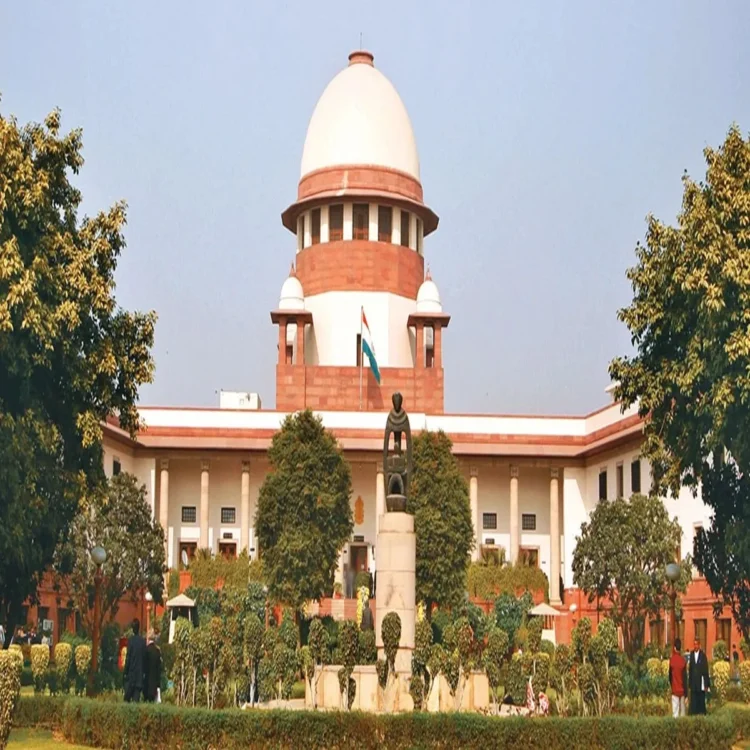
The direction came from a Bench headed by Chief Justice of India Surya Kant along with Justice Joymalya Bagchi while hearing matters linked to a recent courtroom dispute in the Andhra Pradesh High Court involving Justice Tarlada Rajasekhar Rao and a young advocate. The apex court stressed that a structured mechanism involving representatives from Bar Councils and Bar Associations could help avoid unnecessary friction between the Bench and the Bar.
Supreme Court Advocates Institutional Mechanism
The Bench observed that formal committees would strengthen communication and improve coordination between judicial officers and members of the legal fraternity. According to the court, such platforms could resolve disagreements before they escalate into larger controversies.
The judges noted that these grievance panels should not remain limited to High Courts alone and must also function at district and taluka court levels. The court said these committees could ensure disputes are handled “amicably and effectively” at the earliest possible stage.
Andhra Pradesh Incident Resolved Amicably
The Supreme Court was dealing with two suo motu petitions connected to the Andhra Pradesh courtroom episode that recently drew attention after a video clip circulated online. However, the Bench clarified that no additional action was required because the issue had already been settled through discussions involving the Chief Justice of the Andhra Pradesh High Court and the state advocates’ association.
During the proceedings, the apex court explained that the misunderstanding arose during arguments over legal precedents cited before the judge. According to the Bench, a file accidentally slipped during the exchange, which was perceived differently in the heat of the moment.
The court further clarified that the remarks made during the hearing did not result in any enforceable judicial order and therefore did not justify further intervention from the Supreme Court.
Focus on Encouraging Young Lawyers
Senior advocate and Supreme Court Bar Association President Vikas Singh told the Bench that a long-term institutional solution was necessary to prevent similar incidents in future. He also highlighted the importance of creating a supportive environment for young legal professionals entering the profession.
Responding to the submissions, the Supreme Court said judicial officers across all levels were being sensitised to interact constructively with junior advocates. The Bench observed that judges must display patience, understanding, and encouragement, particularly while dealing with young members of the Bar.
The court also underlined that maintaining discipline and professional ethics was not solely the responsibility of senior advocates. According to the judges, both the Bench and the Bar share equal responsibility in shaping lawyers who value integrity and recognise their role as officers of the court.
Strengthening the Legal Profession
The Supreme Court emphasised that the quality and effectiveness of the judiciary ultimately depend on the continued growth and development of the legal profession. It noted that encouraging fresh law graduates to practice in trial courts was essential for strengthening the justice delivery system in the long run.
The Bench added that nurturing competent advocates at the grassroots level would contribute significantly to maintaining high standards within the judiciary.
Court Warns Against Misleading Video Circulation
The apex court also expressed concern over the circulation of incomplete courtroom video clips on social media and other platforms. It warned that sharing visuals without context could create unfair public perception and negatively affect the administration of justice.
The judges said media organisations carry an important responsibility while reporting court-related developments and should ensure that information is presented carefully and accurately. At the same time, the court acknowledged the role played by legal journalists in informing the public responsibly and described their contribution as an important public service.
High Court Committee Already Formed
During the hearing, the Supreme Court revealed that it had sought a report from the Andhra Pradesh High Court after the matter came to its attention. The report reportedly stated that the viral video lacked complete context and confirmed that the issue had been resolved satisfactorily with the involvement of the High Court Bar Association.
The report also mentioned that the Andhra Pradesh High Court had already formed a five-judge committee aimed at maintaining healthy and professional relations between advocates and judges.