
Investigation – Delhi High Court Questions Police Over Activists Detention Claims
Investigation – The Delhi High Court on Thursday sharply questioned the conduct of the Delhi Police over allegations that several activists, including students, were unlawfully detained and subjected to mistreatment last month. The court signaled that it may recommend a probe by the Central Bureau of Investigation if a satisfactory explanation is not provided.
Court Raises Concerns Over Alleged Custodial Actions
A division bench comprising Justices Navin Chawla and Ravinder Dudeja expressed concern over what it described as serious accusations of illegal detention and torture. The judges emphasized that such practices cannot be justified under any circumstances, regardless of the nature of the investigation.
The bench asked the police to clearly outline what steps had been taken in response to these allegations. It stressed that coercive methods cannot be used as tools of interrogation and must not replace due legal process.
Emphasis on Following Legal Procedure
During the hearing, the court underscored that adherence to procedure established by law is fundamental. It questioned the police’s approach, stating that individuals cannot be detained merely on the basis of accusations without following due process.
The judges pointed out that even if there were grounds for suspicion, the law provides a structured method for investigation. Any deviation from these procedures, they noted, would raise serious constitutional concerns. The court made it clear that it is not evaluating the severity of the allegations against the individuals, but rather whether the correct legal framework was followed.
Warning of Possible CBI Inquiry
The bench indicated that if the authorities fail to demonstrate appropriate action, the matter could be escalated for an independent investigation. Without passing any immediate judgment, the court observed that the nature of the accusations warrants careful examination.
It warned that continued dissatisfaction with the police response could lead to a recommendation for a probe by the Central Bureau of Investigation, highlighting the gravity of the situation.
Police Report Found Inadequate
The observations came after the court reviewed a status report submitted by the Delhi Police, which denied all allegations. However, the bench found the report lacking in detail and clarity, describing it as unsatisfactory.
The court has now directed the police to present the complete case records at the next hearing scheduled for May 19. This move indicates that the bench intends to closely examine the sequence of events and the actions taken by law enforcement authorities.
Background of the Case
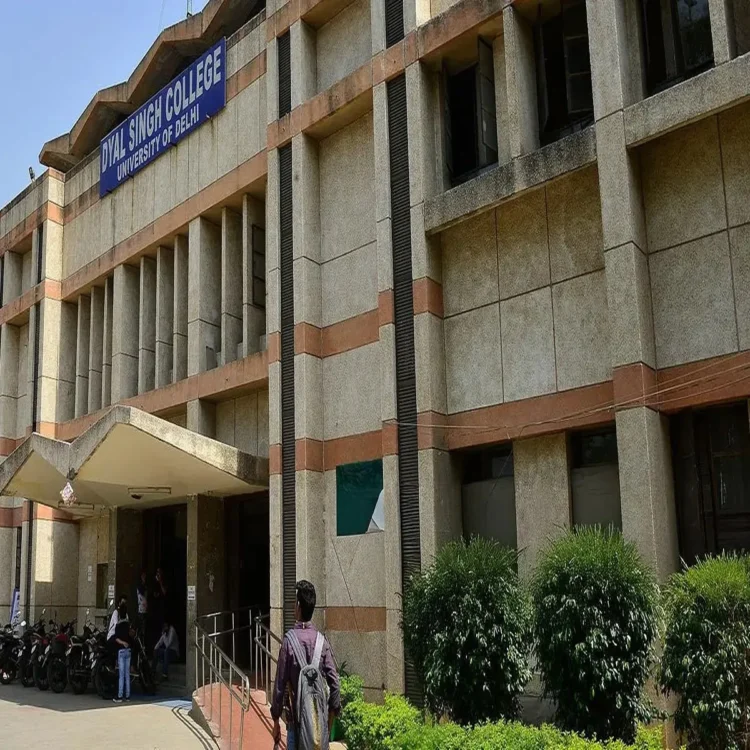
The matter relates to multiple petitions filed before the court, including one by the sister of Lakshita Rajoura. The petitions allege that several students and activists were taken into custody without proper documentation from locations such as Dayal Singh College and Vijay Nagar in March.
According to the claims, some individuals were allegedly transported to an unidentified facility in New Friends Colony, where they were held without formal charges or legal access. These assertions have raised questions about transparency and accountability in police operations.
Police Deny Allegations
In its defense, the Delhi Police has rejected all accusations, stating that the claims of illegal detention and custodial abuse are fabricated. The police have argued that the allegations are intended to obstruct an ongoing investigation into suspected links with extremist activities.
Despite this, the court maintained that even in cases involving serious security concerns, authorities must operate strictly within the bounds of the law. It reiterated that procedural safeguards are essential and cannot be overlooked.
Next Steps in Proceedings
With the next hearing approaching, the focus will remain on whether the police can provide a more comprehensive explanation supported by evidence. The court’s insistence on accountability reflects the broader importance of upholding constitutional protections in all circumstances.
The outcome of this case may have wider implications for how investigative agencies conduct operations, particularly in cases involving sensitive allegations.