
Infrastructure – Wildlife Corridors Under Delhi-Dehradun Expressway Show Encouraging Results
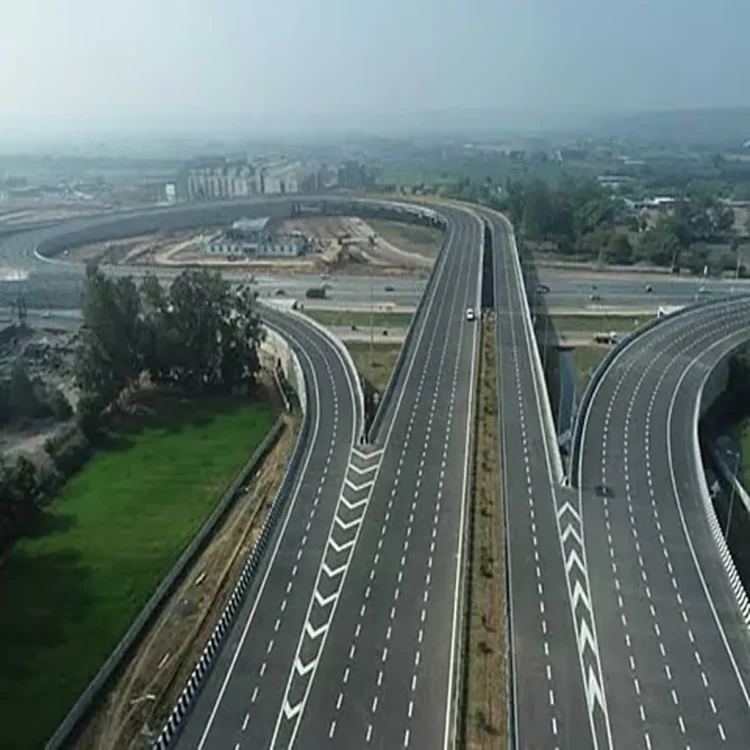
Infrastructure – A recent joint assessment has revealed promising signs of wildlife movement beneath the elevated portion of the Delhi–Dehradun Expressway that cuts through Rajaji National Park. The study, carried out by the National Highways Authority of India and the Wildlife Institute of India, highlights how carefully designed infrastructure can support both development and ecological balance.
Study Finds Active Use of Underpasses by Multiple Species
The report, titled Landscapes Reconnected, is based on analysis of more than 110,000 images captured through camera traps installed along the corridor. Researchers documented at least 18 different species using the specially built underpasses to move across the forest landscape.
Among the frequently observed animals were golden jackals, nilgai, sambar deer, and spotted deer. These species appeared to be regularly navigating through the passageways, indicating that the structures are functioning as intended.
Officials involved in the project described the findings as a meaningful step forward. They noted that the initiative demonstrates how infrastructure projects can be aligned with environmental preservation goals when proper planning is involved.
Elephant Movement Highlights Corridor Effectiveness
One of the most notable findings from the study was the recorded movement of elephants through these underpasses. Researchers documented around 60 instances of elephants using the corridor, a significant indicator of success given the species’ sensitivity to human disturbances.
Elephants are known to require large, uninterrupted habitats, and their willingness to use these passages suggests that the design has effectively minimized disruption. The presence of such large mammals also indicates that the corridors are accessible and safe for a wide range of wildlife.
Strategic Design Across a Diverse Landscape
The research focused on an 18-kilometre section of the expressway between Ganeshpur and Asharodi. This stretch passes through ecologically rich terrain that supports several endangered and sensitive species, including tigers, elephants, greater hornbills, and king cobras.
To better understand wildlife movement, the area was divided into three zones. These zones cover a variety of natural features, including riverbeds, hilly sections, and dense sal forests within the Shivalik range. This diversity allowed researchers to study how animals interact with different environments along the corridor.
Importantly, the stretch includes nearly 11 kilometres of dedicated animal underpasses. These structures have been integrated into the design of the 210-kilometre-long expressway, which is expected to improve connectivity between Delhi and Dehradun while maintaining ecological considerations.
Noise Management Emerges as a Key Factor
The study also emphasized the importance of managing sound levels in ensuring successful wildlife movement. Researchers found that some species, such as golden jackals and wild boars, have adapted relatively well to traffic noise.
However, more sensitive animals, including elephants and spotted deer, showed a preference for quieter sections of the corridor. This finding highlights the need for targeted interventions to reduce noise in critical areas.
Officials suggested that installing sound barriers and implementing other noise-reduction techniques in high-activity zones could further improve the effectiveness of the underpasses. Such measures would help create a more natural environment, encouraging wider use by different species.
A Model for Future Infrastructure Projects
The findings from this study offer valuable insights for future infrastructure development across environmentally sensitive regions. By incorporating wildlife-friendly features into project planning, authorities can reduce habitat fragmentation and support biodiversity conservation.
The Delhi–Dehradun Expressway project stands as an example of how engineering and ecology can work together. As similar projects are planned across the country, lessons from this initiative could help shape more sustainable approaches to development.