
Infrastructure – Polavaram Project Advances as Key Irrigation Work Gains Momentum
Infrastructure – The Polavaram irrigation project in Andhra Pradesh is moving ahead at a steady pace, with construction activities accelerating across key sections of the site.
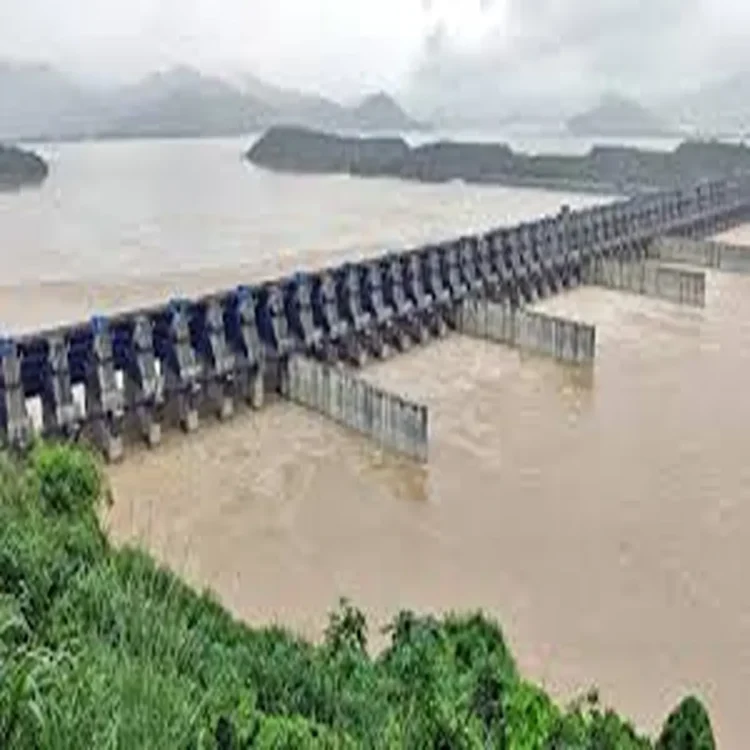
The large-scale Polavaram initiative, located in Andhra Pradesh’s Polavaram district, is steadily progressing as authorities push forward with its construction. Designed as a multipurpose project, it aims to address irrigation demands, provide drinking water, and support electricity generation for the region. Officials have indicated that work is being carried out with increased coordination to meet planned timelines.
Government Push to Expedite Work
Chief Minister Nara Chandrababu Naidu has directed concerned departments to ensure that construction moves forward without delays. According to officials, regular reviews are being conducted to monitor progress and resolve any technical or administrative challenges. The state government considers the project a priority due to its long-term benefits for agriculture and water security.
Strategic Importance of the Project
The Polavaram Irrigation Project is regarded as one of the most significant water infrastructure efforts in India. Built on the Godavari River, it is intended to serve multiple purposes, including irrigation expansion, flood control, and hydropower generation. By effectively utilizing the river’s water resources, the project is expected to strengthen the region’s agricultural base while also improving water availability for domestic use.
Engineering Scale and Design Features
At the center of the project is the Polavaram Dam, which is set to become one of the largest dams in the country once completed. A major highlight of the structure is its massive spillway, designed to handle high flood discharge levels. Engineers have noted that the dam’s scale and design place it among the most ambitious infrastructure projects currently underway in India.
One of the distinguishing aspects of this initiative is its role in river linking. It represents the country’s first major gravity-based project connecting the Godavari River with the Krishna River. This interlinking is expected to improve water distribution across regions that often face shortages, enhancing overall resource management.
Benefits for Agriculture and Flood Management
The reservoir created by the dam will have a significant storage capacity, enabling irrigation across vast stretches of farmland. Farmers in multiple districts are expected to benefit from improved and more reliable water supply, which could enhance crop yields and agricultural productivity.
In addition to irrigation, the project is designed to reduce the impact of floods in the Godavari Delta. By regulating water flow during peak seasons, the dam can help protect low-lying areas from severe flooding, thereby safeguarding livelihoods and infrastructure.
Power Generation and Dual Functionality
Another key component of the Polavaram project is its hydropower facility, which is expected to generate around 960 megawatts of electricity. This will contribute to the state’s energy capacity and support economic development.
The project also incorporates an innovative design approach. Unlike conventional setups where powerhouses are directly connected to spillways, Polavaram features a right-side spillway and a left-side power generation unit. This unique configuration reflects a specialized engineering strategy tailored to the site’s requirements.
An important advantage of this design is its ability to generate power even during flood conditions. Additionally, during non-flood periods, water released through the power system can be utilized for irrigation in the delta regions, ensuring year-round utility.
Outlook for Completion
With construction progressing and administrative oversight in place, the Polavaram project is expected to play a transformative role in Andhra Pradesh’s water management system. Once completed, it is likely to strengthen irrigation networks, enhance energy production, and provide long-term resilience against water-related challenges.