
Infrastructure – Delhi-Dehradun Expressway Set to Transform Travel Time and Connectivity
Infrastructure – Prime Minister Narendra Modi is set to inaugurate a newly constructed expressway that is expected to significantly improve travel efficiency between the national capital and Dehradun.
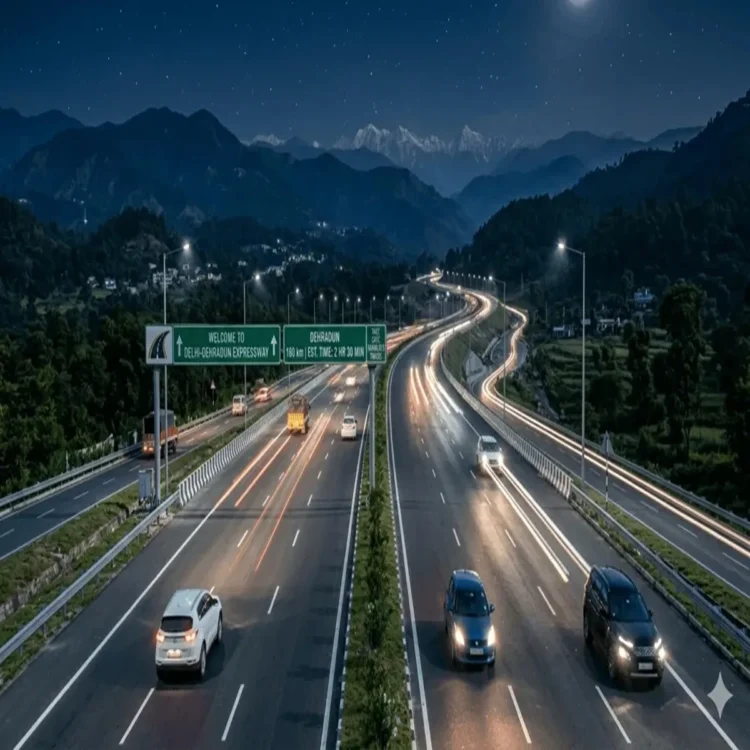
The 210-kilometre-long Delhi-Dehradun expressway will be officially opened on Tuesday, marking a major development in India’s road infrastructure network. Designed as a six-lane, access-controlled corridor, the highway is projected to reduce travel time between the two cities from nearly six hours to approximately two and a half hours.
Route and Key Locations Covered
The expressway begins near Akshardham in Delhi and extends through several districts in Uttar Pradesh, including Baghpat, Muzaffarnagar, Shamli, and Saharanpur. From there, it enters Uttarakhand and concludes in Dehradun. This route has been planned to provide smoother connectivity while also reducing traffic pressure on existing highways.
Officials believe the new corridor will ease congestion in parts of east and northeast Delhi, as well as on the already busy Delhi-Meerut Expressway. By offering an alternative high-speed route, it is expected to improve overall traffic distribution in the region.
Project Cost and Technical Features
Constructed at an estimated cost of Rs 12,000 crore, the expressway has been designed for a speed limit of up to 100 kmph. It includes 10 interchanges to facilitate entry and exit at multiple points, ensuring accessibility for travelers across different regions.
The project also features three railway overbridges and four major bridges, along with 12 designated wayside amenities for commuters. These facilities are intended to improve travel convenience and support long-distance journeys with essential services.
An Advanced Traffic Management System has been integrated into the expressway to enhance road safety and ensure smoother traffic flow. This system is expected to help monitor vehicle movement and respond quickly to any disruptions.
Focus on Environmental Protection
One of the key aspects of the project is its focus on ecological balance. The expressway includes a 12-kilometre elevated wildlife corridor, considered among the longest of its kind in Asia. This structure has been designed to allow safe movement of animals across forest areas without interfering with traffic.
In addition, the project includes eight animal underpasses and two specially designed elephant underpasses, each measuring 200 metres. A 370-metre tunnel near the Daat Kali temple has also been constructed to reduce environmental impact and preserve the surrounding landscape.
These measures aim to minimise human-animal conflict while maintaining the natural habitat in the region.
Inauguration Event and Key Attendees
The inauguration ceremony will take place in Dehradun and will be attended by Union Road Transport and Highways Minister Nitin Gadkari. Before the event, the Prime Minister is scheduled to inspect the wildlife corridor near Saharanpur and visit the Jai Maa Daat Kali temple.
Several political leaders, including Delhi Chief Minister Rekha Gupta, Minister of State for Road Transport Harsh Malhotra, and Member of Parliament Manoj Tiwari, are expected to join the event virtually.
Background and Expected Impact
The project received approval in 2020, and its foundation stone was laid in December 2021. Since then, construction has progressed steadily, with authorities emphasizing both speed and sustainability.
Once fully operational, the expressway is expected to boost regional connectivity, support economic activity, and promote tourism between Delhi, Uttar Pradesh, and Uttarakhand. It is also likely to benefit daily commuters and logistics operations by offering a faster and more reliable route.
Officials have highlighted that the project represents a significant step in modernising India’s transport infrastructure while maintaining environmental responsibility.