
Hul Diwas – Amit Shah Pays Tribute to Santhal Revolution Heroes on Historic Remembrance Day
Hul Diwas – Union Home Minister Amit Shah on Tuesday remembered the courageous tribal leaders who led the historic Santhal uprising against British colonial rule, marking Hul Diwas, which is observed every year on June 30. Paying tribute through a post on X, Shah honoured the remarkable contribution of the revolution’s martyrs and acknowledged their enduring role in India’s struggle for freedom and the protection of tribal identity.
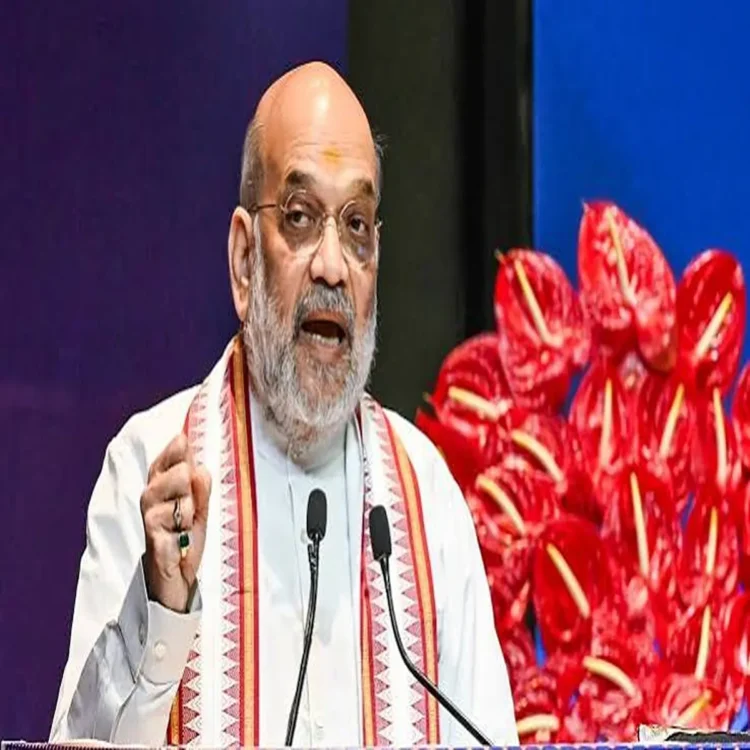
Tribute to the Leaders of the Santhal Uprising
In his message, Amit Shah expressed deep respect for the brave men and women who sacrificed their lives during the Santhal Revolution of 1855. He recalled the extraordinary leadership of Sido Murmu, Kanhu Murmu, Chand Murmu, Bhairav Murmu, along with the fearless sisters Phulo and Jhano, describing them as symbols of courage and resistance against colonial oppression.
According to Shah, the determination displayed by these leaders not only challenged British authority but also inspired countless people to stand against injustice and foreign domination. He said their commitment to protecting the dignity of tribal communities and the nation continues to serve as a guiding force for future generations.
Assam Chief Minister Also Pays Respect
Assam Chief Minister Himanta Biswa Sarma also joined the nationwide remembrance by offering his tributes on Hul Diwas. In his message, he praised the unmatched bravery of Sidho-Kanhu and every warrior who participated in the Santhal Hul.
Sarma noted that the movement represented a determined fight to defend water, forests, and land while opposing injustice and exploitation. He said the sacrifices made by the tribal freedom fighters strengthened India’s larger independence movement and remain an enduring source of inspiration for the country.
Significance of Hul Diwas
Hul Diwas is commemorated annually on June 30 in memory of the Santhal Rebellion, one of the earliest organised movements against British colonial administration in India. The observance honours the uprising launched in 1855 under the leadership of Sidhu Murmu and Kanhu Murmu, who mobilised thousands of Santhals against economic exploitation, unfair taxation, and the loss of traditional land rights.
Historians regard the movement as a significant chapter in India’s freedom struggle because it demonstrated organised resistance against colonial policies before the Revolt of 1857. The rebellion reflected the determination of tribal communities to safeguard their rights, livelihoods, and cultural identity despite overwhelming challenges.
Legacy of the Santhal Revolution
The Santhal Revolution remains an important part of India’s historical narrative, particularly in recognising the contribution of tribal communities to the country’s independence movement. Every year, Hul Diwas provides an opportunity to remember the sacrifices of those who stood against oppression and fought to preserve their land and heritage.
The word “Hul,” derived from the Santhali language, translates to “rebellion” and symbolises the spirit of resistance shown by the Santhal people during one of the most significant tribal uprisings in Indian history. Across different parts of the country, the day is observed through commemorative events, tributes, and public messages that honour the courage and legacy of the revolution’s leaders