
Hormuz – Debate Intensifies Over Strait’s Future After US-Iran Accord
Hormuz – The agreement reached between the United States and Iran has sparked fresh debate over the long-term future of the Strait of Hormuz, a vital shipping route that plays a central role in global energy transportation. Although the recently signed memorandum helped bring an end to nearly four months of tensions between Washington and Tehran, questions continue to emerge about whether the deal could increase Iran’s influence over one of the world’s most strategically important waterways.
Strategic Waterway Under Spotlight
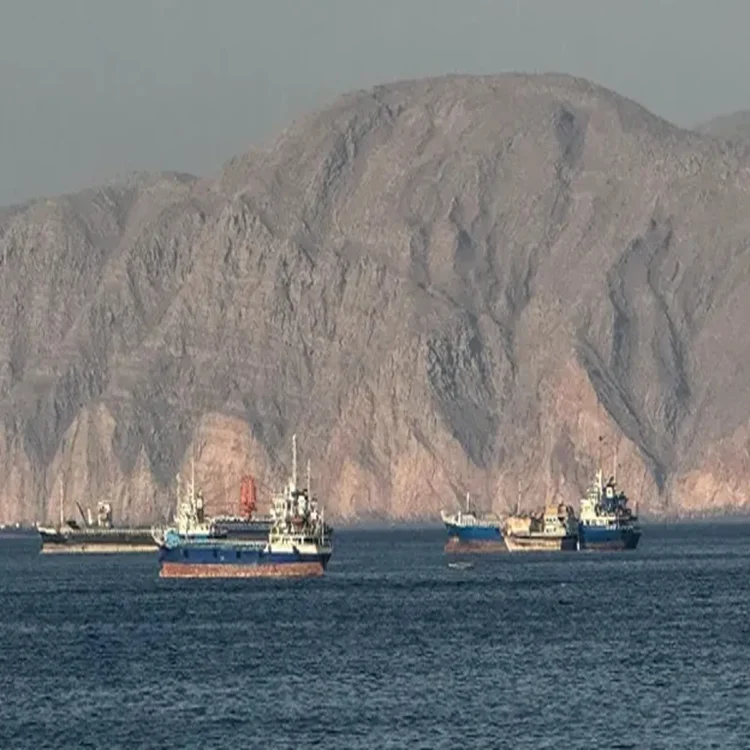
The Strait of Hormuz serves as a key passage for a large share of the world’s crude oil and liquefied natural gas exports. Because of its significance to international trade and energy supplies, any shift in control or influence over the route carries major implications for global markets and regional stability.
Several current and former policymakers, along with energy specialists, have raised concerns that the latest understanding between the two countries could leave Iran in a stronger position regarding activities in the strait. Critics argue that such an outcome may affect the balance of power in the Gulf region for years to come.
Former Officials Express Concerns
Amos Hochstein, who previously advised the White House on energy matters, said the consequences of the agreement could extend beyond diplomatic relations. Speaking during a television interview, he suggested that Iran may seek greater authority over maritime operations in the area, potentially introducing future fees or restrictions affecting commercial shipping.
According to Hochstein, influence over the waterway could allow Tehran to shape the movement of vessels from neighboring Gulf countries, creating additional geopolitical pressure points. He emphasized that control over such a critical route carries both economic and strategic significance.
Defence Experts Warn of Regional Impact
Former US Defence Secretary Mark Esper also voiced concerns regarding the evolving situation. During a separate television appearance, he stated that allowing Iran to gain substantial leverage over the Strait of Hormuz would represent a significant strategic challenge for the United States and its partners.
Esper argued that Tehran may view the strait as an effective instrument of influence, particularly because disruptions in the region can quickly affect global energy supplies and international shipping networks. He warned that the ability to threaten or interfere with traffic through the passage could become a powerful bargaining tool.
Trump Administration Defends Agreement
Officials within President Donald Trump’s administration have rejected claims that the agreement benefits Iran at Washington’s expense. They maintain that negotiations were conducted from a position of strength and insist that Iran continues to face economic, military and diplomatic limitations despite the new arrangement.
US Ambassador to the United Nations Mike Waltz said the international community has repeatedly criticized actions that threaten free navigation in the region. He pointed to broad support at the United Nations for measures condemning activities that interfere with maritime commerce and endanger shipping security.
Possible Response if Diplomacy Fails
Republican Senator Lindsey Graham stressed that the United States would remain prepared to protect freedom of navigation if diplomatic efforts prove unsuccessful. He suggested that Washington would take decisive action to safeguard the waterway and ensure that global trade routes remain open.
His remarks reflected ongoing concerns among lawmakers who view uninterrupted access to the Strait of Hormuz as essential for international economic stability and energy security.
Energy Markets Remain Sensitive
Industry analysts believe the future status of the strait could become just as important as ongoing discussions surrounding Iran’s broader relationship with the international community. Experts note that energy markets continue to react to developments in the Gulf, with investors closely monitoring any signs of renewed instability.
Kevin Book of ClearView Energy Partners said rebuilding energy inventories and restoring market confidence may take time, even if tensions continue to ease. He noted that uncertainty surrounding the region remains a key factor influencing oil prices and global supply expectations.