
Higher Education – JPC Set to Finalise Report on VBSA Bill Before Monsoon Session
Higher Education – Education reform plans are moving closer to Parliament as the Joint Parliamentary Committee reviewing the Viksit Bharat Shiksha Adhishthan Bill, 2025 prepares to approve its report ahead of the monsoon session. The proposed law seeks to create a unified regulator for higher education, replacing several existing statutory bodies.
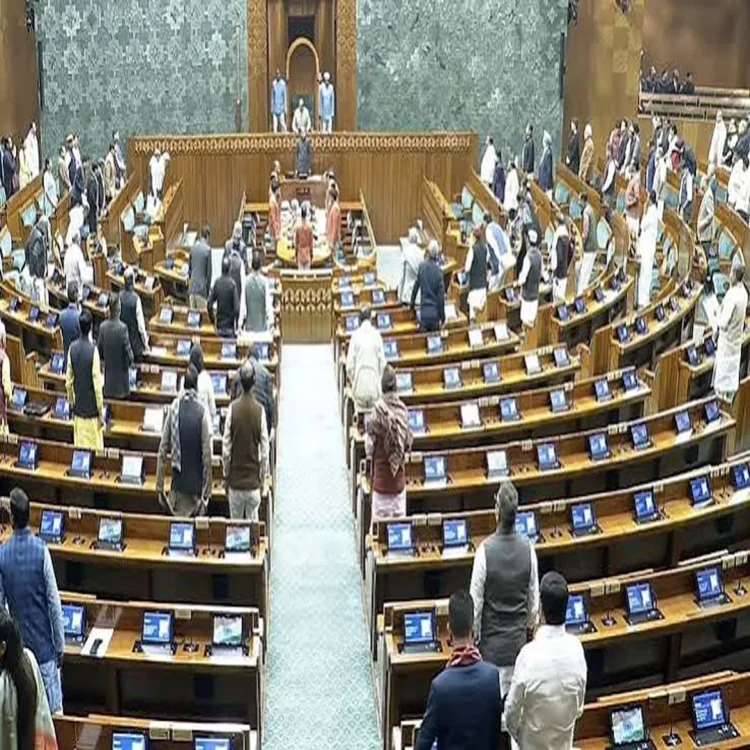
Parliamentary panel likely to meet on July 17
The 31-member committee, led by BJP MP Daggubati Purandeswari, is expected to consider and adopt its draft report at its next meeting on July 17, according to sources familiar with the proceedings. Once the panel completes its work, the government may move ahead with introducing the Bill in Parliament after reviewing the committee’s suggestions.
The legislation was first introduced during the previous winter session and was later referred to the Joint Parliamentary Committee following objections raised by Opposition parties. The Bill proposes a major restructuring of the regulatory framework governing universities, colleges and professional education institutions across the country.
Single regulator proposed for higher education
Under the proposed framework, the new body would take over the roles currently handled by the University Grants Commission, the All India Council for Technical Education and the National Council for Teacher Education. The government has argued that bringing these functions under one authority would reduce duplication, simplify regulation and improve coordination across the higher education sector.
The planned commission would oversee academic standards and regulatory matters, but its role would differ from that of the existing UGC in an important area. It would not be responsible for releasing grants to universities and colleges. Decisions related to funding would remain with the Ministry of Education.
Opposition members prepare dissent notes
Opposition members on the committee are expected to submit dissent notes when the report is taken up for adoption. They have also indicated that they may seek more time for discussion, arguing that the Bill could substantially alter the way higher education institutions are governed.
Several Opposition MPs have raised concerns that the proposed structure may concentrate too much authority at the Centre. They have questioned whether the new system could limit the role of states, weaken institutional independence and increase bureaucratic control over academic institutions.
Clause-by-clause review raises key questions
The committee carried out a detailed clause-by-clause review of the Bill during an eight-hour meeting held on Tuesday. Members from Opposition parties moved a number of amendments and sought changes to provisions dealing with governance, accountability and regulatory powers.
Among the concerns raised were the future of the UGC’s consultative role, the absence of a clear financial framework and the possible impact of the proposed changes on universities and colleges. Some members also called for stronger safeguards to ensure that academic quality is not affected during the transition to a new regulatory system.
States and foreign universities remain part of debate
A section of the panel has sought a formal mechanism to ensure participation by state governments in the proposed regulatory structure. Members have said that state-level representation could help address regional needs and preserve the federal character of education governance.
The committee also discussed the need for clear rules for foreign universities operating in India. Some MPs called for safeguards on quality standards, student protection and fee transparency so that institutions entering the Indian market remain accountable to learners and regulators.
Government cites need to reduce overlap
The government has maintained that the VBSA Bill is intended to streamline the higher education system by removing overlapping responsibilities among multiple regulatory agencies. Supporters of the proposal believe a single authority could bring greater consistency to policy implementation and academic oversight.
However, the final report is expected to reflect differing views within the committee. Its adoption will be a key step before the Bill returns to Parliament, where the proposed overhaul of India’s higher education regulation is likely to face further debate.