
HeritageConservation – Delhi’s Forgotten Monuments Set for Long-Awaited Revival Drive
HeritageConservation – Delhi’s rich architectural legacy is preparing for a significant restoration phase as civic authorities move ahead with plans to conserve several historically important sites that have suffered years of neglect and encroachment.
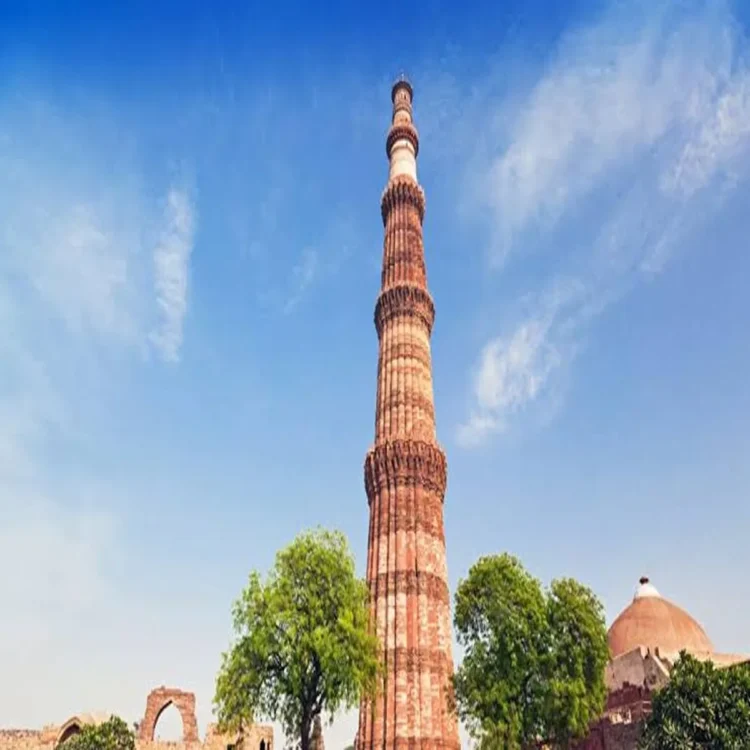
Delhi is often described as a living archive of India’s past, where centuries of political power, cultural transformation, and architectural innovation coexist within a rapidly expanding modern city. From the era of the Delhi Sultanate to the Mughal period and colonial rule, successive generations left behind structures that continue to define the capital’s identity. Yet many of these landmarks now face deterioration, prompting the Municipal Corporation of Delhi (MCD) to launch restoration work for eight Grade I heritage properties, a category reserved for monuments of exceptional historical significance.
Zamrudpur’s Hidden Heritage Faces Renewed Attention
Amid the upscale neighborhoods of South Delhi lies Zamrudpur, an area where fragments of medieval history remain largely unnoticed. Tucked between residential buildings and narrow lanes are four historic structures believed to date back to the Lodi period.
Years of unchecked urban growth have dramatically altered their surroundings. Some of the monuments are now barely visible behind densely packed houses, while others have become surrounded by utility wires, waste accumulation and unauthorized construction. Residents pass these structures daily, often unaware of their historical value.
In several locations, portions of the monuments have been adapted for everyday use. Clotheslines, storage spaces and temporary shelters now occupy areas once associated with medieval architecture. Local residents have gradually integrated these sites into community life, creating a complex challenge for conservation authorities seeking to restore the original character of the structures.
Restoration Efforts May Trigger Local Concerns
The proposed conservation initiative is expected to bring renewed focus to Zamrudpur’s neglected heritage assets. However, some residents who have occupied or utilized portions of the sites for generations may oppose relocation or restrictions linked to restoration activities.
Historical records connect the area to Zamrud Khan, an Afghan noble associated with the Lodi era. Experts believe the surviving monuments represent an important chapter in Delhi’s architectural history, although decades of urbanization have obscured much of their original appearance.
According to heritage officials, preservation work will aim to stabilize the structures, improve visibility and protect them from further damage caused by encroachment and environmental exposure.
Historic Town Hall Awaits New Purpose
Another key project under the restoration plan involves Delhi’s iconic Town Hall in Chandni Chowk. Constructed during the British colonial period between 1861 and 1866, the building served as the headquarters of the Municipal Corporation for nearly one and a half centuries before administrative offices shifted elsewhere.
Despite its architectural significance, the landmark has remained largely unused for years. Structural concerns, including moisture damage, weakened plaster and aging infrastructure, have highlighted the need for urgent intervention.
Authorities envision transforming the restored building into a cultural destination featuring museum spaces, heritage interpretation facilities and public exhibitions focused on the history of Shahjahanabad. Plans are also being explored for cultural events and community programs that could help sustain the site in the future.
Company Bagh Set for Comprehensive Upgradation
Located directly opposite Town Hall, Company Bagh, officially known as Bagh Deewar Park, is also included in broader redevelopment discussions. Once an important public gathering place, the park has gradually lost much of its historical appeal due to inadequate maintenance and growing urban pressures.
Urban planners aim to improve landscaping, pedestrian accessibility, lighting systems and conservation of heritage features. The objective is to create a more welcoming public space while strengthening the historic character of Old Delhi’s cultural district.
Maharaja Agrasen Park Reflects Growing Maintenance Challenges
Maharaja Agrasen Park continues to attract visitors seeking rest from the city’s busy streets. However, sections of the park have faced access restrictions in recent months following security concerns and reports of criminal incidents in the surrounding area.
While gardeners and maintenance staff continue to manage the grounds, authorities have limited public access to certain sections, including the area surrounding the central statue. The park remains a popular stop for commuters and local residents despite these challenges.
Kali Gumti Among Monuments Awaiting Conservation
Inside Hauz Khas Deer Park stands Kali Gumti, a lesser-known monument associated with the Sultanate and Lodi periods. Characterized by its simple yet historically important design, the structure remains an important example of medieval Islamic architecture in Delhi.
Although the monument retains much of its original form, poor cleanliness and inadequate maintenance continue to affect its surroundings. Visitors frequently use the area as a recreational space, adding pressure on a site that requires careful preservation.
Preserving Delhi’s Historical Identity
The upcoming restoration programme reflects a broader effort to safeguard Delhi’s architectural heritage before further deterioration occurs. Conservation experts believe the initiative could help revive public awareness of the city’s historical assets while encouraging responsible management of heritage spaces.
While the eight selected sites represent an important beginning, heritage advocates note that many other monuments across Delhi continue to face similar challenges. Their future will depend on sustained conservation efforts, community cooperation and long-term planning aimed at protecting the capital’s extraordinary historical legacy.