
Heritage – Experts Urge Sensitive Renewal to Protect the Soul of Old Delhi
Heritage – In the heart of Old Delhi, history is not confined to monuments or museums. It continues to shape everyday life through crowded markets, centuries-old neighbourhoods, places of worship and iconic landmarks such as Jama Masjid and the Red Fort. While the Delhi government recently renamed the Shahjahanabad Redevelopment Corporation as the Indraprastha Heritage Redevelopment Corporation, the decision has triggered fresh discussion over whether the city requires a change in identity or a thoughtful strategy to preserve its historic character.
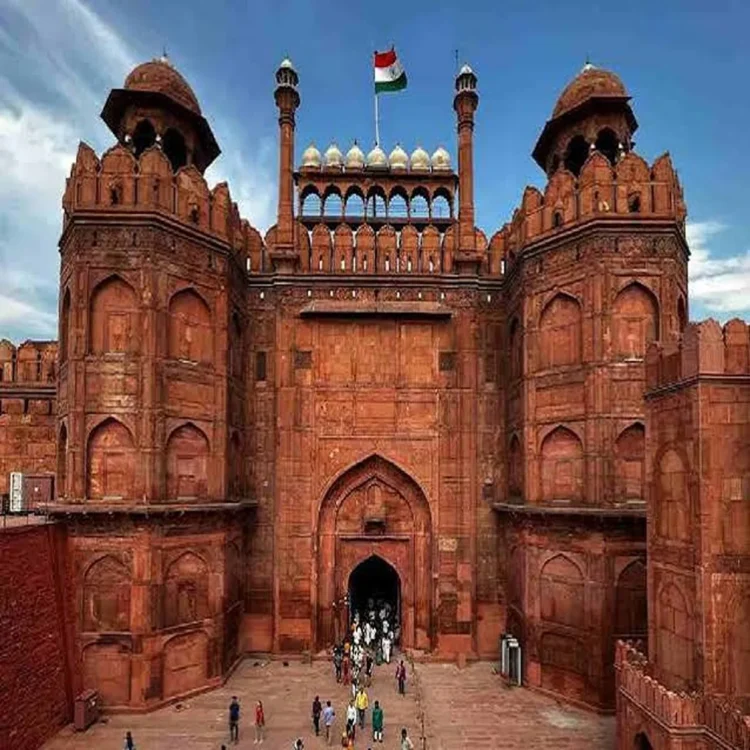
Experts Call for Community-Centred Conservation
Urban planners, architects and historians argue that Shahjahanabad should be treated as a living heritage district rather than a conventional redevelopment project. According to conservation architect and author Anisha Shekhar Mukherji, the old city represents a unique urban experience where history, culture and daily life exist together. She believes future planning should begin by listening to residents instead of imposing large-scale redevelopment plans from above.
Mukherji, who is currently researching the historic area through her project focused on Delhi’s heritage, says every lane and building carries stories that deserve attention. She advocates a people-first model that prioritises local needs, neighbourhood spaces and cultural continuity before broader infrastructure changes are considered.
Preserving Identity Beyond Administrative Changes
The recent renaming of the redevelopment agency has also raised questions among historians about the historical identity of Shahjahanabad. Several scholars believe that altering the name does little to address the deeper issues affecting the old city, including overcrowding, deteriorating infrastructure and inadequate coordination among civic agencies.
Historian Shama Mitra Chenoy has expressed concern over the gradual disappearance of open public spaces that once defined many parts of Old Delhi. She recalled that neighbourhoods which earlier offered room for community interaction are now heavily occupied by commercial activity and unregulated businesses. In her view, conservation efforts should focus on restoring public spaces while protecting the area’s historical significance.
Heritage Should Guide Urban Planning
Historian and heritage expert Swapna Liddle argues that the concept of redevelopment itself requires reconsideration. She believes the narrow streets, courtyard homes, traditional markets and closely built neighbourhoods are the defining strengths of Old Delhi rather than obstacles to modernisation.
Liddle has suggested that planning regulations for Shahjahanabad should differ from those applied elsewhere in Delhi. Instead of encouraging large commercial complexes, she recommends strengthening traditional marketplaces that have supported local trade for generations. According to her, protecting historic bazaars is essential for preserving both the city’s economy and cultural identity.
Urban historian Narayani Gupta has also questioned the renaming exercise, stating that Shahjahanabad possesses a distinct historical identity that should not be replaced without clear historical justification. She believes the city’s heritage deserves recognition based on its own legacy rather than through symbolic administrative changes.
Better Coordination Needed for Meaningful Renewal
Former urban planning experts have pointed to fragmented governance as one of the biggest barriers to effective conservation. Retired urban designer K. T. Ravindran believes the focus should shift from redevelopment to renewal, with an emphasis on protecting the original urban fabric while improving public infrastructure.
Ravindran noted that excessive commercialisation over several decades has altered the physical and social landscape of Old Delhi. He also criticised past planning decisions that ignored the historical context of important public spaces, arguing that future interventions should improve walkability, public amenities and heritage conservation simultaneously.
Several experts also observed that earlier proposals for neighbourhood-based planning failed because of limited funding, overlapping responsibilities and lack of long-term administrative commitment.
Residents Seek Development Without Losing Heritage
Many residents support modern civic improvements but insist that they should complement, rather than replace, the area’s historic character. Local resident Arshad Ali Fehmi believes heritage conservation and development can move forward together if projects respect the architectural identity of the old city. He recommends restoring historic facades, introducing uniform signage, improving traditional street lighting and reducing pollution and traffic congestion.
Resident Zarina Rehman echoed similar views, saying Old Delhi’s greatest strength lies in its centuries-old cultural and architectural legacy. She believes efforts to improve cleanliness, safety and public facilities should enhance residents’ quality of life without compromising the city’s historical identity.
As discussions continue, historians, conservation specialists and local communities remain united on one central message: the future of Shahjahanabad should be built on careful preservation, community participation and sustainable urban renewal rather than symbolic changes alone.