
Heatwave – Relentless High Temperatures Grip Large Parts of India This Week
Heatwave – Large stretches of northern, central and eastern India continue to face intense heat as the India Meteorological Department (IMD) has maintained a red alert for several states this week. The weather agency has warned that prolonged exposure to extreme temperatures may trigger serious health concerns, especially among children, elderly citizens and people already dealing with medical conditions. Authorities have also advised residents to avoid direct sunlight during peak afternoon hours and stay adequately hydrated.
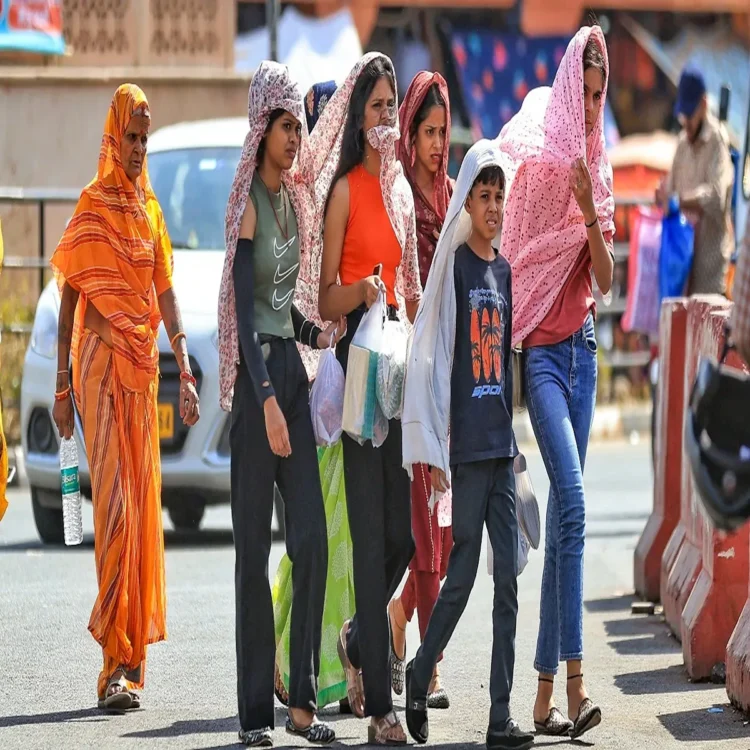
Banda Records Season’s Highest Temperature
Among the worst-affected locations, Banda in Uttar Pradesh emerged as the hottest place in the country over the past two days. The town registered a scorching temperature of 48.2 degrees Celsius, marking one of the most severe heat conditions seen this season. Delhi also witnessed unusually high night temperatures, with the minimum settling at 31.9 degrees Celsius on Thursday. According to weather records, this was the warmest night the national capital has experienced in nearly 14 years.
The continuous rise in temperatures has increased discomfort levels, particularly in urban regions where heat retention remains high even after sunset. Several cities have reported warm nights, making it difficult for residents to find relief from the ongoing heatwave.
Night Temperatures Remain Above Normal
The IMD stated that nighttime temperatures across parts of Odisha, Vidarbha, Himachal Pradesh, Jammu and Kashmir, Bihar, eastern Rajasthan and Uttar Pradesh remained significantly above seasonal averages. In many places, minimum temperatures were recorded between 3.1 and 5 degrees Celsius higher than normal.
Other regions across northwest, central and eastern India also reported above-average temperatures ranging from 1.6 to 3 degrees Celsius. Daytime temperatures in these areas have largely stayed between 40 and 47 degrees Celsius, worsening dry and uncomfortable weather conditions.
States including Uttarakhand, Haryana, Punjab, Madhya Pradesh, Delhi and coastal Andhra Pradesh experienced temperatures exceeding normal levels by more than 5 degrees Celsius. Meteorologists indicated that no immediate drop in daytime temperatures is expected over the coming days.
Health Advisory Issued for Vulnerable Groups
The weather department has urged people to remain cautious as heat-related illnesses such as dehydration, heat exhaustion and heatstroke may increase during this period. Medical experts have advised limiting outdoor activities during the afternoon and consuming sufficient fluids throughout the day.
Special precautions have been recommended for outdoor workers, senior citizens, infants and individuals with chronic illnesses. Authorities are also encouraging local administrations to ensure access to drinking water and cooling facilities in heat-prone districts.
Farmers Asked to Protect Crops
In its latest agrometeorological advisory, the IMD asked farmers in heatwave-affected areas to adopt protective irrigation practices to reduce stress on crops. Agricultural experts recommended light and frequent watering for vegetables such as tomatoes and brinjals, along with moong crops, onion nurseries, fruit orchards, cotton fields and summer fodder cultivation.
The prolonged heat has raised concerns over soil moisture loss and potential damage to standing crops. Farmers have also been advised to monitor livestock carefully and provide adequate shade and water during daytime hours.
Monsoon Progress Offers Some Hope
While heatwave conditions are expected to continue in several regions until at least May 26, the IMD noted positive developments regarding the southwest monsoon. Weather conditions are becoming favourable for the monsoon to advance further into parts of the southeast Arabian Sea, the Comorin region, sections of the Bay of Bengal and the remaining parts of the Andaman Sea over the next few days.
Meteorologists believe the gradual progress of the monsoon may eventually help ease extreme temperatures in some regions, although immediate relief remains unlikely for much of northwest and central India.