
Heatwave – Delhi Night Shelters Struggle Despite Summer Preparedness Claims
Heatwave – The arrival of intense summer heat in Delhi has once again raised concerns over the condition of night shelters meant for the city’s homeless and economically vulnerable residents. Although recent showers brought temporary respite from soaring temperatures, several shelter homes continue to face serious infrastructure and maintenance problems that may affect residents during the peak summer season.
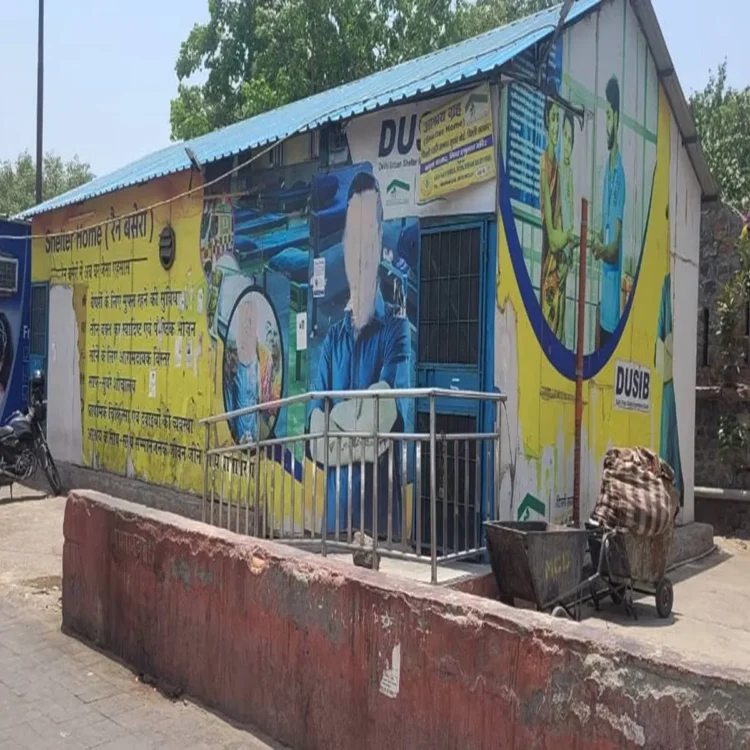
For many people living in government-run shelters, access to clean water and proper cooling systems remains uncertain despite official arrangements being in place. A visit to multiple shelter facilities across the capital revealed that while beds, portable cabins, air coolers, and drinking water systems have been installed, several of these amenities are either partially functional or poorly maintained.
Residents Raise Concerns Over Hygiene and Water Access
At the Sarai Kale Khan shelter managed by the Delhi Urban Shelter Improvement Board, residents pointed to unhygienic washrooms and irregular water supply as major issues. Eighteen-year-old Nazmi, who lives at the facility, said many taps inside the washrooms are either damaged or dry for most of the day.
According to residents, water becomes available only during morning hours, forcing families to store enough for daily use. Buckets and containers can be seen lined up near exposed water pipes, where residents collect water whenever supply resumes.
People staying at the shelter said the lack of proper sanitation becomes even more difficult during extreme heat conditions, when regular access to water is essential for hygiene and health.
Faulty Coolers Add to Summer Hardship
The cooling arrangements inside several portable cabins have also become a cause of concern. Although each cabin has been fitted with desert coolers for summer relief, many residents claim the units are not functioning properly.
Bappa, a daily wage labourer who has stayed at the shelter for several years, said one damaged cooler has remained unrepaired for a long time. He added that the machine now sits unused inside the shelter despite repeated complaints.
Another resident, Shilpa, who lives there with her young children, alleged that water dispensers placed inside cabins are rarely refilled. Families staying in larger cabins said the number of working coolers is insufficient for the number of occupants sharing the space.
Residents estimated that some cabins house more than 60 people, making it difficult to manage indoor heat when only one or two cooling units are operational.
ORS Distribution Offers Some Relief
Despite infrastructure-related complaints, some recent measures introduced at the shelters have provided limited relief to residents dealing with rising temperatures. Caretakers and NGO workers associated with the shelters confirmed that Oral Rehydration Solution (ORS) packets are being distributed regularly to help prevent dehydration during heatwave conditions.
Akhilesh, who works with an NGO operating the Sarai Kale Khan facility, said shelter staff are ensuring a continuous supply of ORS packets for residents throughout the summer season.
Similar conditions were observed at another shelter near Yamuna Bazaar, where workers and labourers queued to collect ORS packets from cabin caretakers. However, residents there also complained about malfunctioning coolers. One resident said a newly installed unit stopped working within days of being delivered.
Survey Highlights Ongoing Infrastructure Problems
A recent assessment conducted by the Centre for Holistic Development, a Delhi-based social organisation, examined shelter homes located in areas including Sarai Kale Khan, Jama Masjid, Bangla Sahib, and Mori Gate. The survey reportedly found that nearly half of the cooling systems, including fans and coolers, were either damaged or non-functional.
Officials from DUSIB, however, disputed the findings and stated that the situation inside shelters is not as severe as suggested in the report.
Even so, residents and social workers say many of these issues have existed for years without lasting improvements. As temperatures continue to rise in the national capital, concerns remain over whether the shelters are adequately prepared to protect vulnerable communities from extreme summer conditions.