
Heatwave – Delhi Hospitals Strengthen Preparedness as Extreme Temperatures Persist
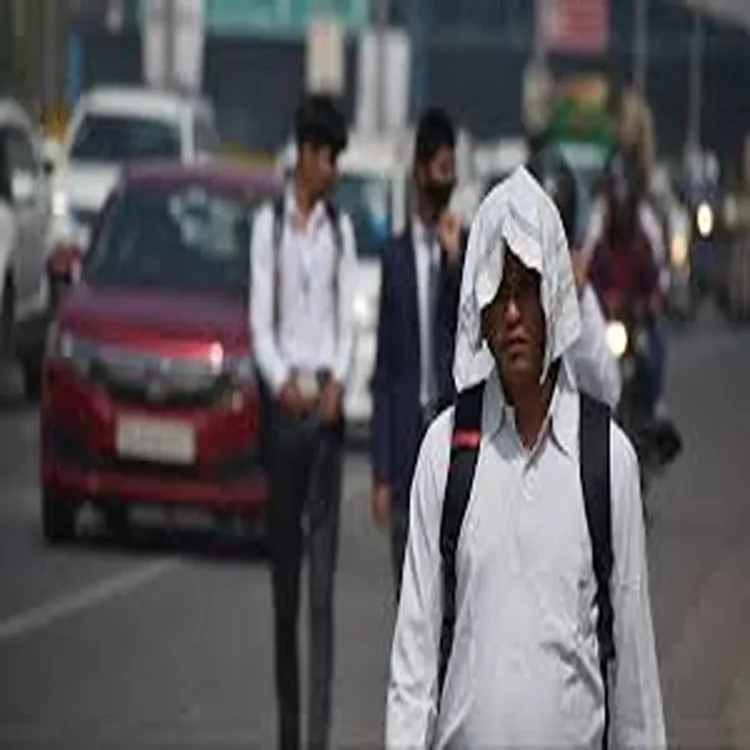
Heatwave – As intense summer conditions continue to affect Delhi, public hospitals across the city have been directed to remain fully prepared for the treatment of people suffering from heat-related illnesses. Authorities have emphasized the need for dedicated medical facilities, emergency response systems, and patient care arrangements as temperatures remain high and heatwave warnings are issued repeatedly.
Questions Raised Over Awareness Among Frontline Staff
Despite official preparations, interactions at Lok Nayak Jai Prakash (LNJP) Hospital revealed that information about heatstroke treatment facilities may not be widely understood among some frontline personnel. Visitors seeking guidance on the location of a dedicated cooling room reportedly faced difficulties obtaining clear directions.
When inquiries were made, security staff appeared uncertain about the existence of a specialized heatstroke treatment area and referred visitors to the hospital helpdesk. Staff members at the helpdesk also struggled to immediately identify the designated facility and instead directed patients toward the hospital’s “green area.”
Treatment Facilities Not Clearly Identified
The green area functions as a section of the emergency department intended for patients with less severe medical conditions. It is separate from the red area, which is reserved for critical emergencies requiring urgent intervention.
However, the green area is not specifically designed as a cooling room or an exclusive treatment unit for heat-related illnesses. The confusion surrounding its role suggested that some personnel responsible for assisting patients and their families may not have received adequate information regarding the hospital’s heatwave response arrangements.
Need for Better Communication at Ground Level
The interactions highlighted a potential communication gap between administrative planning and frontline implementation. While the hospital has reportedly established systems to manage heat-related cases, visitors found it challenging to obtain basic information about treatment pathways and designated facilities.
Healthcare experts often stress that clear guidance from frontline staff is crucial during periods of extreme weather, particularly when vulnerable individuals require urgent medical attention. Accurate information can help reduce delays and ensure patients receive timely care.
Dedicated Heat Illness Ward Announced
The issue comes shortly after Delhi Health Minister Dr. Pankaj Kumar Singh announced the creation of a dedicated heat illness ward at LNJP Hospital on May 26. According to the government’s statement, the facility was established specifically to handle patients affected by severe heat conditions.
Officials said the ward includes specialized treatment arrangements, dedicated patient beds, emergency medical support, intensive care backup, and recovery facilities for those requiring observation after initial treatment. The initiative was introduced as part of broader efforts to strengthen the city’s healthcare response during the summer season.
Government Introduces Cooling Zones for Public Relief
Alongside hospital preparedness measures, the Delhi government has also launched eco-friendly cooling zones in Bawana and Alipur to help residents cope with rising temperatures.
Developed under the Heat Action Plan, these structures use natural cooling techniques, including bamboo-based designs, vetiver grass screens, and misting systems that help reduce surrounding temperatures. The aim is to provide immediate relief in areas where outdoor workers and economically vulnerable groups are most exposed to extreme heat.
The cooling zones offer essential facilities such as chilled drinking water, oral rehydration solution (ORS) packets, seating arrangements, and shaded resting spaces. Labourers, street vendors, delivery workers, and other individuals who spend long hours outdoors are expected to benefit from these services during peak summer conditions.
As Delhi continues to face recurring heatwave spells, both healthcare preparedness and public cooling infrastructure remain key components of the government’s strategy to reduce heat-related health risks and protect vulnerable residents.