
HealthcareAI – Andhra Pradesh Expands AI-Based Eye Screening for Diabetes Patients
HealthcareAI – The Andhra Pradesh government has introduced a pilot healthcare programme aimed at improving the early detection of diabetic retinopathy, a vision-threatening condition commonly associated with diabetes. The initiative is being implemented in select government hospitals and is expected to strengthen preventive eye care services through the use of Artificial Intelligence technology.
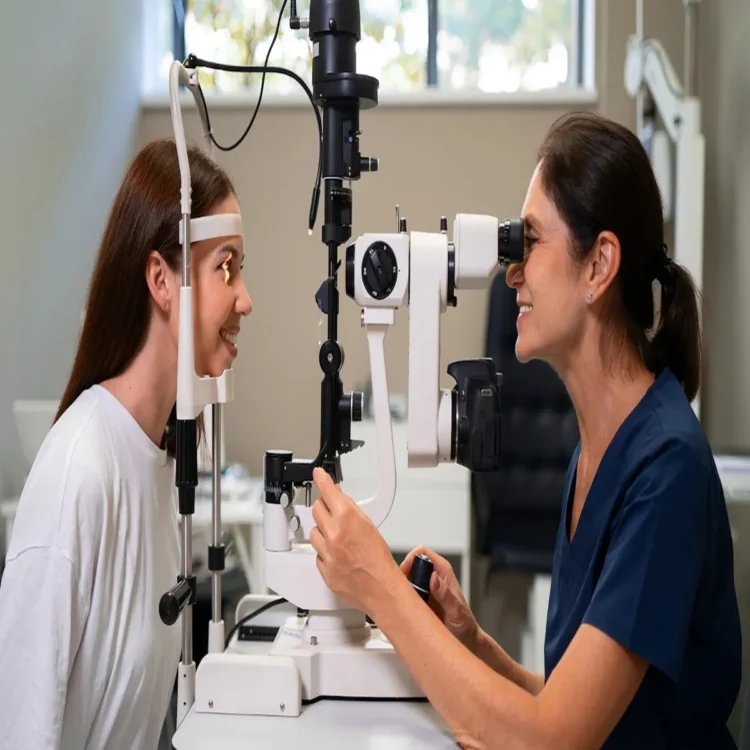
Pilot Project Begins in Three Major Hospitals
According to Health Minister Y. Satya Kumar Yadav, the programme has been launched at government medical facilities in Guntur, Kurnool, and Visakhapatnam. The project seeks to assist healthcare professionals in identifying retinal complications among diabetic patients at an earlier stage, allowing timely medical intervention before permanent damage occurs.
Under the new system, retinal images captured through fundus cameras will be processed using AI-powered software. The technology is designed to evaluate the condition of the retina, determine the extent of disease progression, and identify patients who require consultation with eye specialists.
Technology to Support Medical Screening
Until now, diagnosing diabetic retinopathy largely depended on the availability of ophthalmologists. However, the introduction of AI-assisted screening is expected to reduce pressure on specialist services and improve access to care, particularly in high-volume government hospitals.
With appropriate training, optometrists can use the technology to examine retinal images and quickly identify individuals who may need urgent treatment. Health officials believe this approach can help bridge the gap caused by the limited availability of eye care specialists in several healthcare institutions.
Growing Concern Among Diabetes Patients
Medical experts estimate that diabetic retinopathy affects nearly one in five people living with diabetes. If left untreated, the condition can result in blurred vision, damage to retinal blood vessels, and in severe cases, permanent vision loss.
At the Government General Hospital in Guntur, around 3,000 diabetes patients seek treatment every month. Hospital data indicates that approximately 15 to 20 percent of these patients show symptoms linked to diabetic retinopathy, highlighting the need for regular screening and early diagnosis.
Expansion Schedule and Expected Reach
The pilot phase officially commenced at Guntur Government General Hospital on Wednesday. Authorities have scheduled the programme’s expansion to Kurnool Regional Hospital on June 13, followed by the Regional Eye Hospital in Visakhapatnam on June 16.
During the initial three-month trial period, officials expect nearly 9,000 diabetic patients to undergo retinal screening across the three participating centres. The data gathered during this phase will help assess the effectiveness and practical benefits of AI-assisted diagnosis in public healthcare settings.
Built on National Healthcare Initiatives
The state initiative aligns with broader efforts undertaken by leading medical institutions in India. The AI solution being used, known as Madhunetra, was developed through collaboration between AIIMS Delhi, AIIMS Rishikesh, and the Wadhwani Foundation.
The technology has been trained using medical information collected from approximately 13,000 patients. Following successful implementation in several regions, the system has already been introduced in 45 medical colleges across multiple states, including Rajasthan, Assam, Chhattisgarh, Delhi, Haryana, Madhya Pradesh, Meghalaya, Odisha, Uttar Pradesh, Telangana, Uttarakhand, and Bihar.
Future Plans Based on Pilot Results
Health department officials stated that the pilot programme will provide valuable insights into the role of Artificial Intelligence in detecting diabetic eye diseases at an early stage. The findings will help determine whether the technology can be adopted on a wider scale across government hospitals in the state.
If the project delivers positive outcomes, authorities plan to extend AI-enabled screening services to additional healthcare facilities. The broader objective is to ensure that diabetic patients receive timely diagnosis and preventive treatment, reducing the risk of irreversible vision impairment.