
Groundwater – NGT Suspends Sports Activities at Three Major Cricket Stadiums
Groundwater – The National Green Tribunal (NGT) has temporarily halted all sports activities at three prominent cricket stadiums located in Raipur, Jaipur, and Mumbai after authorities failed to submit details regarding their groundwater usage despite repeated notices. The interim decision reflects growing concern over responsible water management at large sporting venues amid increasing pressure on freshwater resources across the country.
Tribunal Issues Interim Restriction
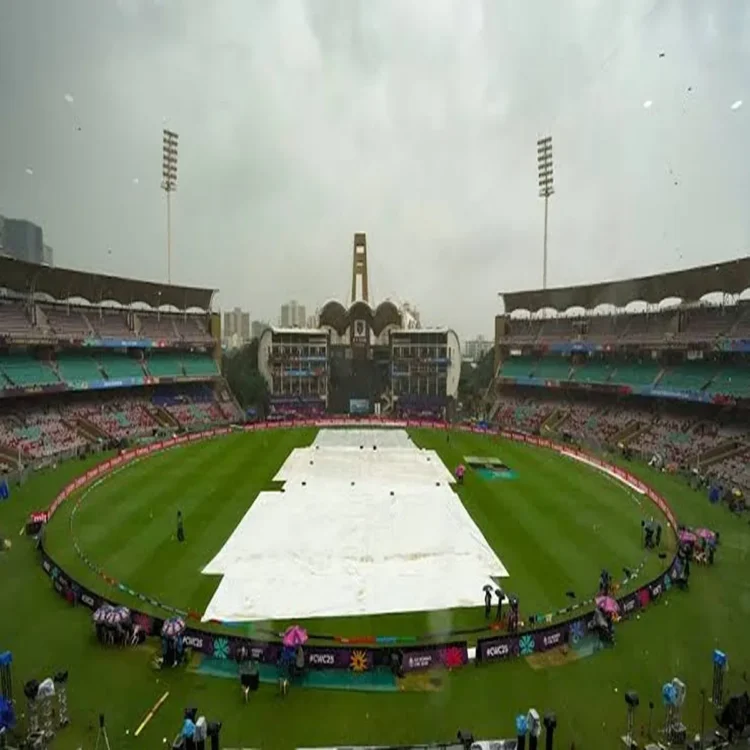
A bench led by NGT Chairperson Justice Prakash Shrivastava, along with expert member Afroz Ahmad, directed that no sporting events should be conducted at Shaheed Veer Narayan Singh International Stadium in Raipur, Sawai Mansingh Stadium in Jaipur, and D Y Patil Stadium in Mumbai without prior approval from the tribunal. The restriction will remain in force until the next hearing in the case.
According to the tribunal’s interim order dated July 2, the concerned stadium authorities did not respond to multiple communications issued by both the Central Ground Water Authority (CGWA) and the NGT seeking information related to groundwater extraction and water management practices.
Focus on Freshwater Use for Cricket Grounds
The case before the tribunal examines whether stadiums have been relying on groundwater to maintain cricket outfields instead of using treated water produced by sewage treatment plants (STPs). It also addresses concerns over the absence of effective rainwater harvesting systems designed to recharge groundwater and improve long-term water conservation.
The tribunal has been reviewing whether sports facilities are following sustainable water-use practices, particularly in regions where freshwater availability remains under pressure. Authorities are also examining compliance with environmental norms intended to reduce unnecessary dependence on groundwater resources.
Stadiums Failed to Respond Despite Repeated Notices
During the hearing, legal counsel representing the Central Ground Water Authority informed the tribunal that the three stadiums had been served notices several times but had not submitted any formal response. The tribunal expressed concern over what it described as a continued failure by the stadium managements to cooperate with the proceedings.
In its observations, the bench noted that water scarcity has become a significant challenge in many parts of India and expected sports facilities to respond responsibly by providing the required information and adopting corrective measures wherever necessary. The order stated that despite repeated opportunities, the concerned stadiums neither replied to the tribunal nor addressed the issues raised by the groundwater authority.
Considering these circumstances, the tribunal concluded that an interim restriction on sporting activities was necessary until the matter is examined further.
Wider Environmental Compliance Under Review
The proceedings are not limited to the three stadiums currently facing restrictions. Earlier in April, the National Green Tribunal had also issued notices to six additional cricket stadiums across the country as part of its broader examination of groundwater use and environmental compliance at major sporting venues.
The ongoing case highlights increasing regulatory attention on sustainable infrastructure practices, particularly in facilities that require large quantities of water for maintenance throughout the year. Environmental authorities are encouraging the adoption of treated wastewater, efficient irrigation methods, and rainwater harvesting systems to reduce dependence on freshwater sources.
Next Hearing Scheduled
The tribunal has listed the matter for further consideration on August 17. Until then, sports activities at the three affected stadiums will remain suspended unless specific permission is granted by the National Green Tribunal. The outcome of the next hearing could have wider implications for environmental compliance standards at cricket stadiums and other large sports venues across the country.