
Governance – Modi Calls for Long-Term Reforms Ahead of India@100 Vision
Governance – Prime Minister Narendra Modi on Thursday urged Union ministers to shape policies with a long-term national vision, saying reform measures introduced today should improve the quality of life for citizens by the time India marks 100 years of Independence in 2047.
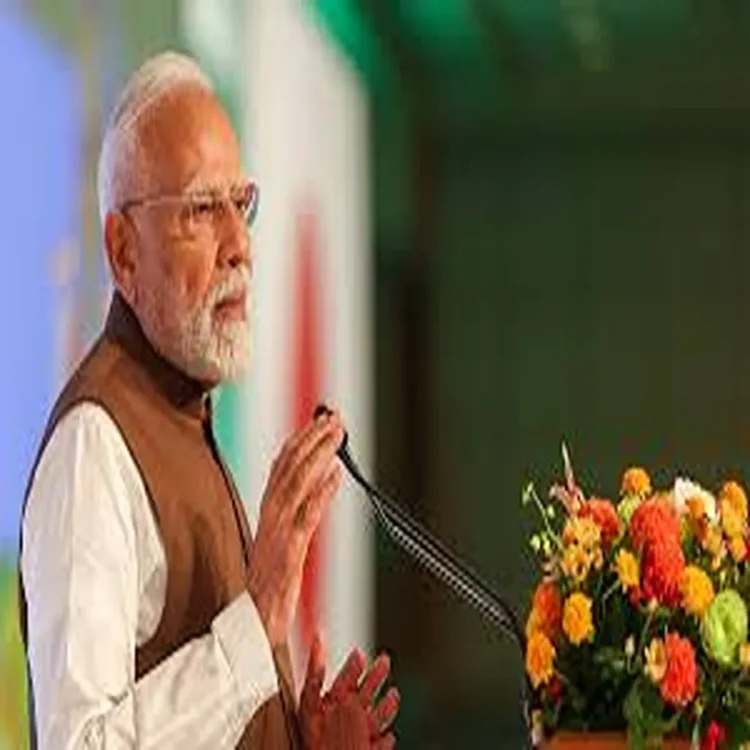
The Prime Minister made these remarks during the first Council of Ministers meeting held this year, where he stressed the importance of future-focused governance and sustained policy execution. According to officials familiar with the discussions, Modi encouraged ministers to concentrate on next-generation reforms that can support balanced and inclusive growth across sectors over the coming decades.
Focus on Long-Term National Development
During the meeting, the Prime Minister outlined a broad roadmap for transforming India into a developed nation by 2047. He emphasized that every ministry should work with a clear sense of direction and ensure that reforms directly contribute to improving daily life for ordinary citizens.
Sources present at the meeting said Modi repeatedly highlighted the need for “ease of living” and asked ministers to make governance more citizen-friendly. He underlined that government systems should simplify processes rather than create unnecessary hurdles for the public.
The Prime Minister also advised ministers to ensure that welfare programmes reach intended beneficiaries efficiently and without delays. He said governance should remain people-centric, with faster implementation and better delivery mechanisms across departments.
Ministers Asked to Prioritise Governance Delivery
Officials said Modi encouraged ministers to shift their attention toward upcoming challenges and future achievements instead of relying solely on past accomplishments. While referring to the government’s tenure since 2014, he reportedly noted that the focus in 2026 should remain firmly on the next phase of national progress.
He also instructed ministries to reduce pending work and improve administrative efficiency. According to sources, the Prime Minister stressed that delays in government processes weaken public trust and slow development efforts.
The meeting included presentations from several senior officials and policymakers on ongoing reforms and ministry-level performance. Cabinet Secretary T V Somanathan briefed ministers on wider governance reforms and citizen-oriented initiatives being implemented across departments.
Foreign Visits and Ministry Reviews Discussed
External Affairs Minister S Jaishankar presented details of the Prime Minister’s recent foreign engagements, which included visits to the UAE, the Netherlands, Sweden, Norway and Italy. The presentation reportedly covered diplomatic outcomes, strategic partnerships and economic cooperation discussions held during the tour.
Nine secretaries from different ministries and departments also delivered presentations during the session. Some officials reviewed the progress made during the past two years of the Modi government’s third term, while others highlighted future policy priorities and administrative targets.
NITI Aayog member Rajiv Gauba also addressed the gathering and shared insights related to development planning and institutional reforms.
The meeting was attended by Cabinet ministers, Ministers of State with independent charge and other Ministers of State. Government officials described the gathering as an important coordination exercise aimed at aligning ministries with the administration’s long-term national agenda.
Political Context and Reform Agenda
The Council of Ministers meeting took place shortly after the BJP’s strong performance in the recent Assembly elections in West Bengal and Assam, along with the return of an NDA government in Puducherry.
Over the years, the Prime Minister has regularly convened meetings with the full Council of Ministers to review governance priorities, assess policy implementation and discuss national development strategies.
In previous statements, Modi had referred to his administration’s policy approach as a “Reform Express,” claiming that structural changes introduced by the government have improved systems and expanded benefits for citizens across the country.