
FuelPrices – Fresh Fuel Rate Increase Pushes Transport Costs Higher Nationwide
FuelPrices – Fuel prices across major Indian cities climbed again on Monday, intensifying concerns among consumers and transport operators already struggling with rising daily expenses. The latest increase marks the fourth revision in under two weeks, as international crude oil fluctuations and geopolitical instability in West Asia continue to influence domestic fuel rates.
West Bengal minister Dilip Ghosh commented on the development, stating that the government had little choice but to allow a limited increase in prices due to circumstances beyond domestic control. He noted that fuel supply and global pricing pressures are largely shaped by international market conditions, adding that the Centre had attempted to shield citizens from larger hikes over the past few years.
Minister Defends Limited Price Increase
Speaking to reporters, Ghosh said several countries have faced severe fuel shortages in recent years, while India managed to maintain supply stability. He credited Prime Minister Narendra Modi for earlier relief measures and claimed the current adjustment was comparatively moderate considering the global energy situation.
According to him, the government was compelled to move in line with international pricing trends because crude oil procurement and fuel supply chains are heavily dependent on external factors. He maintained that the latest rise represented only a minimum adjustment despite growing pressure in the global energy market.
Petrol Prices Cross Rs 100 in Delhi
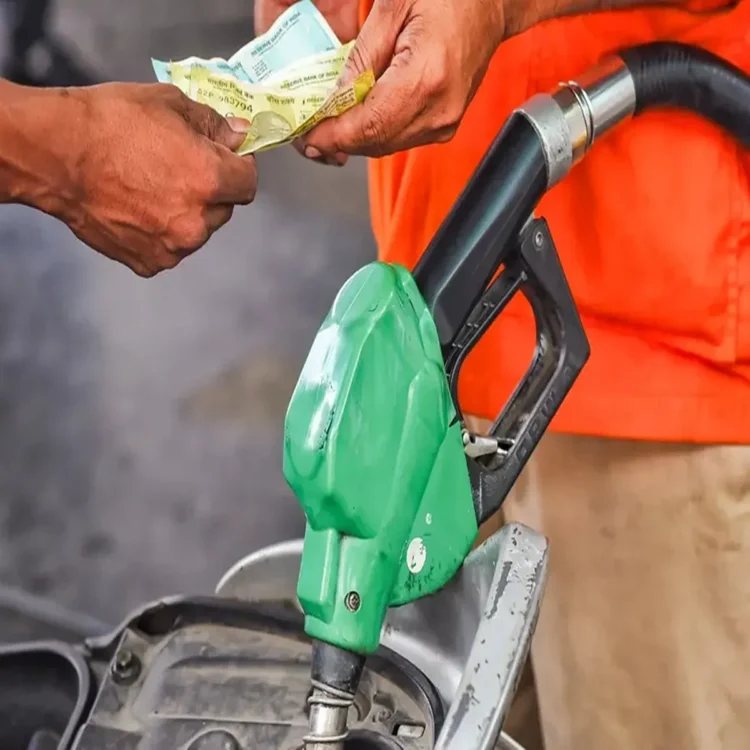
The revised rates pushed petrol prices in Delhi beyond the Rs 100 mark once again. Petrol became costlier by Rs 2.61 per litre and is now being sold at Rs 102.12 per litre. Diesel rates in the national capital also rose sharply, increasing by Rs 2.71 to reach Rs 95.20 per litre.
The fresh hike has added to concerns among private vehicle owners, commercial drivers, and logistics companies, many of whom are already dealing with higher operational expenses. Public transport operators are also expected to face additional pressure as fuel costs continue to rise steadily.
Major Metro Cities Witness Similar Increase
Other metropolitan cities recorded comparable increases on Monday. In Kolkata, petrol prices rose by Rs 2.87, taking the retail rate to Rs 113.51 per litre, while diesel climbed to Rs 99.82 after an increase of Rs 2.80.
Mumbai also witnessed another jump in rates, with petrol now priced at Rs 111.21 per litre following an increase of Rs 2.72. Diesel prices in the city rose by Rs 2.81, reaching Rs 97.83 per litre.
In Chennai, petrol rates increased by Rs 2.46 to Rs 107.77 per litre. Diesel prices there moved up by Rs 2.57 and are now retailing at Rs 99.55 per litre.
Series of Consecutive Fuel Revisions
The latest revision follows multiple hikes introduced earlier this month. On May 15, petrol and diesel prices were both increased by Rs 3 per litre. Another revision was implemented on May 19, when fuel rates went up by 90 paise per litre.
A third increase came into effect on May 23, with petrol prices rising by 87 paise and diesel by 91 paise per litre. Monday’s increase therefore became the fourth upward revision within less than two weeks, reflecting continued volatility in global crude oil markets.
Industry analysts believe that geopolitical tensions and uncertainty surrounding international oil supply routes have contributed significantly to the ongoing price fluctuations. The impact is now being felt across transport, logistics, and essential goods distribution sectors.
CNG Prices Also Continue Upward Trend
Apart from petrol and diesel, Compressed Natural Gas prices have also moved higher. Earlier this week, CNG rates in Delhi were raised by Rs 1 per kilogram, marking the third increase within ten days.
Following the latest revision, CNG in the national capital now costs Rs 81.09 per kg. The repeated increases are expected to affect auto-rickshaw drivers, cab operators, and commercial transport services that rely heavily on CNG for daily operations.
With fuel costs continuing to rise across categories, households and businesses may experience further pressure on transportation and delivery expenses in the coming weeks.