
FuelPrice – CNG Rate Increase Deepens Pressure on Daily Commuters
FuelPrice – Rising fuel prices have once again intensified the financial strain on commuters and transport operators after another increase in compressed natural gas rates in Delhi.
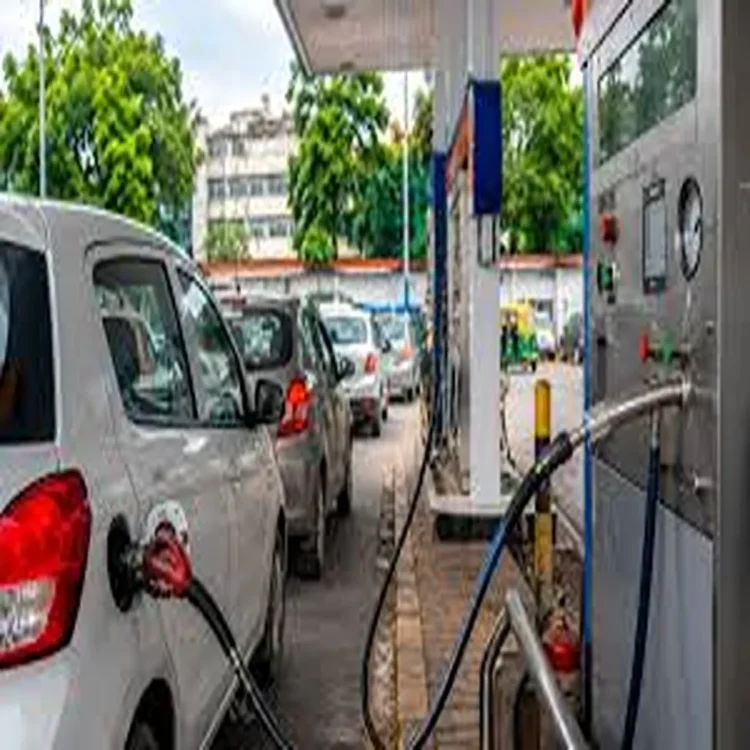
The Congress party on Tuesday criticised Prime Minister Narendra Modi over the latest rise in CNG prices, accusing the central government of failing to control inflation and placing additional pressure on ordinary citizens. The opposition party claimed that repeated fuel price revisions were hurting household budgets and increasing transportation expenses across the country.
Congress leaders pointed to the latest Rs 2 per kg increase in CNG prices in Delhi and alleged that the government was ignoring the economic difficulties faced by middle-class families and daily wage earners. The party also referred to the Prime Minister as “Inflation Man,” continuing its recent attacks over the steady rise in fuel costs.
Multiple Increases Recorded Within Two Weeks
According to the party, CNG prices have been revised upward four times within a span of less than two weeks. The opposition highlighted that rates were increased by Rs 2 each on May 15 and May 26, while additional hikes of Re 1 were implemented on May 18 and May 23.
Following the latest revision, the retail price of CNG in Delhi has reached Rs 83.09 per kg. The increase came into effect from Tuesday and is expected to impact thousands of vehicle owners who depend on CNG as a comparatively economical fuel option.
The repeated revisions have also raised concerns among public transport operators, especially in Delhi where a large number of buses, taxis, and auto-rickshaws run on CNG. Industry observers believe the rising operational cost may eventually affect passenger fares and transport-related services.
Petrol and Diesel Prices Also Rise
The increase in CNG prices comes amid a broader rise in fuel rates across the country. Petrol and diesel prices were revised upward again on Monday, marking the fourth increase in less than two weeks.
Officials and market analysts have linked the hikes to instability in global crude oil and natural gas markets. Ongoing geopolitical tensions in West Asia and concerns regarding international energy supplies have contributed to volatility in fuel prices worldwide.
India’s fuel pricing system is influenced by several factors, including global crude oil rates, exchange rate movements, import costs, and taxes imposed by both the Centre and state governments. As international energy prices remain elevated, domestic consumers continue to feel the effect through frequent revisions in retail fuel rates.
Impact on Households and Transport Sector
Economists believe that sustained increases in fuel prices could lead to higher transportation and logistics expenses in the coming weeks. Since road transport plays a major role in the movement of goods across India, rising fuel costs may eventually contribute to inflation in essential commodities and consumer products.
For urban commuters, the immediate impact is likely to be visible in higher daily travel expenses. Commercial vehicle operators, cab aggregators, and delivery services may also face mounting financial pressure if fuel rates continue to climb.
The opposition has argued that repeated increases are adding to the burden already faced by families dealing with rising living costs. Congress leaders claimed that the government should introduce stronger relief measures to shield consumers from global price shocks.
Centre Defends Tax Reduction Measures
Meanwhile, the central government maintained that it has already taken significant steps to reduce the pressure on consumers. Sujata Sharma, Joint Secretary in the Petroleum Ministry, stated that the government had sacrificed nearly Rs 14,000 crore in revenue after lowering excise duty on petrol and diesel earlier this year.
The Centre had reduced excise duty by Rs 10 per litre on both petrol and diesel on March 27 following a sharp increase in international crude oil prices linked to tensions in West Asia.
Government officials maintain that despite global energy instability, efforts are being made to balance consumer relief with fiscal management. However, with fuel prices continuing to rise, concerns over inflation and household spending are expected to remain a major political and economic issue.