
Environment – Draft rules aim to tackle tar ball pollution along India’s coastlines
Environment – The Union Ministry of Environment, Forest and Climate Change has introduced a new set of draft guidelines focused on addressing the growing issue of tar ball accumulation along India’s shores. These rules are designed to strengthen coastal protection measures and improve response systems related to oil spill residues in marine ecosystems.
Understanding the growing concern around tar balls
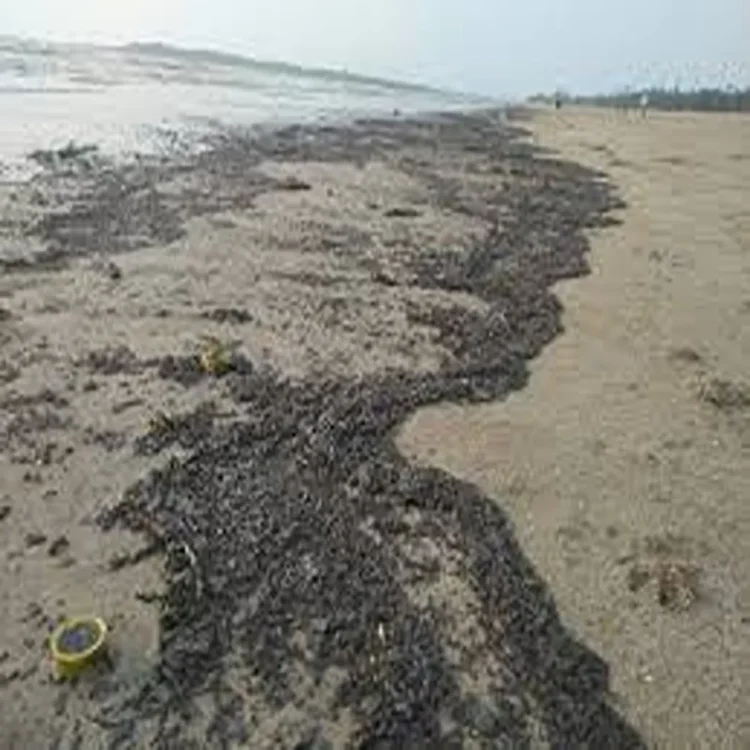
Tar balls are hardened lumps of oil formed when crude oil weathers in the ocean after spills or natural seepage. These sticky deposits often wash ashore, particularly along India’s western coastline stretching from Gujarat to Goa. Their presence tends to rise during the months between April and September, when ocean currents and weather conditions facilitate their movement toward beaches.
Marine experts have long warned that these residues pose a serious threat to coastal biodiversity. Birds, fish, and sea turtles are especially vulnerable, as they can accidentally consume tar balls, mistaking them for food. In addition to harming wildlife, these deposits also affect tourism and local livelihoods dependent on clean beaches.
Clear division of responsibilities across agencies
The proposed Tar Balls Management Rules, 2026 seek to establish a structured approach by assigning specific roles to multiple authorities. Several central ministries, including those responsible for defence, shipping, and petroleum operations, have been brought under the framework due to their involvement in offshore and maritime activities.
At the same time, pollution control bodies and local administrations are expected to play a key role in implementing on-ground measures. The rules highlight the need for coordination between national agencies and state governments to ensure timely action when tar balls are detected.
State and district authorities to lead response efforts
Under the draft proposal, state governments will be required to treat tar ball pollution incidents as environmental emergencies. They are expected to take action under existing disaster management laws, ensuring proper systems for collection, storage, and disposal of these oil residues.
District administrations along coastal regions will have a more hands-on role. Their responsibilities will include gathering tar balls from shorelines, managing their safe handling, and arranging transportation for further treatment or disposal. Additionally, district disaster management plans must incorporate strategies specifically addressing tar ball incidents.
Strengthening preparedness through crisis management groups
To improve readiness, the rules suggest the formation of State Level Crisis Management Groups. These teams will function under the broader National Oil Spill Disaster Contingency Plan, which is overseen by the Indian Coast Guard. The aim is to create a faster and more coordinated response mechanism during oil spill events.
Such groups are expected to bring together officials from various departments, ensuring that communication gaps are minimized during emergencies. This integrated approach could significantly reduce delays in responding to pollution incidents along the coastline.
Role of surveillance and advanced technology
The Indian Coast Guard will continue to serve as the primary agency for monitoring oil spills in offshore areas. Regular aerial and sea-based surveillance operations will be carried out within India’s Exclusive Economic Zone to detect early signs of spills.
The draft rules also encourage the use of modern technologies for better monitoring and response. Tools such as remotely operated vehicles and automated underwater systems may be deployed to track oil movement beneath the surface. These technologies can help identify potential threats before they reach the shore, allowing authorities to act proactively.
A step toward stronger coastal protection
The introduction of these draft rules reflects an effort to address a persistent environmental issue with a more organized and accountable system. By clearly defining roles and promoting the use of technology, the framework aims to reduce the long-term impact of oil-related pollution on India’s coastal ecosystems.
If implemented effectively, the proposed measures could enhance the country’s ability to safeguard marine life, protect coastal communities, and maintain cleaner shorelines.