
Environment – Delhi Launches Massive Native Tree Plantation Drive Across 77 Locations
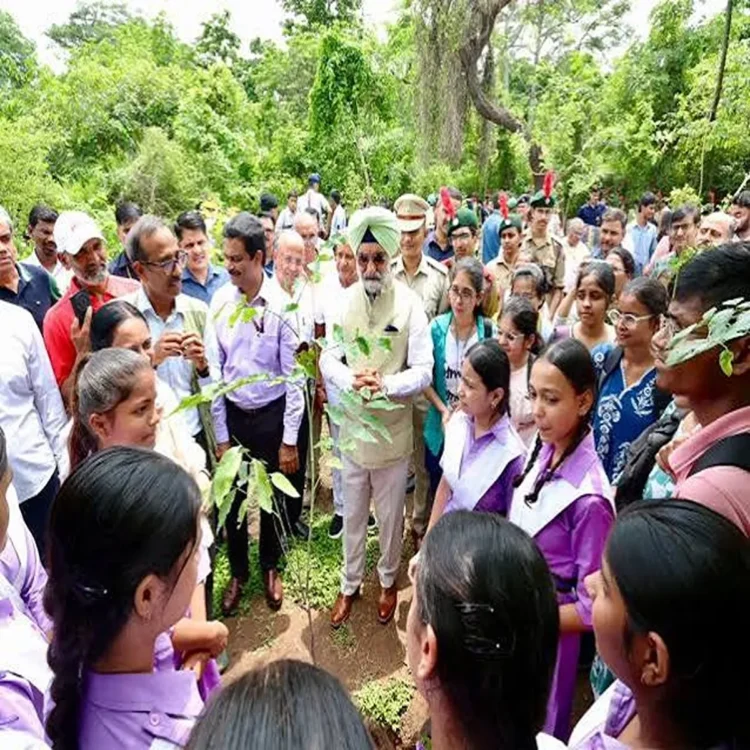
Environment – Lieutenant-Governor Taranjit Singh Sandhu on Friday joined the Delhi Development Authority’s large-scale plantation campaign that saw more than one lakh native saplings planted across 77 locations in the national capital. During the event, he instructed the DDA to appoint dedicated nodal officers to monitor the health and survival of the newly planted trees, stressing that long-term care is as important as the plantation itself.
Community Participation Marks the Plantation Campaign
The main event was held at Kamla Nehru Ridge, where Sandhu planted native tree species alongside students, Resident Welfare Association (RWA) members and local morning walkers. Around 200 people participated at the Ridge site, including students from St. Stephen’s College, Hindu College, Hansraj College, Maharishi Valmiki College, Mamta Public School in Vikaspuri and Government Girls Senior Secondary School in Shakti Nagar. Their involvement reflected the administration’s effort to encourage wider public participation in environmental conservation.
Focus on Youth-Led Environmental Conservation
Addressing those present, the Lieutenant-Governor said plantation drives should become a regular feature rather than occasional campaigns. He asked the DDA to expand the model to other Ridge areas across Delhi and ensure that young people remain at the centre of future environmental initiatives. According to him, involving students and youth in ecological restoration will help create a generation that actively contributes to protecting the city’s natural resources.
Sandhu also said the present generation has a responsibility to leave behind a greener and healthier Delhi. He urged the DDA to strengthen its long-term afforestation programme by encouraging sustained public participation instead of limiting efforts to single-day events.
Native Species Chosen for Ecological Benefits
The plantation at Kamla Nehru Ridge featured several indigenous species that are naturally suited to Delhi’s ecosystem. These included Dhok, Amaltas, Dhak and Gamhar, all of which are known for supporting biodiversity, strengthening wildlife habitats and improving the ecological stability of the Ridge over time.
Officials said native plants were selected because they are better adapted to local climatic conditions, require less maintenance and contribute more effectively to long-term environmental restoration than non-native varieties.
Simultaneous Plantation Across the Capital
While the flagship programme took place at Kamla Nehru Ridge, similar plantation activities were organised simultaneously at 76 additional locations throughout Delhi. These sites included Aravalli Biodiversity Park, Aastha Kunj Park, Sanjay Van, green belts in different neighbourhoods, district parks in Paschim Puri, Hauz Khas and Vasant Udyan, as well as Dilshad Garden Deer Park.
Across these locations, the DDA planted a broad range of indigenous trees and shrubs, including Peepal, Neem, Jamun, Arjun, Shisham, Calendar Tecoma, Bougainvillea, Murraya, Hamelia and Chandni. Authorities stated that the selection of species for each location followed approved plantation plans designed to match local ecological conditions and support sustainable landscape restoration.
Long-Term Goal of a Greener Delhi
The plantation campaign forms part of the DDA’s wider afforestation and ecological restoration strategy aimed at expanding Delhi’s green cover and reviving degraded landscapes. Officials believe that increasing the number of native trees across the city will help improve air quality, reduce dust pollution and moderate local temperatures while creating healthier urban ecosystems for residents in the years ahead.