
EnergyPrices – Fuel Rate Increase Adds Pressure on Household Budgets
EnergyPrices – Fuel costs across India moved higher once again on Monday, marking the fourth increase within a period of two weeks and adding fresh financial strain on consumers and transport-dependent sectors.
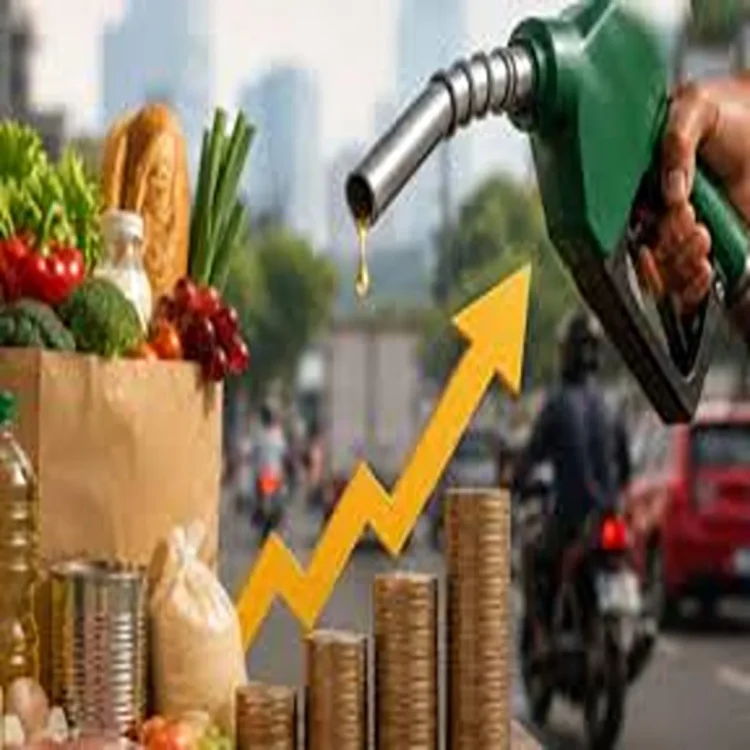
State-run oil marketing companies announced a significant rise in retail fuel rates, pushing petrol prices in Delhi up by Rs 2.61 per litre and diesel rates by Rs 2.71 per litre. Following the latest adjustment, petrol is now retailing at Rs 102.12 per litre, while diesel has reached Rs 95.20 per litre in the national capital.
Consecutive Revisions Continue Across Major Cities
The latest increase follows another revision that took effect on Saturday, when petrol prices climbed by Rs 0.87 per litre and diesel became costlier by Rs 0.91 per litre. Over the past two weeks, fuel prices have seen repeated upward movement, reflecting continued volatility in the global energy market.
Industry observers say the frequent changes are largely linked to rising international crude oil prices and geopolitical uncertainty in West Asia. These developments have affected supply chains and import expenses for several oil-importing nations, including India.
Impact Expected on Transport and Daily Expenses
The continuing rise in fuel prices is expected to influence transportation costs across multiple sectors. Public transport operators, logistics firms, delivery services and small businesses that rely heavily on road movement may witness an increase in operational expenses.
Economists believe the effect could eventually reach consumers through higher prices for goods and services. Urban households, especially those dependent on private vehicles or commercial transport, are likely to feel the impact more strongly in the coming weeks.
Daily commuters have also expressed concern over the repeated increases, as fuel expenses form a major portion of monthly spending for many working families.
Government Assures Stable Fuel Availability
Amid concerns surrounding the rapid price revisions, the Ministry of Petroleum and Natural Gas has stated that fuel supplies remain stable across the country. The ministry urged the public not to engage in panic buying or crowd fuel stations unnecessarily.
According to officials, oil marketing companies are continuously monitoring supply conditions and coordinating fuel distribution to prevent shortages at retail outlets. Authorities acknowledged that a few locations may experience temporary pressure due to increased demand, but maintained that adequate stocks are available nationwide.
The ministry also appealed for responsible consumption practices during the ongoing period of global market uncertainty, stressing that public cooperation would help maintain smooth supply operations.
Earlier Increase Had Already Raised Concerns
Before Monday’s revision, fuel prices had already recorded a sharp rise on May 16, when petrol and diesel became costlier by nearly Rs 3 per litre in several cities. That increase had triggered concerns among consumers and business groups over the broader economic impact of sustained fuel inflation.
Analysts warn that if international crude oil prices continue to remain elevated, domestic fuel costs could stay under pressure in the near term. Higher logistics expenses often affect the pricing of essential commodities, which may contribute to inflationary trends in food, transport and consumer goods.
Officials Cite Global Market Conditions
Government representatives have defended the price adjustments, saying the revisions are necessary to balance rising import costs and maintain uninterrupted fuel supplies. Officials noted that global crude markets remain unstable due to ongoing geopolitical tensions and supply-related concerns in major oil-producing regions.
Energy experts suggest that India’s dependence on imported crude oil makes domestic pricing vulnerable to international developments. Any prolonged disruption in global energy markets could continue to influence retail fuel rates in the country.
Despite the rising concerns among consumers, authorities have reiterated that maintaining supply stability remains a priority while monitoring global market conditions closely.